


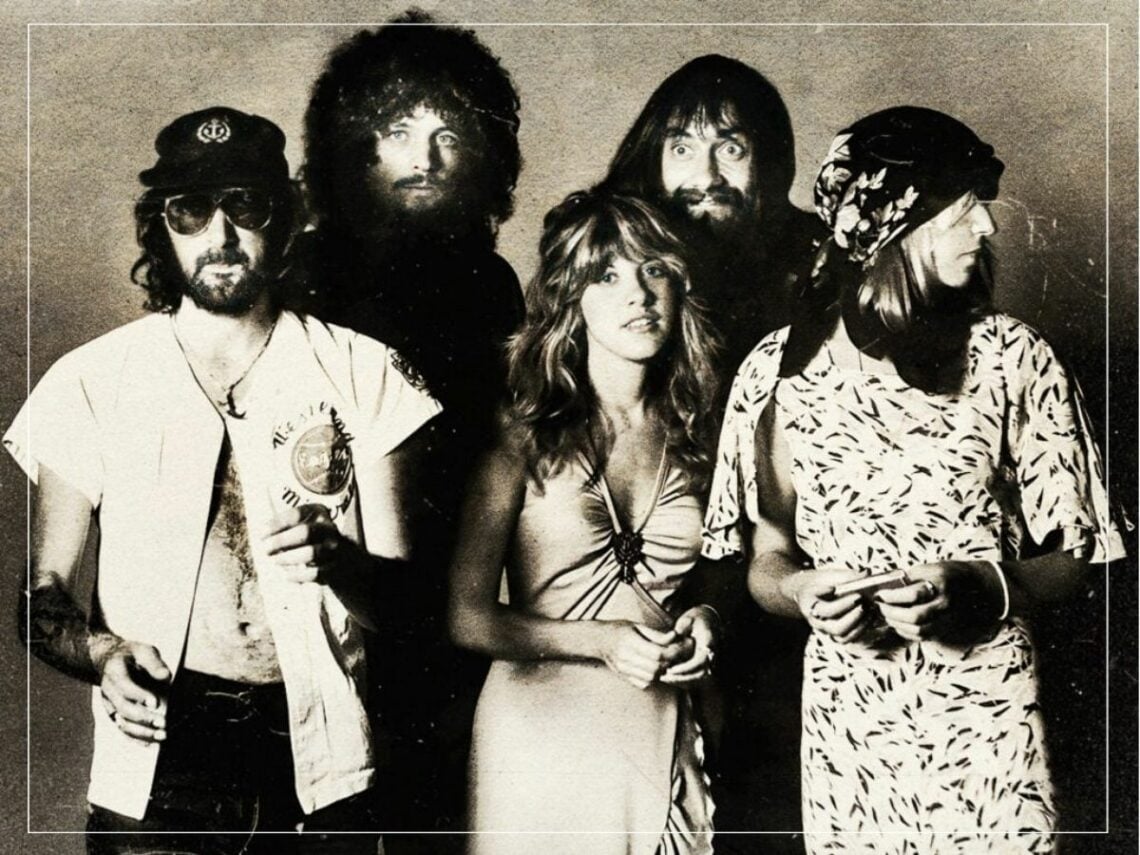
The Fleetwood Mac album Mick Fleetwood said went too far: “You blew it”

In the history of Fleetwood Mac, when people talk about carnage in their recording studios, it is almost always Rumours being discussed.
During the making of that 1977 album, the two couples that made up the foundation of the band, Stevie Nicks and Lindsey Buckingham, and John and Christine McVie, both split up. Processing that in real-time and in the music, naturally, was chaotic. But realistically, it has to be another album that would take the crowd as the band’s most difficult moment and the moment when Mick Fleetwood felt it had all gone too far.
While Rumours was undeniably a product of tumult and tension, that doesn’t mean the atmosphere burst the second that record was finished. Instead, the hardest era was yet to come. It’s one thing processing a breakup in the moment when things are fiery and, realistically, a bit thrilling. No doubt there were kicks to be found in the act of writing and singing these songs about, but also with, the person in the room that inspired them.
But it was when that initial blow-up calmed down and the band had to readapt to working together again that things proved somehow even harder.
Something just seemed to shift. After Rumours brought them major success, there was suddenly a lot of expectation on the band, as if they needed to go through even more emotional upheaval to keep their place at the top. Buckingham especially resented that, taking charge as the band made their follow-up record, Tusk. He said, “For me, being sort of the culprit behind that particular album, it was done in a way to undermine just sort of following the formula of doing Rumours 2 and Rumours 3.”
Perhaps that was still somewhat of an emotional response. As the band were all still somewhat reeling from the splits that inspired Rumours, the suggestion that they should make another similar album surely felt like that bruise was being pressed on. But while the others were more willing to just keep making whatever their creativity prompted them to make. Buckingham seemed to go a bit crazy.
“He was a maniac,” the band’s produced said, “The first day, I set the studio up as usual. Then he said, ‘Turn every knob 180 degrees from where it is now and see what happens.’ He’d tape microphones to the studio floor and get into a sort of push-up position to sing. Early on, he came in and he’d freaked out in the shower and cut off all his hair with nail scissors. He was stressed.” Suddenly, Buckingham was not only taking charge of the album but was forcing the band to experiment at every single turn with new sounds and influences.
For Mick Fleetwood, it was a moment when something cracked, especially when, after all the stress Buckingham put them through, the record was deemed a failure. “Mick would say to me, ‘Well, you went too far; you blew it’,” Buckingham recalled of the end of the whole album process.
Fleetwood’s views were shared. “The rest of the band had a cynical view towards the way Tusk was made and the reasons why I thought it was important to move into new territory,” Buckingham said, “It wasn’t just negativity. There was open hostility. Then I got a certain amount of flak because it didn’t sell as many as Rumours.”
However, hindsight changes everything. Now, Fleetwood often honours Tusk as one of his favourite Fleetwood Mac albums, now able to see its worth. “It’s gratifying now to hear Mick tell anyone who asks that it’s his favourite Fleetwood Mac album,” Buckingham said, knowing he got his victory in the end.
