


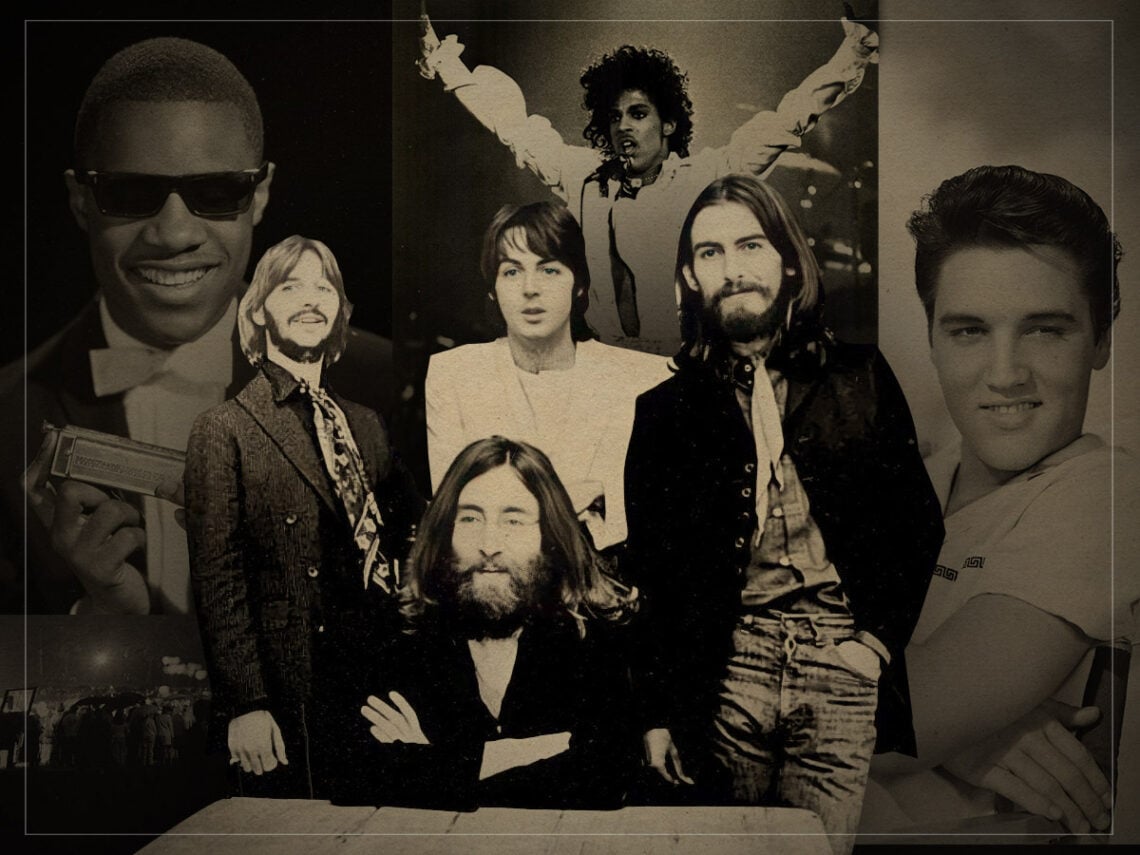
The five most important contracts ever signed in music history

We like to think that music is purely a creative art form, something free-flowing and beautiful, but that’s not the case.
Sure, the creation of music might be a relatively free-flowing process, as different bands and artists frequently enter some kind of flow state and come out on the other side with a work of art; however, getting it out in the world isn’t as straightforward a process. You need strict contracts in place, those that outline creative freedom, marketing campaigns, recording budget and tour conditions. Without these, the music that you love may well exist, but there would be no way for it to reach you.
Not only that, but these boring contracts and legal agreements are also important when it comes to an artist having permission to make the kind of music they want to make. It sounds silly, but there have been many musicians who needed to get out of contracts – or renegotiate existing ones – in order to make something that might have otherwise annoyed their record label. These controversial pieces usually end up being some of the most powerful.
I don’t care how boring you think the notion of an elongated contract might be, the fact remains, without them, the music we know and love today would be very different. These are five of the most important contracts ever signed in the music industry.
The most important contracts ever signed in music:
Brian Epstein and Ed Sullivan

In November 1963, Brian Epstein negotiated a contract with the chat show host Ed Sullivan for a three-show appearance from The Beatles. For Sullivan, a man who had countless talents on his show over the years, this more than likely just felt like a standard deal, but it amounted to so much more than that. This was the contract that secured the performance for what would kickstart the British Invasion.
The Beatles played The Ed Sullivan Show and triggered what would become one of the biggest musical movements in history. It didn’t just make the band famous, but it also provided a blueprint for other British bands trying to crack the States.
“There was no real future for a British band before The Beatles appeared on The Ed Sullivan Show in February 1964,” explained Andrew Loog Oldham, “That was the turning point, after which there was an avalanche. It totally transformed the possibilities, and as usual The Beatles were the frontrunners. In music, there is The Beatles and then there is everybody else.”
Stevie Wonder and Motown

Motown really did crack the code when it came to crafting brilliant music.
Originally called Hitsville USA – quite fitting, really – every artist on their roster seemed to churn out hit after hit after hit. But beneath all the success, there were a few issues bubbling away under the surface. One of the biggest was creative freedom and ownership. These chart-toppers were so popular because they were made to appeal to everyone – nothing too political, nothing too controversial. Still, some artists began to feel boxed in and were keen to push beyond those tight boundaries.
Stevie Wonder fought back against these rules, and in doing so, managed to negotiate a historic contract which wasn’t just huge in the world of Motown, but in music as a whole. The deal was for $37million and, more importantly, gave Wonder full artistic control over his work. It was this deal that allowed him to continue making groundbreaking music and, subsequently, create the album Songs in the Key of Life.
Prince and Warner Bros

Arguably, one of the biggest feuds in music between artist and business was that which Prince had with Warner Bros. The spat was very public as Prince wanted control over his masters and creative control over his career. Warner Bros didn’t want to deviate from the contract that they already had in place, which Prince felt was overly restrictive.
The feud led to Prince changing his name to an unpronounceable symbol (which most people just referred to as “The artist formerly known as Prince”). That original contract, no matter how unfair Prince thought it was, was very important to the rest of the music industry. Budding artists had never previously really considered the limitations that might be put in place within their record deals, and now, thanks to this subsequent feud, they were. It likely helped a lot of people not get taken advantage of moving forward.
Elvis Presley and RCA

This list wouldn’t be anything without reference to the contract that essentially started rock ‘n’ roll. You have to keep in mind that, before Elvis Presley, people weren’t quite aware just how big a musician could become. Music was important, sure, but we were yet to have what people would these days describe as a “rock star”.
The contract that Elvis signed with RCA changed all of that. $35,000 was all it took, which sounds like a tiny amount today but was a record-breaking sum at the time. This was the amount needed by RCA Records to purchase Elvis’s contract from Sun Records. The sale led to the creation of Elvis’s debut album, which became a global bestseller, propelled him to fame around the world, and also showed people what level of fame a rock star could actually achieve.
The Beatles Agreement
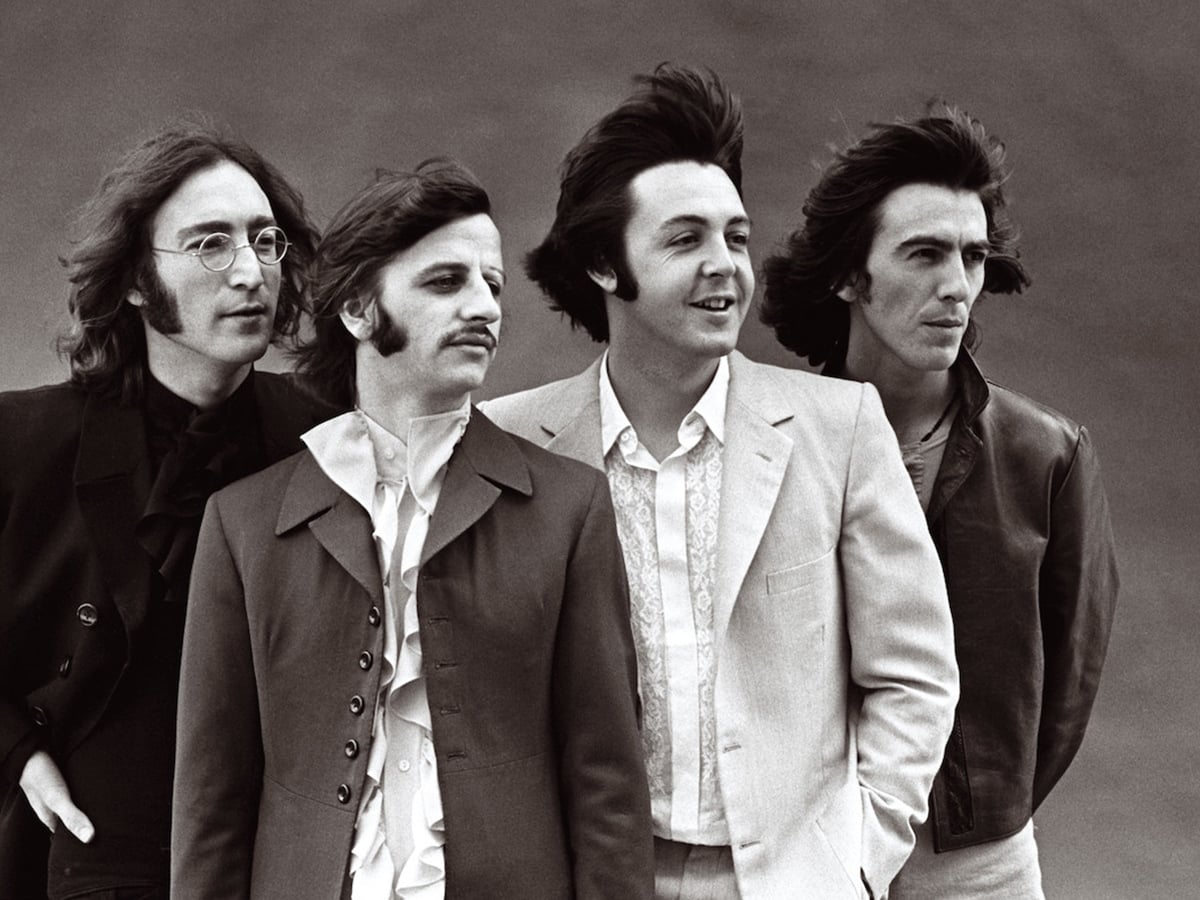
Finally, the most notorious band breakup of all time was surprisingly done quite amicably. When the Beatles parted ways, it was huge news in the world of music, but news that people were somewhat expecting. The band had been drifting for some time following creative differences, and as a result, a split was evidently coming. However, it begs the question: how do you break up the biggest band in the world? Well, it turns out, with a legally binding contract.
The contract, which aided the split, is now commonly referred to as “The Beatles Agreement”, was a landmark contract in music. It was put in place to dissolve the legal partnership within the band and allow each member to become their own individual artist.
This contract was a milestone because not only did it bring the Beatles to an end, but it also launched the solo careers of all of them.
