


The five greatest movies ever made out of spite

While it’s nice to think that films are fuelled by creativity, curiosity and a love for humanity and the form, sometimes there are more sinister motivations for getting a film made.
Often it’s money, which can cause people to make stupid or outright hurtful decisions; other times, ambition and a drive for success, which aren’t necessarily negative, can also lead to some murky waters. However, occasionally, a more complex emotion rears its sneaky head as the driving force behind a production.
The movie industry is mired in controversies of rivalries, gossip, drama and fallouts. It’s an art form filled with big emotions and bigger personalities, which can cause great productions to fall into obscurity or at least disaster. But sometimes, those big personalities and negative feelings can actually make for great strides, and so it’s time to discuss those top-tier films driven by spite.
Whether it was due to a push to keep a film from falling into different hands, or just sheer disdain for the audience, these five great (well, three great and two questionable) films had at least a simmering element of spite driving them from the get-go.
The five greatest movies fueled by spite:
‘Joker: Folie à Deux’ (Todd Phillips, 2024)
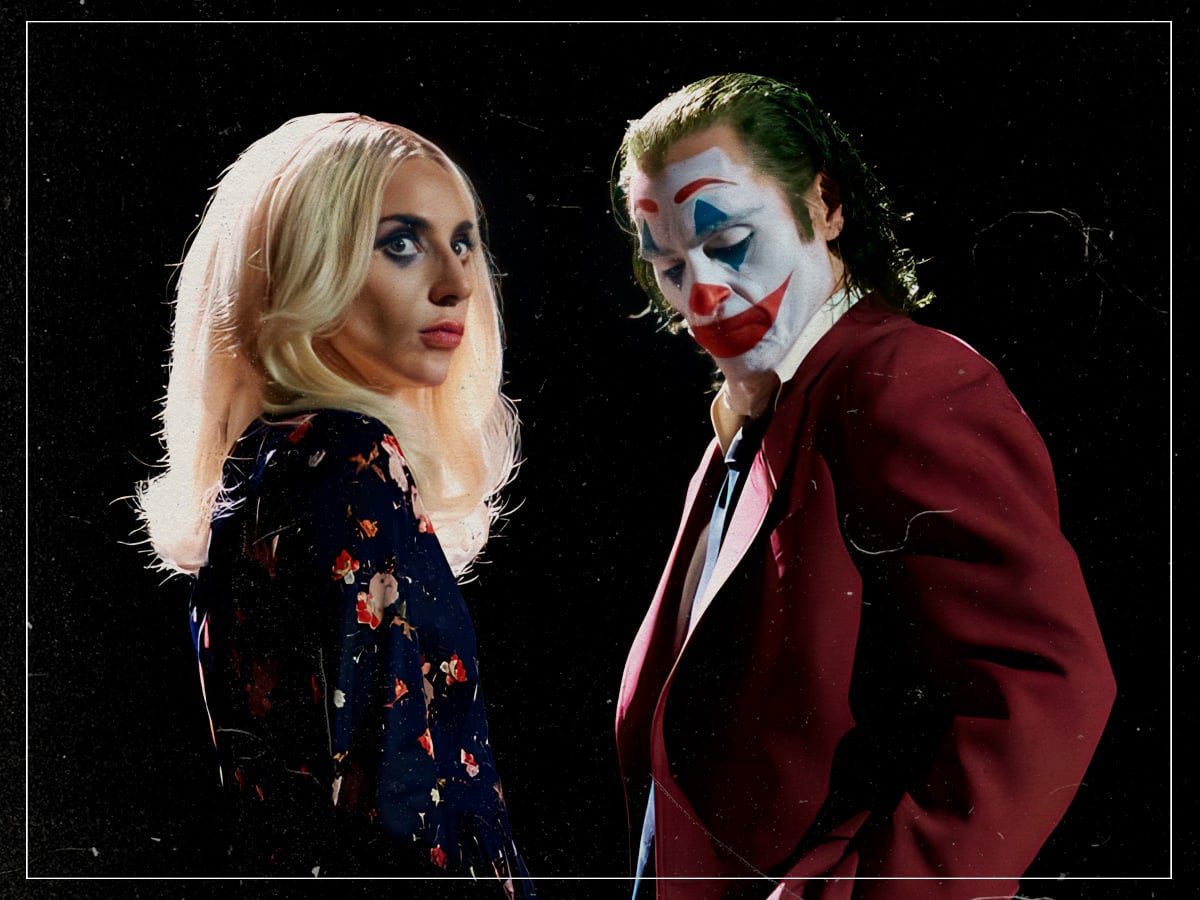
Ever since Heath Ledger turned him from comic book villain to cool misanthropic anarchist, the Joker became a symbol of adoration and liberation for the worst kind of men in the world, or at best, an overhyped favourite of film bros. So, when Todd Phillips’ darker, more cinematic reimagining of the character resulted in what was perceived as a sympathetic backstory for him, the sad men rejoiced, holding the sadistic killer up as a misunderstood hero.
Imagine their surprise when their much-anticipated sequel turned out to be musical, pummeling their hero into a pathetic footnote in Gotham’s history. Although his first was a roaring success, he was displeased by the kinds of attention his main character was getting and the insinuations that this was a Batman prequel (even though it was). Hence, he tried to subvert all expectations and poke fun at the very audience who made his work such a success. He had originally intended it to be one and done, but given a ridiculous budget and with sheer resentment in his heart, he set out to make a film that was one big “fuck you”, and props to him for that.
‘The Matrix Resurrections’ (Lana Wachowski, 2021)
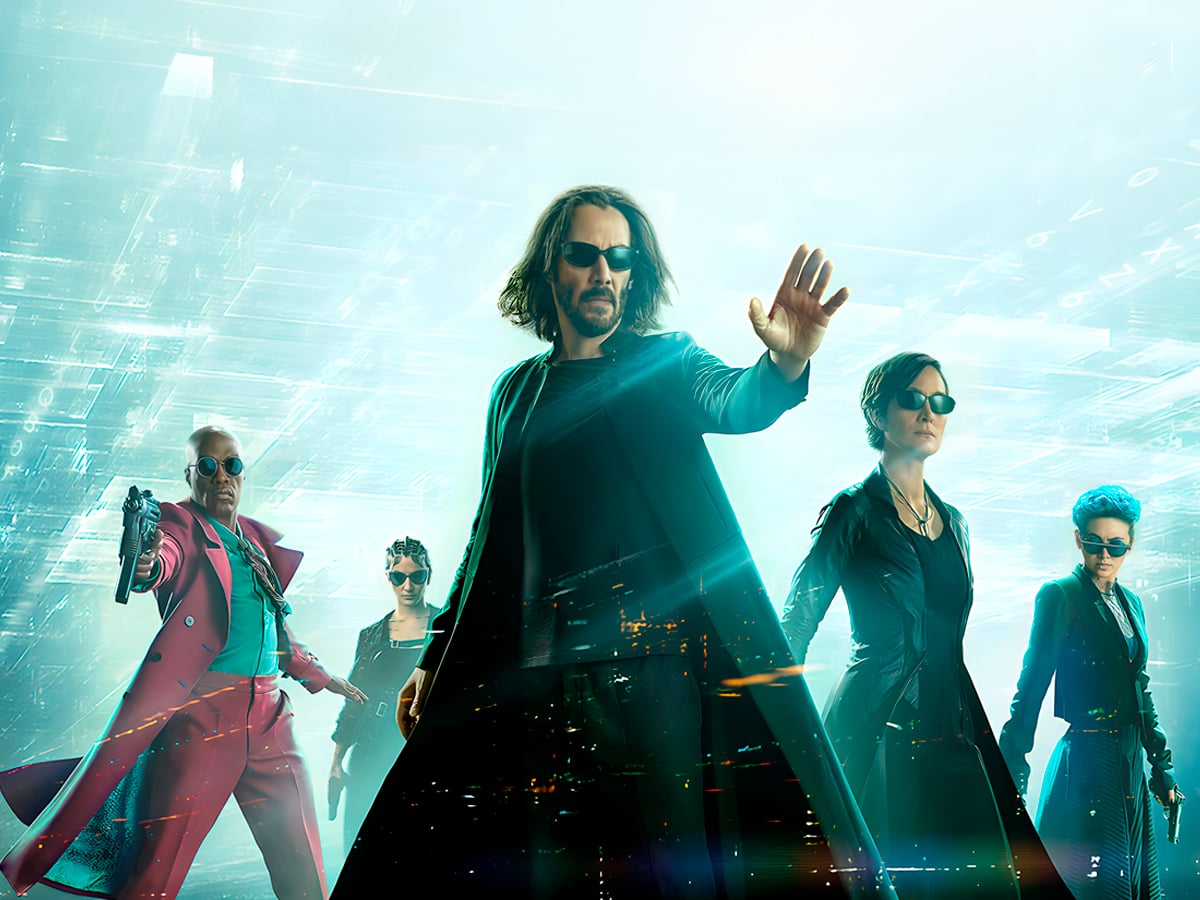
In 2021, the fourth instalment in the Matrix series was released nearly 20 years after The Matrix Revolutions had turned the axis. Set 60 years in the future, The Matrix Resurrections follows Neo trapped in a new version of The Matrix, believing he is simply living a normal life as a game developer. While there were multiple reasons behind the film eventually being made, including the death of the Wachowskis’ parents, at least one seems to be a little spiteful.
From the moment Revolutions was done, Lana and Lilly Wachowski made it clear that they felt the films had come to a natural end, and they had no interest in beating a dead horse. But when a film is as successful as The Matrix, studios aren’t so keen to let it die. Warner Bros constantly expressed interest in reviving the film, even flirting with a reboot/sequel/prequel to be made by Zak Penn, and this threat of a change of guard miffed the Wachowskis into resurrecting The Matrix, minus Lilly in the director’s seat.
‘Shrek’ (Andrew Adamson, 2001)

If you’ve ever watched Shrek and thought maybe they are actually poking fun at the eye-rolling, sentimental tropes of Disney films, you’d be on the money. From Donkey’s more annoying take on the talking animal to the hubristic Lord Farquaad and onto our eponymous green anti-hero, Shrek the Ogre, every stereotype of the fairytale was turned on its head. But this wasn’t just done by some clever filmmakers who wanted to challenge these tropes.
Jeffrey Katzenberg, the co-founder of DreamWorks, was previously the chairman of Walt Disney Studios, but was swiftly booted in 1994 due to a disagreement with Disney CEO Michael Eisner and Walt Disney’s nephew, Roy. One can only invoke coincidence so far when, a few years later, the new production house came out with a film that skewered all the worst Disney tropes, and its home video release scheduled for the same day as Disney’s Monsters Inc.
So, if anything, it seems like a middle-finger salute to the corporation, especially considering that Shrek has gone on to become one of the most iconic animated movies ever, beating Monsters Inc at the Oscars. Touché Katzenberg.
‘Raiders of the Lost Ark’ (Steven Spielberg, 1981)
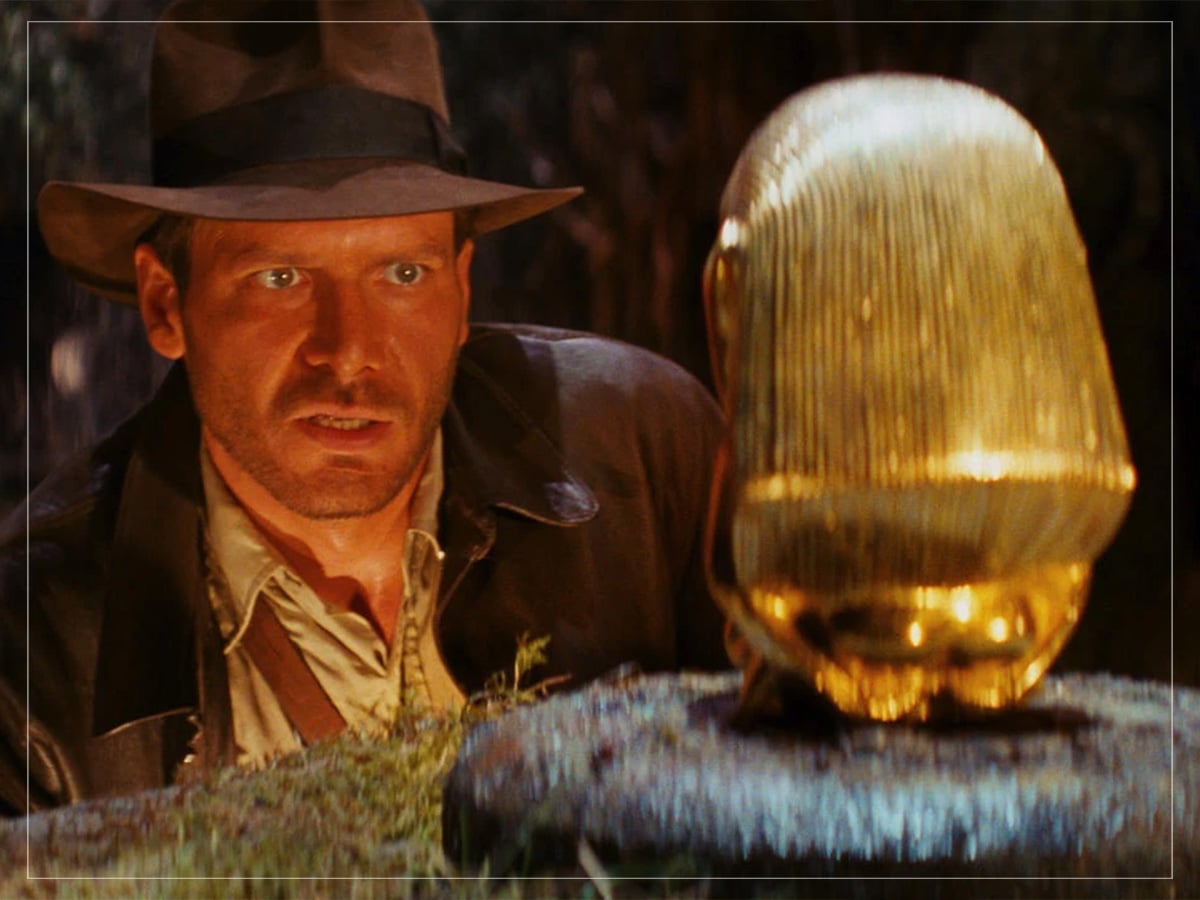
While George Lucas dreamed up Raiders of the Lost Ark off the happy memory of the adventure serials he loved as a kid, Steven Spielberg gunned to take on direction duties as a matter of long-term rejection turned spite. A lifelong James Bond fan, Spielberg had always been eager to make a 007 film himself, but had already failed twice. Coasting on the unexpected success of Jaws, he gave the old 007 pitch another spin but was turned down for not being a good fit, and then once again for quoting too high a price.
This resounding fail gave George Lucas the pitch he needed to convince the filmmaker to direct his adventure film, positing it as even better than James Bond. Spielberg’s disappointment seemingly drove him to take on the project, and we got Harrison Ford as a Bond-esque figure, only he was a swash-buckling archaeologist in a grubby attire with a taste for the ladies; much cooler (and more handsome) in my opinion. And honestly, ended up as one of the most beloved, well-shot action series in cinema history. Plus, Spielberg even got to cast former Bond actor Sean Connery as Indy’s dad in the sequel. What a win.
‘Solaris’ (Andrei Tarkovsky, 1972)
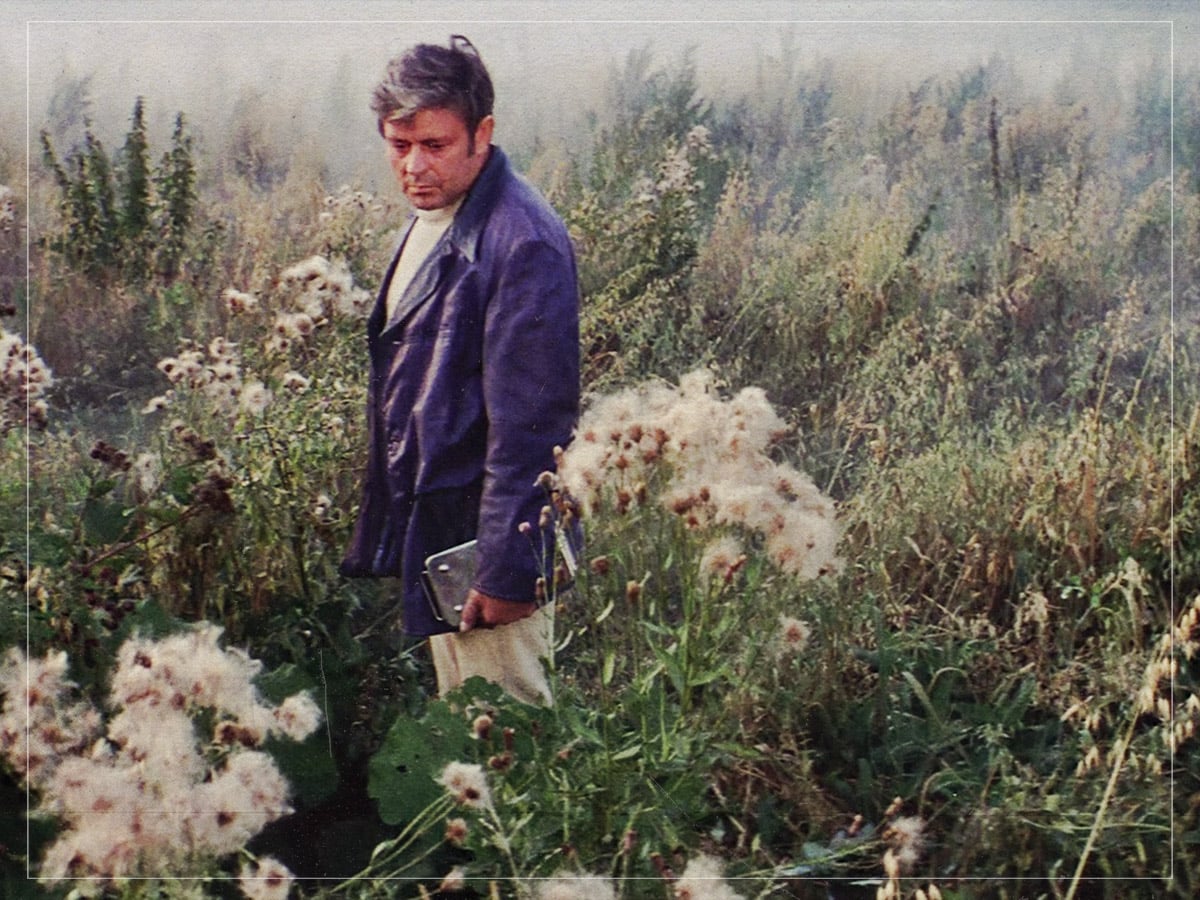
1972 saw the US and the USSR Cold War spread to three planes: Earth, in space and on the silver screen. Although the US had the money, the technology and the world-famous names behind it, Russian cinema was giving it a run with filmmakers like Andrei Tarkovsky. And so when Stanley Kubrick brought out his epic science fiction film 2001: A Space Odyssey a year before the moon landing, to rapturous reviews, Tarkovsky thought, “Let’s bring the ‘Space Race’ to the stage”.
Where many saw 2001 as an immense technical and cinematic feat, Tarkovsky saw something cold and sterile. In general, he saw the genre of science fiction as shallow due to its focus on technology instead of human questions and singled out Kubrick’s film as “phoney on many points” and a “lifeless schema”. So, out of sheer disdain and one-upmanship, he challenged himself with creating a more human-centric sci-fi film, Solaris, adapted from Stanislaw Lem’s eponymous novel. It also follows an astronaut on a trip into space, only instead of a mysterious obelisk, he’s investigating the effects of a strange planet on the skeleton crew orbiting it. Although it doesn’t quite have the grandiosity of Kubrick’s feature, the lack of resources failed to stop the powerful, both visual and emotional, punch it packed, even earning praise from the motivator himself.
