


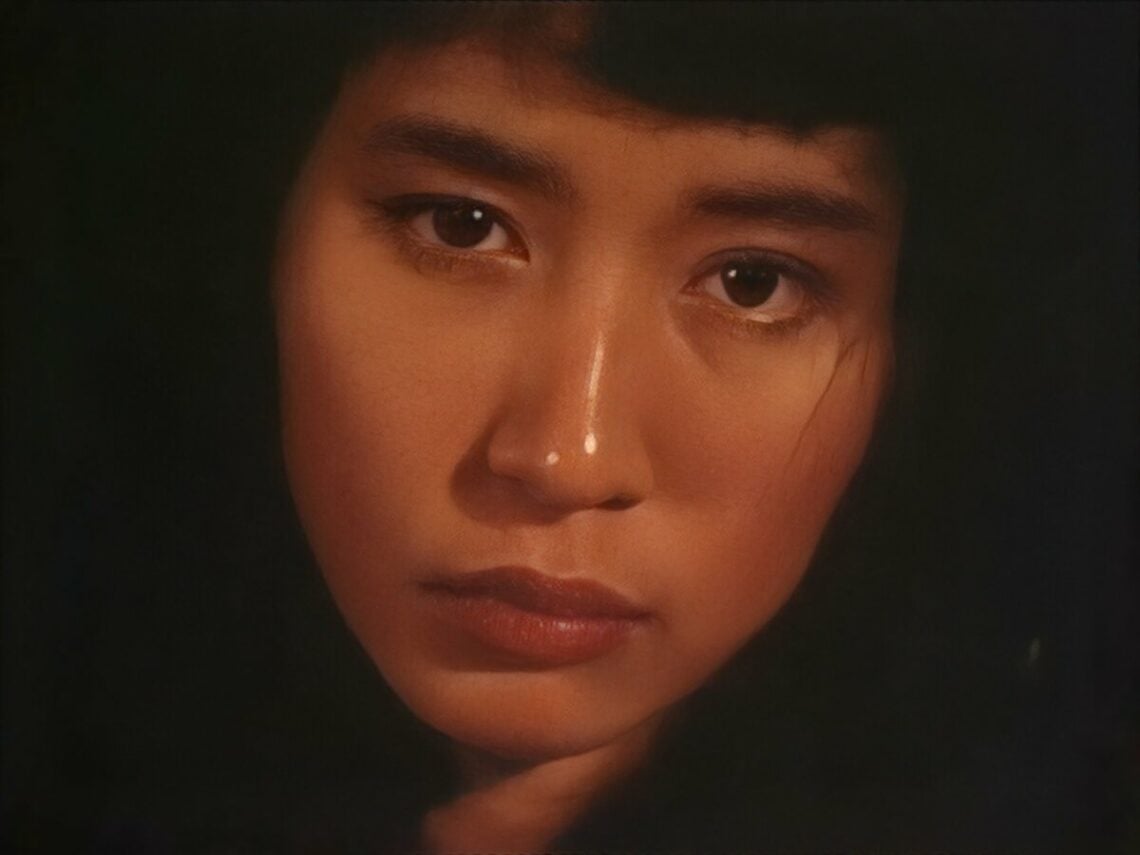
‘The First Love’: Mari Terashima’s avant-garde vision

While the general frameworks of filmmaking often have certain definite ideas of narrative structures, the avant-garde space often allows for alternative methods of expression. Through the works of pioneers like Maya Deren and Stan Brakhage, experimental cinema has managed to regularly transcend any rigid definitions while constructing visceral experiences that strike at the centre of the human psyche. One such filmmaker whose approach to cinema achieves the same is Mari Terashima.
Working within the exciting and original domain of Japanese experimental cinema, Terashima’s work operates in a space that is shared by directors like Shozin Fukui and Takashi Ito. Known in the international film festival circuit for her works like Alice in the Underworld, Terashima’s cinematic experiments, in many ways, exist outside the scope of the Japanese avant-garde canon because of their eclectic sensibilities.
Terashima started her filmmaking journey in the mid-1980s after training under the iconic Japanese auteur Toshio Matsumoto during her time at the Kyoto Art College. In addition to cinema, she has also engaged in other artistic practices, but it’s her films that continue to attract the attention of cinephiles around the world who are interested in the strange and mystical world of Japanese experimental cinema and its wonderfully bizarre offshoots.
One of the most interesting additions to Terashima’s filmography is the incredibly obscure 1989 gem – The First Love. Functioning like a dream, the short film doesn’t have a proper narrative, but it doesn’t need one. It plays out in a different register of reality, one that is governed by the abstract logic of symbols and desires. It’s a kind of cosmic order that doesn’t need to be articulated to be understood; experiencing it is enough.
Featuring a fascinating symbolic interface that is made up of dolls, roses, cages, tarot and other gothic elements, The First Love focuses on the strangely ethereal existence of a girl who lives under the watchful eye of an older man. Suggesting themes of captivity, abuse and an omnipresent air of psychosexual trauma, the film follows the girl as she catches the eye of a young boy who is drawn by her image in his telescope.
Terashima uses the themes of beauty and opulence to engage in an audiovisual commentary about aristocratic decadence. Through ritualistic repetitions and visions that feel like they were surgically extracted from the dreams of someone who was dying from a terminal disease, The First Love transports you to a realm that you didn’t even know about.
Watch the film below.
