


The first album that cost over $1million to make

When an artist becomes one of the most in-demand acts in the world, money doesn’t seem to matter all that much. All of the millions of guitar overdubs that can go onto the final version of the record, the endless studio sessions and the luxurious riders can all be justified when there’s already an impressive back catalogue under their belt to listen to and a chance to make even more money at the end of the day’s work. Although Fleetwood Mac could have done whatever they wanted after Rumours, Tusk marked one of the most extravagant records ever made.
While the band had made peace with their dysfunctional romantic relationships, their insistence on staying the course on Tusk cast each member to their own creative corners to make the best songs they could, spending over a million dollars on the final double album. As Mick Fleetwood would later recall to Undercover, “For all of the blessings we had bestowed on us for being successful, I always thought that it was a fully righteous thing that a band such as Fleetwood Mac would plough that money back into the very process that we’d been blessed by”.
Despite the extravagant amount of money, Fleetwood would go on to say that the record company wasn’t lining up to give them money for their trouble, explaining, “People often assume that you are the star of the show and some production company pays for everything. That is not the case literally by 100%”. Pouring out most of their money from Rumours, the band would put some of their most ambitious sounds down on tape, including using a marching band for the title track.
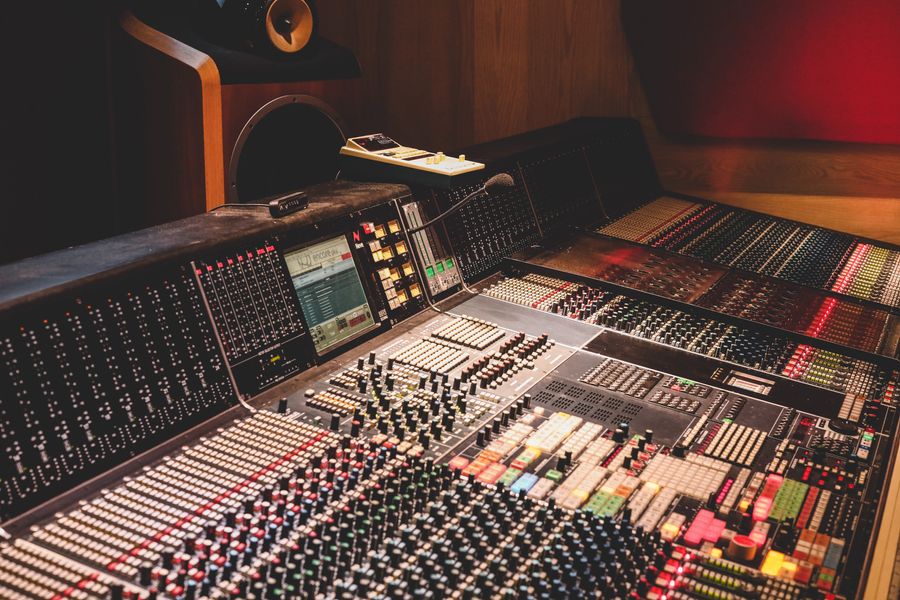
Instead of just coasting by on their laurels, Fleetwood insisted on making something extravagant that could rival what they had done on Rumours. While the songwriting sessions were more separate than before, Fleetwood’s vision was to make something that could act as a companion piece to their blockbuster record, which involved finding the right studio to make their dreams a reality.
For all of the great material available on Tusk, it’s easy to hear the divide between different members of the band as well. Coming from the compact statement one album before, Tusk’s track listing feels indebted to the songwriters, almost like The Beatles’ White Album, where any song could stand as a solo track.
As much as the band might have seemed overindulgent on the surface, Fleetwood never saw the album in those terms, recalling, “That to me doesn’t personally feel like any form of indulgence. It was always a cross to bear that we all had from ‘Rumours’ on”.
Despite the hours of work put into the album, the press were often more inclined to focus on the showy aspects of the band’s relationships, quickly turning their press conferences into what felt like a rock and roll soap opera. If the critics stepped back to look at the project in front of them, Tusk feels more like a magnum opus than Rumours, making every performance as perfect as possible and always returning to the common language of music to keep them together.
Whereas most artists would send most of their income right up their nose in the ‘70s, Fleetwood was proud that the band indulged themselves in the right ways, saying, “The fact that we didn’t say ‘let’s spend three weeks in the studio and get the hell out and shove something out’ actually speaks well of where this band puts its metal”.
