


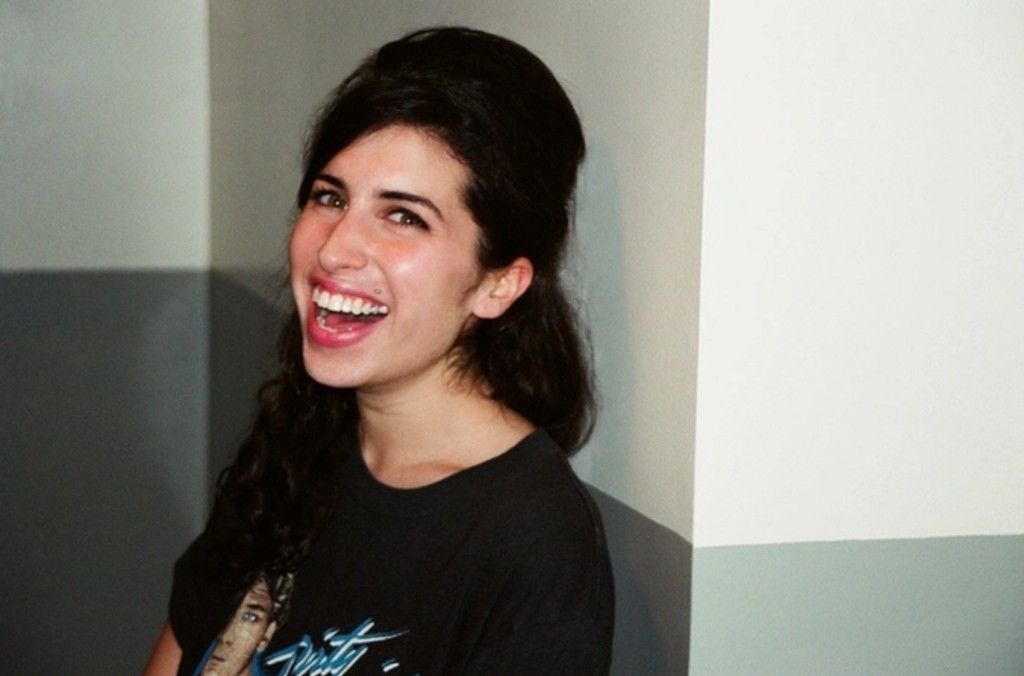
The final days of Amy Winehouse, ten years later

On July 23, 2011, singer Amy Winehouse was found dead in her Camden flat. She was discovered by her bodyguard Andrew Morris, one of the few individuals in her inner circle who wasn’t enabling her alcohol and drug abuse. At the time, Winehouse had just cancelled a string of European tour dates after a disastrous concert in Belgrade a month before, footage of which remains difficult to watch. The singer drunkenly meanders around the stage, occasionally sitting down or attempting to walk off, and has difficulty introducing the band or remembering lyrics.
The shows that she had performed in the months prior were uninspired. Winehouse appeared bored of singing songs from Back to Black and would stretch out lyrics and vocal lines in ways that satiated her jazz-singer instincts but incensed casual fans who just wanted to hear the tracks performed in a way that they were familiar with. She would also constantly – and visibly – drink while onstage. Occasionally, an apology or a caustic remark would be levelled at the audience. Still, even during the better shows, it was clear that Winehouse’s passion for songs like ‘He Can Only Hold Her’ and ‘Tears Dry On Their Own’ were long gone.
The inspiration behind Back to Black, Winehouse’s ex-fiance Blake Fielder-Civil, was by this time long removed from her life. What he left her with was a toxic predilection towards drugs and alcohol. Winehouse first did crack cocaine with Fielder-Civil, and the two would only attend rehabilitation together, something that Winehouse’s doctors forbade. Even though she was attempting to get clean and remove herself entirely from Fielder-Civil’s influence, the coping mechanisms that she relied on during their turbulent relationship would continue to affect her physical and mental health negatively.
The figures of stability that Winehouse relied on earlier in her life were either shut out or had motivations that were antithetical to her well being. She had replaced her original manager, Nick Shymansky, with concert promotor Raye Cosbert, who took a hands-off approach to Winehouse’s personal life and whose primary motivation was to keep her on the road. She had largely alienated herself from close friends Juliette Ashby and Lauren Gilbert, both of whom were lifelong calming influences, especially during the initial worldwide fame Winehouse experienced as a result of Back to Black‘s success. Her father, Mitch, with whom she had been estranged before her fame, was now taking on financial and managerial responsibilities in her career, bringing camera crews to personal vacations and famously discouraging her from seeking treatment for her addictions.
It would be easy to pin Winehouse’s downfall on these individuals, but the truth also lies squarely with Winehouse herself. She had to divorce herself from the people who were taking advantage of her, but she was too loyal to those who exerted control and power over her career. She had acknowledged her health problems, which included emphysema, depression, and bulimia, but was too easily swayed not to properly seek treatment or remained aloof and ignorant to the significant toll it was taking on her life. Winehouse may have been surrounded by malignant figures, but she was still capable of making her own decisions.

Those decisions weren’t always bad. She separated from Fielder-Civil and pursued healthier romantic relationships. She collaborated with Mark Ronson on his cover of The Zutons song ‘Valerie’ and collaborated with personal hero Tony Bennett on ‘Body and Soul’ from his Duets II album. She was attempting to kick drugs and reestablish relationships with her close friends. She was reconnecting with producer Salaam Remi to finally put together a follow up to Back to Black. There was still a dark cloud that hung over her, but there was also a fair amount of light coming through as well.
By all accounts, there was a path to the future: a jazz project with Amir ‘Questlove’ Thompson, Mos Def, Raphael Saadiq, and Remi. A third studio album and another collaboration with Ronson. These were all still floating in the air on the morning of July 23. But with a lethal combination of alcohol (her blood alcohol content was allegedly five times the legal limit) and a compromised physical stature, everything regarding Amy Winehouse suddenly became past tense.
Ten years later, the legacy of Amy Winehouse is becoming closer to myth than any semblance of reality: a hugely talented and tragic figure who forged her own trailblazing path to success but was let down the people she trusted most, including a number of men who cared more about financial stability and additional wealth than for the singer’s well being. That’s the narrative that several think pieces and retrospectives take, and it’s basically the thesis for Asif Kapadia’s 2015 documentary, Amy. The reality, however, contains far more shades of grey, as it always does when compared to the myth.
No one else was in Winehouse’s room that night. Nobody forced her to drink the excessive amounts of vodka that wound up killing her. Nobody could fully penetrate or inhabit the mindset that Winehouse had when she wound up making what would be her final decisions. Now, a decade after her passing, the temptation to turn Winehouse into a martyred or tragically misled figure is strong, but it’s also wrong. Her music can, and should, be canonised, but the life she lived is too often woven into a narrative that positions her as a victim without any control. Winehouse made her own decisions, for better or for worse. They should be viewed with nuance and not scandalisation, especially with ten years of perspective.
