


‘The Exquisite Corpus’: Peter Tscherkassky’s exploration of the erotic

For those who are interested in the incredible history of the cinematic medium, found footage has always been an unbelievably potent source of education as well as entertainment. Not just scholars but many pioneering filmmakers have used found footage and archival material to construct new narratives that address contemporary issues. One of the most renowned practitioners working within this domain is the Austrian artist Peter Tscherkassky.
Known for his experimental gems such as Outer Space, Tscherkassky’s body of work has become an integral part of the avant-garde movement. Through the incorporation of transgressive visual frameworks and by engaging in conversation with the sociopolitical elements of cinephilia, the acclaimed auteur has raised many important questions about the landscape of modern cinema. This is amplified by his choice to continue working with film, refusing to rely on the emerging structures of digital filmmaking.
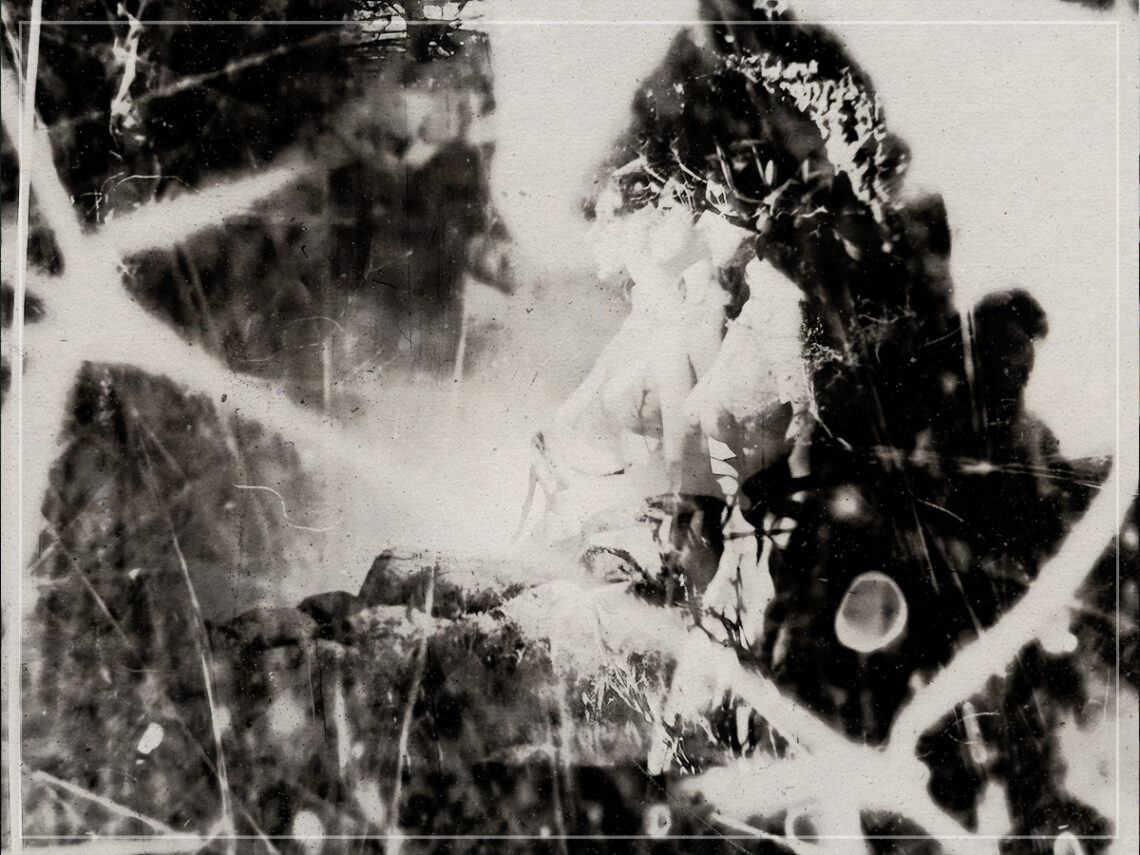
One of the most interesting additions to his vast oeuvre is a documentary called The Exquisite Corpus. It’s a strange investigation of the erotic, featuring flickering images collected from an eclectic mix of sources – ranging from softcore porn to advertising footage. Deviating from the codified language of mainstream pornography, Tscherkassky’s film works like a hallucinatory dream that conjures up a visual representation of a morphed desire.
During a conversation with MUBI, the director opened up about the project: “It’s about showing the body: my approach was to show the naked body of cinema. So, it made sense to use films whose main goal was to show the human body. There’s a certain progression within the film’s chapters: it’s always a movement from the depicted images, the originally depicted images of the things that are photographed, towards the body of the film itself.”
When asked about the politics of sexual imagery, Tscherkassky explained: “There’s a famous Roland Barthes quotation that the erotic takes place where the woven textile has ripped. You look inside of something that is not meant to be seen. I wanted to move from straight porn and transform it into something that might fit this Barthes quotation. Making pornographic imagery erotic instead of simply sexually arousing.”
The Exquisite Corpus doesn’t just challenge the commodification of sexuality that modern audiences are familiar with, it also tackles the history of its representation. Featuring simultaneous projections of the same sexually charged scenes that are separated by temporal imbalances, distorted soundscapes, superimpositions and semi-animalistic visions, Tscherkassky’s work acts as a stream of historical consciousness. Just like the camera’s ability to transform the human body, the director’s physical manipulations of the images on display change the medium itself.
Watch the film below.
