


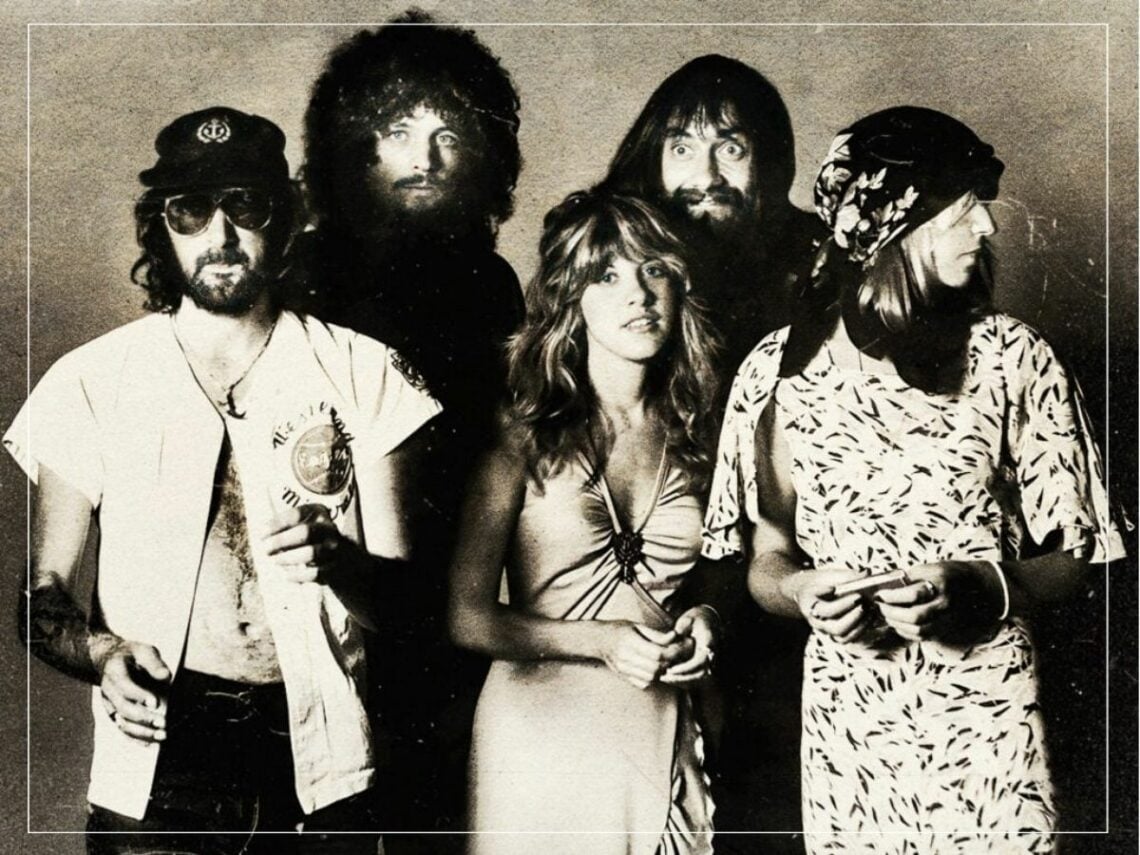
“It was a bloody nightmare”: The era that almost killed Mick Fleetwood

Rock and roll is never known to be the easiest job in the world. The idea of touring the world might sound awfully fun at first, but being laser-focused on playing music at all times and still finding time to serve the creative muse is going to be a challenge for anyone who wants to make something a bit more adventurous when they go into the studio. Although Mick Fleetwood could keep the ship of Fleetwood Mac for as long as people kept showing up to rehearsal, he thought that one era of the group was his emotional and physical rock bottom.
For anyone who knows Fleetwood Mac’s story, though, they have always been defined by their problems. The group may have started as one of the greatest blues acts in England, but after slowly starting to lose control of his own mind, Peter Green seemed more intent on being left to his own devices, almost like a mild version of what Syd Barrett had done after he abandoned Pink Floyd.
While the group did carry on and soared to bigger heights with Lindsey Buckingham and Stevie during the Rumours period, some of their greatest highs were normally met with staggering lows as well. Aside from Fleetwood’s wife having an affair with one of his former bandmates to going through a messy divorce, he only had the music to keep him afloat half the time, along with a trunkload of booze wherever he went.
Despite being known for their soft-rock persona, Fleetwood was as much of an animal as any of his rock and roll contemporaries. Rumours had been made in a whirlwind of cocaine, and when things began hitting the ceiling during the recording of Tusk, it was clear that Fleetwood was in for some dark days when Nicks and Buckingham put the band on the back burner to pursue solo outings.
Although the 1980s did see some of the band’s greatest hits like ‘Everywhere’, ‘Gypsy’, and ‘Little Lies’, Fleetwood was barely holding it together. His lack of discipline led to him being stripped of his manager duties, and with no one to come home to, things began caving in when he was left to his own devices.
When talking about that period later, Fleetwood could thank God that he actually managed to make it to this phase of his life, saying, “It was a wild trip that didn’t stop for nine years. I tried very hard to leave the planet, and I nearly did. I don’t want to romanticise something that’s extremely dangerous. It was fun, but it was a bloody nightmare, and I would never do it again. It became boring and sordid.”
While Fleetwood did manage to kick his habit by the 1990s, he could still deliver whenever the time called for it. Despite Time being one of the worst Fleetwood Mac projects, the backbeat was always fantastic, and judging by how he performed on the group’s comeback album Say You Will, he was still willing to channel his inner John Bonham when the time called for it.
Despite having to go through certain years of his life that he doesn’t remember, Fleetwood still stands as one of the true rock and roll survivors of the genre’s golden age. He may not have been the Keith Richards type by many people’s assumptions, but there was some darkness behind his eyes that nearly led him to an early grave.
