

‘Beavis and Butt-Head Do America’ turns 25: The eternal tao of a cultural behemoth
Read More


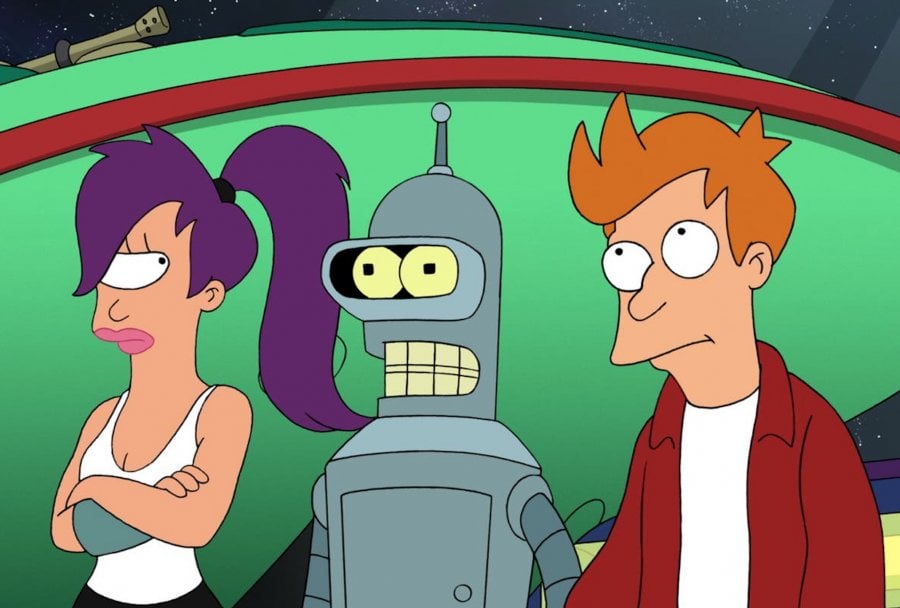
Futurama recently entered the public spotlight once again after it was announced that the beloved show was finally getting a revival on Hulu. This decision has already generated polarised opinions online, with many fans expressing their excitement about the future of the show while others have claimed that Futurama should have been left alone after the last finale.
When it was first released, Futurama represented something very important — an overwhelming cultural sentiment that had a certain je ne sais quoi about it. A unique product of the ’90s, the first episode aired in 1999 and followed the bizarre adventure of a painfully average pizza delivery boy named Philip J. Fry who accidentally ends up freezing himself for 1000 years.
Fry is probably one of the greatest cartoon protagonists in the history of television because of his average qualities. Stuck in a dead-end job, spurned by a cheating partner and without any hopes for a better future, he soon becomes the most privileged man of the 20th century just because he manages to make it to the 31st century and experiences a brand new world.
Given the wild beliefs that people had about the 21st century as well as the Y2K paranoia, Futurama was the perfect answer to the rising concerns that dominated public discourse. It championed the sweet escapism of futurism, presenting a highly specific vision where the paths to existential subjectivity and inner peace are endlessly divergent.
In addition, the portrait of the future that Groening and his writers painted was far from the utopian fantasies that people often associated with escapist fiction. Instead, the 31st century was shown as a flawed but charming time – a period when inter-galactic travel had become a possibility but it simultaneously bared the same societal cracks that we see around us today.
The characters that surrounded Fry as he joined Planet Express – a space delivery company – in the 31st century were just as fascinating, ranging from the lonely but inspiring captain Leela (Katey Sagal) to the downright psychopathic but loveable robot Bender (voiced by John DiMaggio). These eccentric figures, especially ones such as the incompetent Dr. Zoidberg, contributed to the creation of a world that felt truly alive.
“I love Star Wars and Star Trek and all the variations on them,” Groening said in an interview from 1999. “However, I wanted to do a TV show in which the problems of the universe are not solved by militarism guided by New Age spirituality. I just thought — let’s try something different, you know. It’s not a knock. It’s not a knock on the optimism of those shows. I just have a slightly — I’m going to get fired — a slightly more subversive take, I think.”
Futurama ended up having a definite impact on the genre, including animated works such as Shinichirō Watanabe’s brilliant Space Dandy. The show’s unique blend of nerdy, surreal, dark humour maintained its appeal thanks to an incredibly talented writing team formed by highly qualified people who have been described as the “most overeducated cartoon writers in history.”
While Futurama might not have the same purpose it did in the sociocultural framework of Y2K, the show’s cautious optimism about the future is still relevant for those who are eager to look past the horrors of the pandemic. Just like Fry explored the vestiges of memory in a world that was no longer familiar to him, one can only hope that Futurama moves into a new direction that retains many of the nostalgic connections but attempts to revitalise its artistic vision.
