


The director Matt Damon convinced not to direct ‘Good Will Hunting’: “Is there any chance you’d just let it go?”

The making of Good Will Hunting has entered Hollywood folklore, and with good reason, after brash upstarts Matt Damon and Ben Affleck refused to let the movie be made unless they were allowed to play two of the three leading roles.
Due to the fact they were relatively unknown, completely unproven, and strapped for cash, saying it was an uphill battle was putting it lightly. The duo believed in the script, though, which was of course vindicated when they won the Academy Award for ‘Best Original Screenplay’.
Writing a movie, a very good movie, is actually comparatively easy to pull off, at least when you compare it to getting the thing made. Trying to battle into the studio executive offices, get clearance, and rounds and rounds of funding is a nearly impossible task for anyone, let alone for two newbie writers. But the script was good.
Convincing people to fund it was an entirely different matter, however, with Kevin Smith proving instrumental in that regard by bringing the project to disgraced studio mogul Harvey Weinstein, who immediately took a liking to the thoughtful character-driven drama.
A lesser-known act of that lengthy and often excruciating process is that Mel Gibson spent months developing Good Will Hunting as his next effort from behind the camera after his ‘Best Picture’ and ‘Best Director’ winner Braveheart.
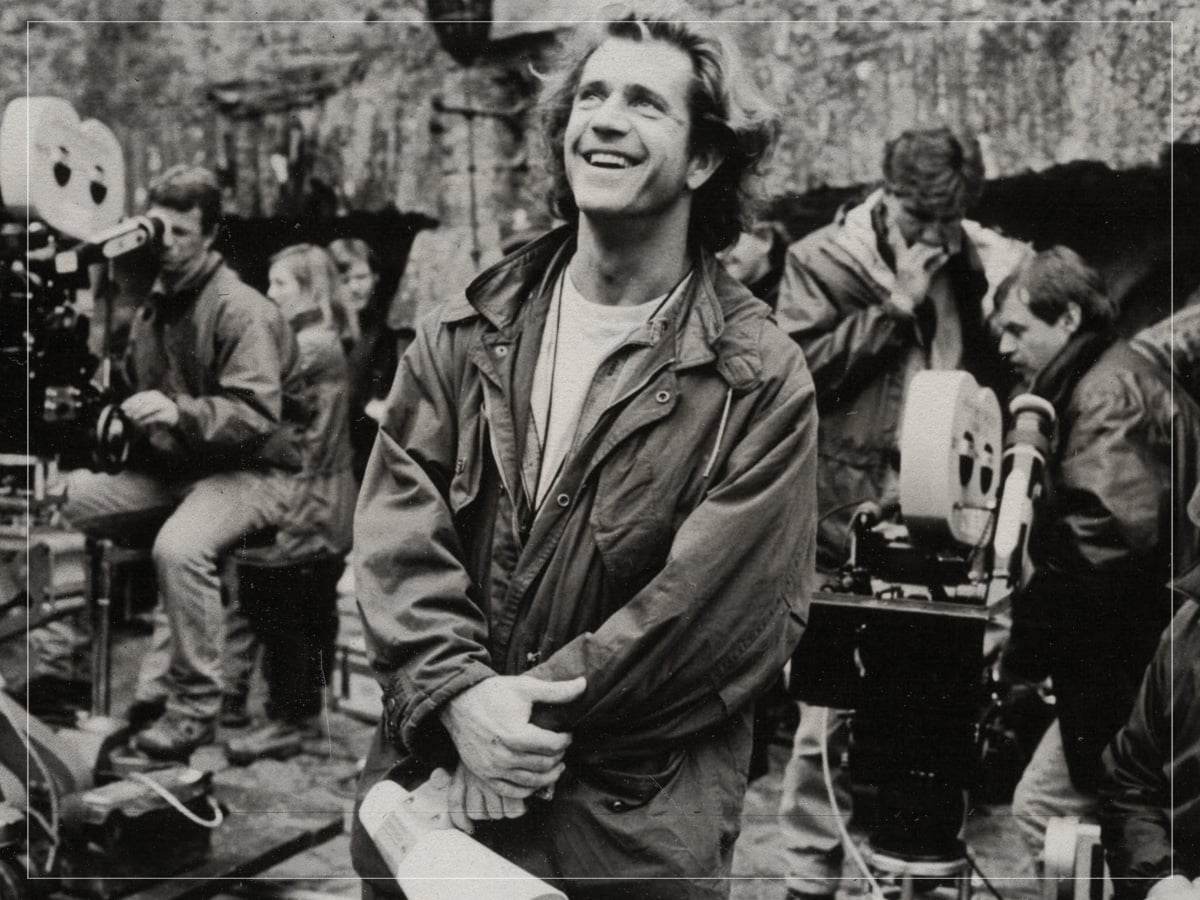
Long before Gibson had found himself on the end of a speeding ticket that would derail his career, he was, by and large, one of the most famous men in Hollywood. A powerhouse in the box office, with the aforementioned Scottish epic, the Australian had seemingly defied the odds to make himself into a brand new Clint Eastwood. He had his hands on Good Will Hunting and looked set to make it his next winning credit, only for Damon to stage a last-ditch intervention and talk him out of it.
As Affleck recalled to Boston magazine, he and Damon hadn’t seen Braveheart, but it was a big enough deal that they were instructed to pretend as if they had. “We met with Mel Gibson, and Braveheart had just come out, and was as hot as could be. But we hadn’t seen Braveheart and Harvey was like, “‘You haven’t seen Braveheart? Fucking lie to him and tell him you love Braveheart!'”
When the childhood best friends eventually met the Lethal Weapon star face-to-face, Affleck told him exactly that. However, the gears weren’t turning quickly enough for Damon’s liking, and he was aware that the longer Good Will Hunting lingered in development, the danger grew of him and his cohort being unable to convince as the title character and Chuckie Sullivan respectively.
“Mel Gibson developed it for a few months,” producer Chris Moore admitted, and he was taking his sweet time from the sound of it. “Matt at one point said directly to Gibson, ‘Look, man. We’re getting too old. If this keeps going by, Ben and I can’t play these parts. Is there any chance you’d just let it go?’. And to Mel’s credit, he said, ‘I totally understand what you’re saying’. That was a real stand-up thing to do.”
It’s not often Gibson finds himself being described as a stand-up guy, but he was in this instance. Damon was so determined to guarantee he would be able to act in Good Will Hunting that he went directly to the source and requested that the two-time Oscar winner and A-list superstar abandon his intentions to direct it himself to grease the wheels. Bold, but it worked.
Not long after that, Gus Van Sant was drafted in and cameras began rolling in April 1997, with the film arriving in cinemas a mere eight months later. It recouped its budget 20 times over at the box office, turning Damon and Affleck into overnight stars in the process, so as they say; the rest was history.
