


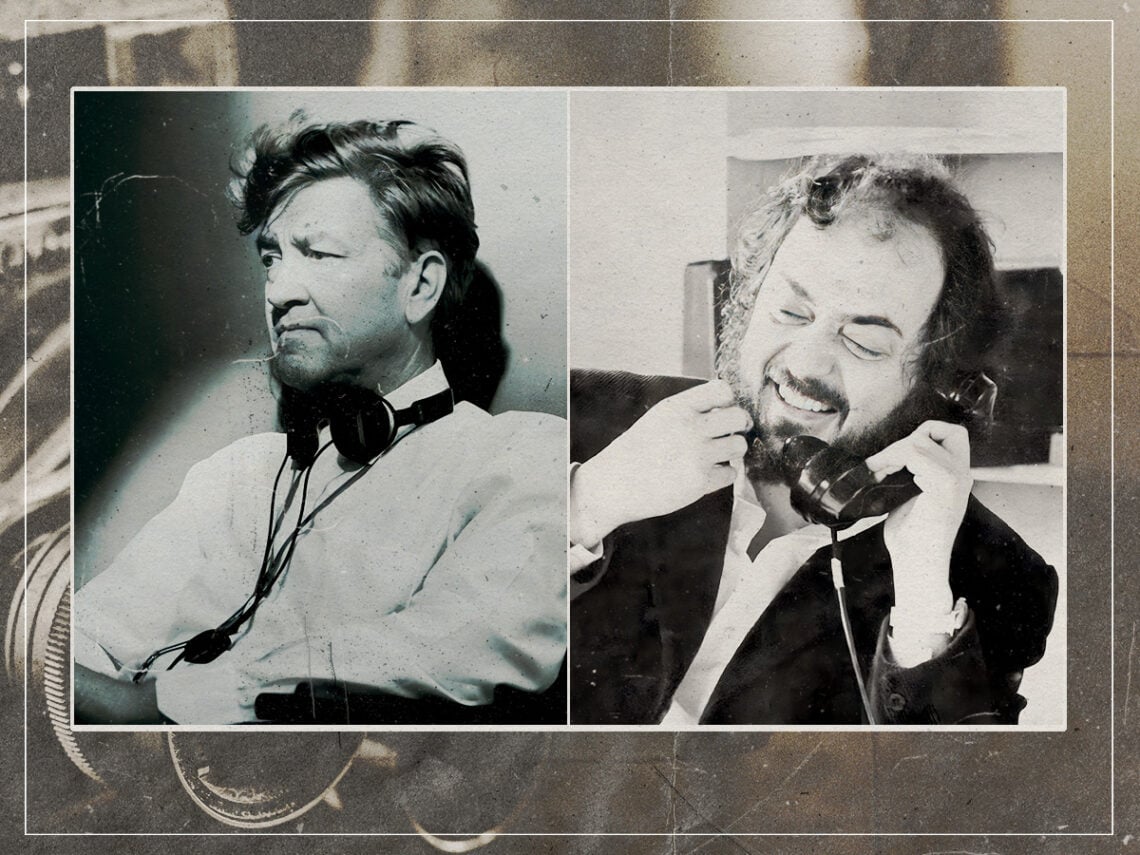
The David Lynch movie Stanley Kubrick wishes he had made

There hasn’t been, currently isn’t, and more than likely won’t be another filmmaker like Stanley Kubrick ever again, such was the impact he made and the influence he left behind following a storied career.
Given the way in which he dedicated decades of his life to meticulously crafting every aspect of his filmography, it’s difficult to imagine someone of Kubrick’s stature watching on with jealousy at somebody else’s movie. And yet, that may have been exactly how he felt after seeing one that would go on to be known as one of his personal favourites.
Bursting onto the scene in 1977, David Lynch immediately marked himself out as a directorial talent worth following when Eraserhead arrived. Startlingly unique, unmistakable original, and distinctively the product of its creator’s unfiltered imagination and creativity, Kubrick was hooked.
Per The Guardian, Kubrick screened Eraserhead for the cast and crew of The Shining “to put them in the mood” and establish what sort of eerie tone and unsettling aesthetic he was aiming for, with Lynch’s debut feature turning out to be a significant influence on the way the Stephen King adaptation curated its atmosphere.
Lynch would acknowledge that he was told directly by Kubrick that it was his favourite film, with one of Hollywood’s many urban legends offering that he wished he’d been the one to make it. The whisperings hardly began in the bowels of the internet, though, with Gaspar Noé offering that it was a story he’d heard before.
The controversial director was speaking to Bomb and discussing how Kubrick had been an idol he called “my own god” when he shared how he’d heard “Kubrick said about Lynch’s Eraserhead that he wished he had made that movie because it was the film he had seen that came closest to the language of nightmares.”
It’s certainly a Kubrickian way of spelling out affection for a motion picture, with the cinema legend holding it in such high esteem because it evoked the worst possible dream scenario in live-action. That would go on to become one of Lynch’s stylistic signatures, too, although Kubrick never directly or indirectly acknowledged such vociferous enthusiasm for another one of his contemporary’s productions in a public forum.
That being said, given how distinctly different their sensibilities are, it’s hard to imagine Kubrick’s Eraserhead would be anything like Lynch’s. The style, tone, themes, and motifs are all extensions of the latter’s personality, meaning it would be an altogether different sort of film on every imaginable level were the painstaking methods of the Eyes Wide Shut, Full Metal Jacket, and Dr. Strangelove orchestrator applied.
Remakes weren’t anywhere near as prevalent back in the 1970s and 1980s as they are today, although the mere mention of Kubrick directing his very own Eraserhead remains as undeniably fascinating as ever.
