


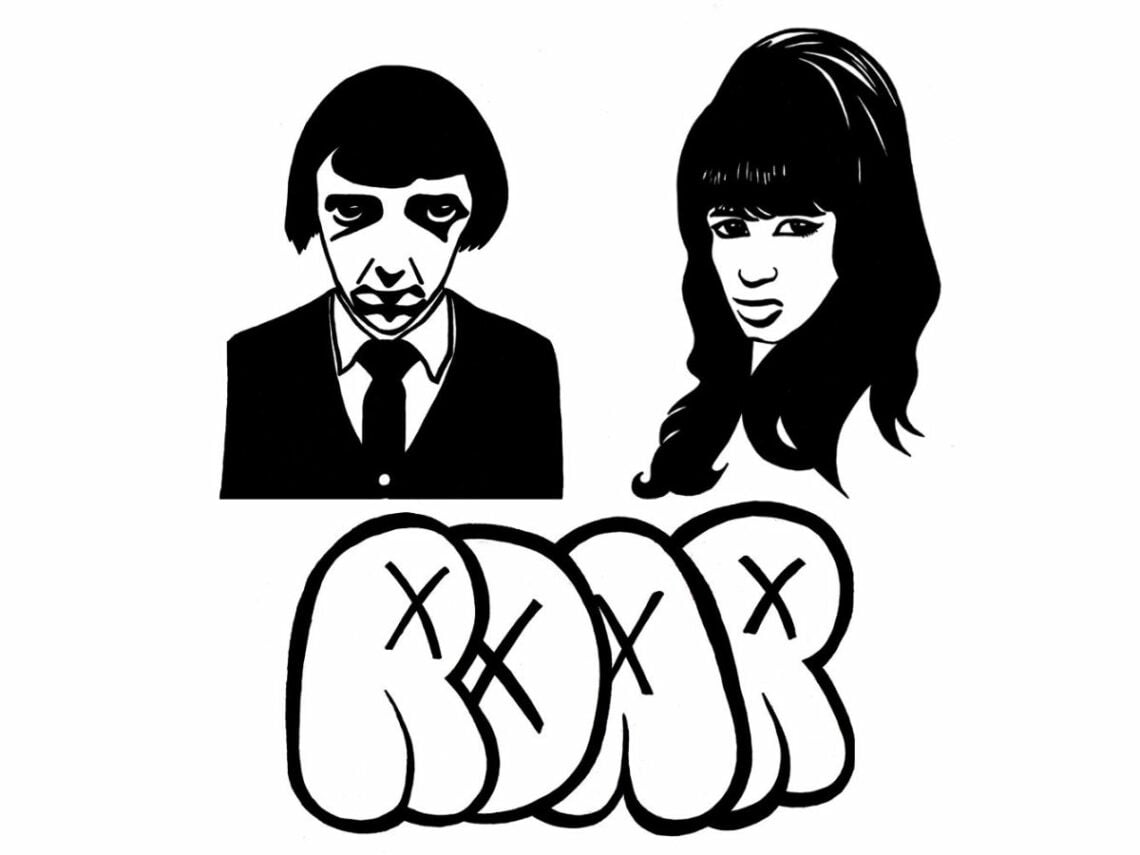
The dark truth behind Roar’s ‘Christmas Kids’: the forgotten indie gem going viral on TikTok

TikTok is a unique beast, with the ability to pluck songs out of relative obscurity and have them go viral almost overnight. Roar’s ‘Christmas Kids’ is the latest indie anthem to undergo this treatment, with more than 400,000 videos plastering the song’s lyrics over homemade videos on TikTok. A solo project by American musician Owen Evans, (Asleep in the Sea, AJJ), ‘Christmas Kids’ was one of six songs released on his debut EP I Can’t Handle Change back in 2010.
After going viral this year, ‘Christmas Kids’ entered the UK Singles Chart at 58, which marked Roar’s first entry to an international music chart, some 13 years after its original release. The song is now synonymous with the melodramas acted out on TikTok, largely set to its chorus: “You’ll change your name, or change your mind, and leave this fucked up place behind – but I’ll know.” The lyrics are a brilliant conduit for videos on anything from fan edits of films to people’s own highly personal dramas. But the story behind the song is less of a drama and more of a tragedy, with users in their droves suddenly realising that the dream-pop, indie sound they recorded videos to has a far darker meaning.
But that was by design, because Evans was commenting on the saccharine nature of 1960s pop music, how its easily digestible beats and cheery lyrics often disguise the more sinister truths behind the recordings. ‘Christmas Kids’ might sound like a waltzy, romantic tune – but it recounts the horrific abuse Ronnie Spector endured while in a relationship with Phil Spector. Having met when Ronnie (real name Veronica Yvette Greenfield) was just 17, and Phil was 24, a well-documented power imbalance coloured their entire relationship.
Phil signed her band, The Ronnettes, to his label in 1963, guiding the group as they charted with hits like ‘Baby, I Love You’ and ‘Walking In The Rain,’ eventually marrying Ronnie in 1968. Ultimately divorcing in 1974, their tumultuous relationship was seemingly a sign of things to come when it came to Phil’s violent tendencies towards women. He died in 2021, in prison, after being convicted of the murder of actor Lana Clarkson, cementing his legacy as that of a violent, abusive man.
Before her own death in 2022 following a battle with cancer, Ronnie Spector had been frank about the abuse she suffered at his hand, writing about his vindictive and violent nature in her memoir, Be My Baby: How I Survived Mascara, Miniskirts, and Madness. Released in 1990, she alleged he kept a glass coffin in the basement of their house, warning her he’d kill her if she tried to leave, as well as hiding her shoes to stop her from running away from him. She eventually gathered the strength to leave in 1972 with the help of her mother, when she fled the house through a broken window. She was barefoot.
“When taking Spector’s abusive, possessive behaviour into account,” Evan told the Phoenix New Times, “the lyrics of ’60s pop songs can begin to feel dark, insincere, and even sinister. I found a lot of common themes in pop from that era. One recurring theme was that of women being dependent upon a man or relationship to feel valuable and loved.”
That dynamic plays out in the lyrics of ‘Christmas Kids’ by coupling surface-level romantic sentiments – “Ronnette, my dear, don’t ever disappear, do what you want as long as you stay here” – with the suffocating reality – that “love is a tower where all of us can live”. In the song, their relationship is characterised by isolation and entrapment. And in case the allusion to a gilded tower went over people’s heads, Evans doubles down by repeating: “If you ever try to leave me, I’ll find you, Ronnie”. Within the context of Phil Spector’s abuse, this line is threatening and sinister, but the lilt of Evans’ melodies is so disarming it almost sounds like the lovesick ramblings of a teenager with their first crush.
That twisted idea of love gone wrong extends all the way to the name of the track. In 1971, Phil surprised Ronnie with adopted twins for Christmas, hence the lyric: “The Christmas kids were nothing but a gift” that inspired the title. Out of context, that lyric could sound kind, if a bit bizarre. In reality, Phil used their children like pawns, adding to the psychological abuse by threatening to kill Ronnie if she didn’t give him full custody of their children in the divorce. Despite all the horror it covers, ‘Christmas Kids’ remains eminently listenable. Its haunting nostalgic quality means it never veers into sounding like an attempt at doo-wop, but rather like someone making beachy, bedroom pop through the lens of ’60s romance and grandeur. No matter how ugly the subject matter, the song is a beautiful testament to the courage and will of the late Ronnie Spector.
Listen to ‘Christmas Kids’ below:
If you or someone you know is affected by the themes discussed in this article, help is available. In the UK, the national domestic abuse helpline on 0808 2000 247, or visit Women’s Aid. In the US, the domestic violence hotline is 1-800-799-SAFE (7233)
