


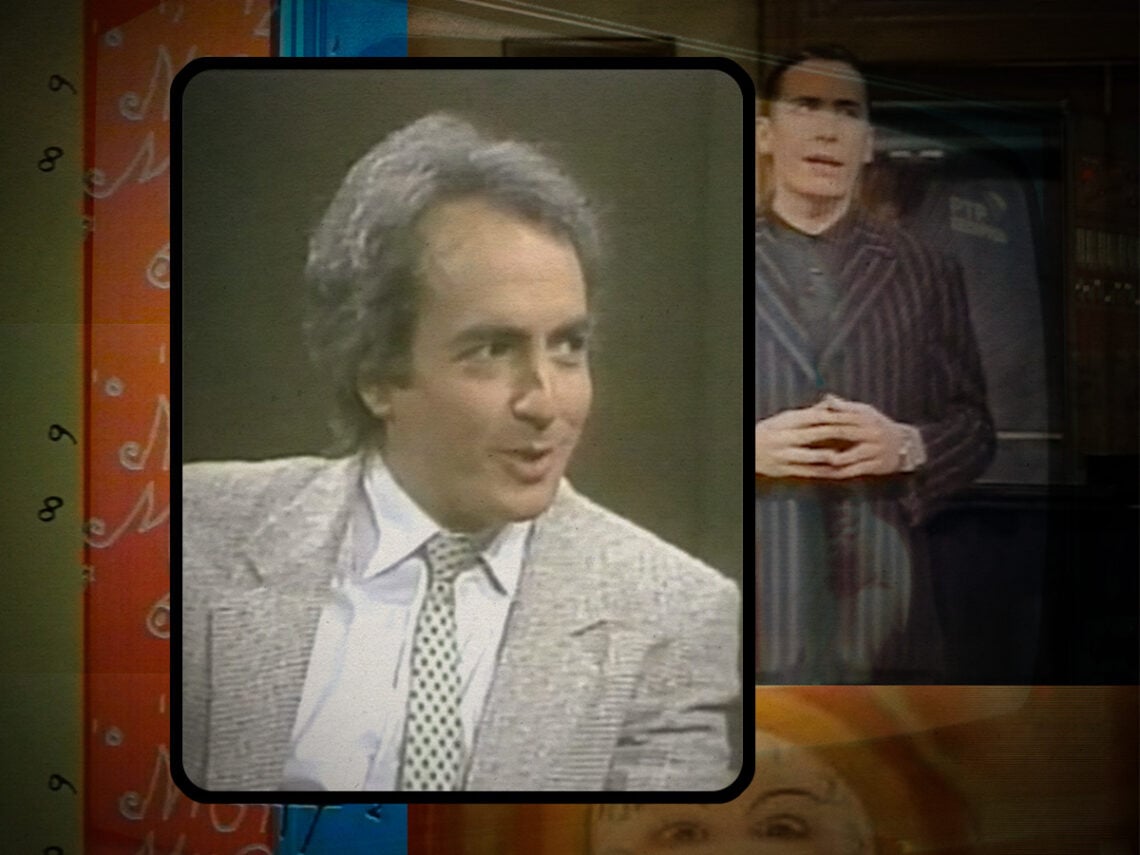
The cult legacy of ‘Sunday Night’, Lorne Michaels’ short-lived showcase of live music and unlikely mash-ups

Since 1992, nearly 500 episodes of Later with Jools Holland have aired in the UK, making it the preeminent and only surviving TV programme of its kind, an old-fashioned musical revue featuring multiple acts on one stage with no need for games or gimmicks.
While Holland himself is something of a polarising figure, revered as a national treasure by some and an awkward ‘boogie-woogie’ nuisance by others, there is no denying that any TV show that chugs along for 34 years must have some considerable artistic and cultural merit to it. This makes it all the more hard to fathom how Holland’s first foray into this field, as a co-host of the now legendary late ‘80s US TV series Sunday Night, AKA Night Music, met such a wildly different fate.
Launched in 1988, Sunday Night ran for just two seasons and 40 episodes before getting the axe at the dawn of the 1990s. What the show managed to accomplish in that brief run, however, without the aid of any DVD boxsets or reruns, became the stuff of conversational record shop folklore.
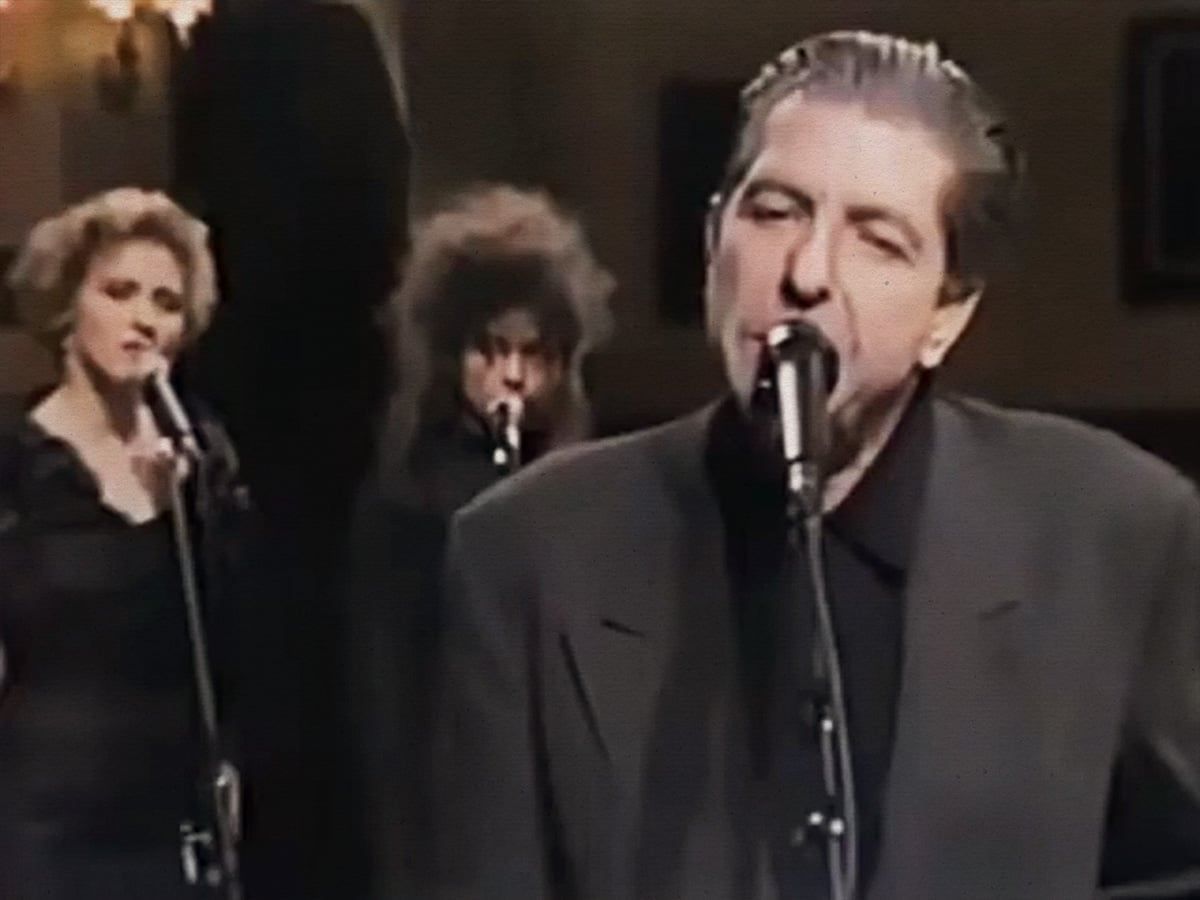
People claimed to have memories of seeing Leonard Cohen perform a haunting rendition of ‘Who by Fire’ backed by jazz legend Sonny Rollins, of Pere Ubu and Debbie Harry somehow jamming with Phillip Glass, and of Miles Davis hanging with an upstart Red Hot Chili Peppers. Someone claimed there was a single episode of this long-forgotten show in which the Pixies, Al Green, Syd Straw, and fucking Sun Ra were all on the bill!
Was it all some sort of avant-garde fever dream? Nobody was entirely sure, until YouTube came along in the 2000s, and old episodes of Sunday Night, transferred from dusty VHS recordings, began popping up online, confirming most of the mythology. This was, indeed, the most insane and varied collection of performers and mind-blowing collaborations ever put on American network television.
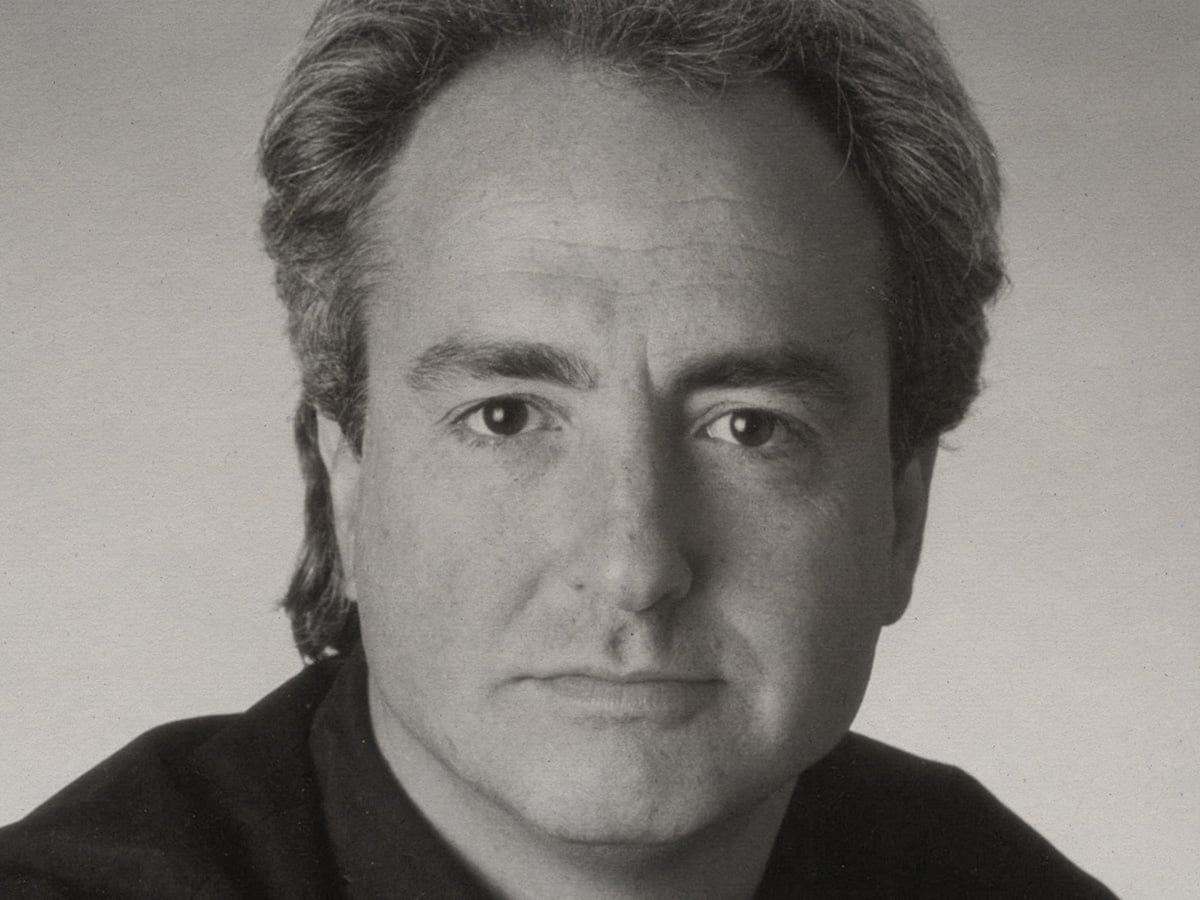
First broadcast on the NBC network in October of 1988, Sunday Night was given its original name as an intentional reference to executive producer Lorne Michaels’ other well-known weekend entertainment programme, Saturday Night Live. Dating back to the mid 1970s, SNL had always featured high-profile musical guests as part of its format, but Michaels, whose list of close personal chums included Paul Simon and Paul McCartney, was interested in putting together a separate late night show that would be fully dedicated to music; not in the trendy MTV sense, but in a live, collaborative environment a bit more like the popular music showcases of the 1960s and ‘70s.
Another New York-based producer, David Saltz, was apparently the man who got the ball rolling on the project, reaching out to former Squeeze keyboardist Jools Holland and the celebrated American jazz saxophonist David Sanborn about potentially building a new type of music show for TV.
“We kind of kicked around various ideas,” the late Sanborn told me in a 2013 interview, recalling how Sunday Night came together, “For my part, I was always very fond of a TV special that CBS had aired in the ’50s [1957’s The Sound of Jazz], where they had all the famous jazz musicians of the time in a very informal environment, kind of sitting around in a jam-session situation. You could see the cameras moving around behind them, and it always struck me that it felt like you were getting a very intimate look into what these people were really like through the way they interacted with each other. So I said, ‘Why don’t we try to take that idea of musicians playing together in a very loose environment and see where that takes us?’”
Lorne Michaels was keen on Sanborn’s concept, and the show quickly began to germinate in the summer of 1988. “The idea,” Sanborn said, “was to get musicians from different genres on the show, have them perform something individually, preferably something more obscure or unexpected rather than their latest hit, and then have a moment toward the end where everyone would kind of get together and do something collectively.”
Working in Sunday Night’s favour was an incredibly well-connected braintrust brought in by Lorne Michaels, including showrunner and former SNL staffer John Head, music director and Miles Davis collaborator Marcus Miller, famed record producer Joe Boyd (Pink Floyd, Nick Drake, REM), and SNL music coordinator and record producer Hal Willner (Lou Reed, Marianne Faithfull, Laurie Anderson). Sanborn and Holland, along with handling the hosting duties together, were also part of the booking team and, of course, members of the all-important house band for the show, which was rounded out by Miller (bass), Omar Hakim (drums), Philippe Saisse (keyboards), and Hiram Bullock (guitar).
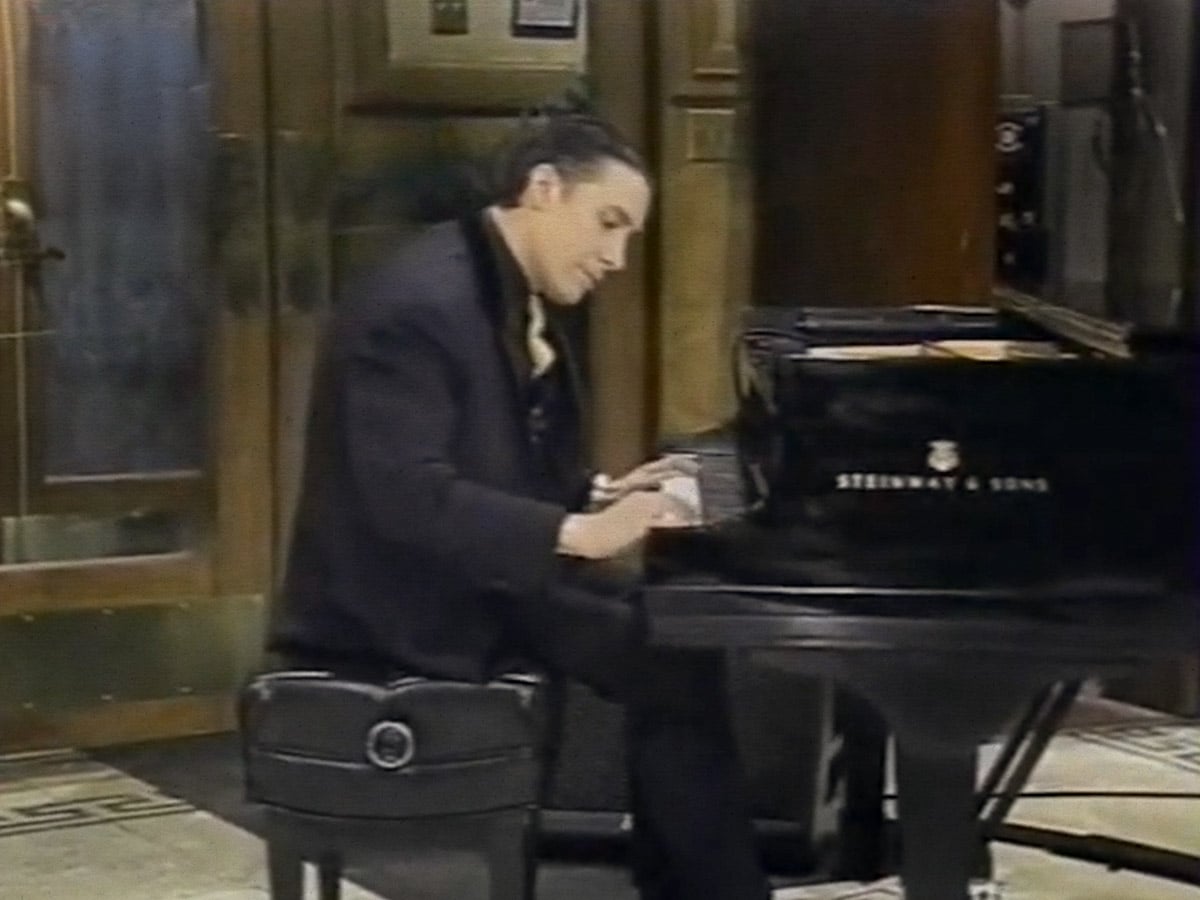
“I had worked for American television before,” Jools Holland told the Times-Union in 1989, “and I found it too conservative and too easily dictated by public taste. I didn’t really like it and didn’t want to get involved again, but then I met the people working on Sunday Night. I couldn’t resist.”
“We’d have a wish list of musicians,” Sanborn later explained, “and then we’d go down the list and try to put together what we thought would be an interesting show, an interesting mix of people, and then tried to contact those people. And for the most part, everybody said yes. I think some of it had to do with the fact that Lorne Michaels had and has a great amount of prestige in the television business. That was a tremendous draw.”
Sanborn and Holland, and the rest of the Sunday Night team, certainly had the ability to go out and recruit A-list names to try and improve the show’s middling ratings in its first season, and they pulled in their fair share: James Taylor, Mavis Staples, Dizzy Gillespie, Mark Knopfler, Randy Newman, Lou Reed and more. The glory and arguable downfall of the programme, though, was that it was a music show created by musicians, and the driving goal was always to put together the most artistically exciting and unpredictable show, rather than the most marketable one.
“We haven’t had too many pop stars on,” Holland acknowledged toward the end of the first season in 1989, “If, say, Madonna wanted to come on and sing a duet with Ella Fitzgerald, I suppose we’d do that. But if she just wanted to come up and sing her hits, well, we might not.”
Sunday Night’s comparatively open-door policy to lesser-known high-brow and avant-garde artists earned the show a lot of respect from critics and a growing allegiance from the music snob community, but the typical NBC viewer, including SNL fans, wasn’t tuning in on a regular basis. This led to a format change for season two, as a new sponsor, Michelob, was brought in, along with a fresh syndicated broadcast deal and an updated title: Night Music. Jools Holland was also nudged out, making Sanborn the sole host. Three years later, it was Holland who tried the whole idea again across the pond, to considerably more success.
Meanwhile, Sunday Night limped through its second and final season despite another incredible line-up of guests and unlikely mash-ups: Stevie Ray Vaughan and Pharaoh Sanders; Todd Rundgren and Taj Mahal; Sonic Youth and the Indigo Girls; Nick Cave and Charlie Haden.
“We taped two shows a week,” Sanborn said, “We would rehearse early in the day and then do the show. It was pretty quick. Everybody came on and played with the house band, so you had to be prepared”.
On occasion, the collaborative part of the show was intentionally booked for maximum fascination or potential danger, perhaps most famously when the old country crooner Conway Twitty was paired up with the bonkers performance art collective The Residents, dressed as giant eyeballs.
“That was a pretty interesting moment,” Sanborn recalled with a chuckle, “The guy from Michelob was there and came up to us afterward and said, ‘What was that?!’ But I must say that everybody was really game to try new things. I think that’s indicative of the kind of spirit that most musicians have. Most musicians are really eager to try new things, and experiment, and learn, and step out of their respective areas and take a chance every once in a while. The fact that they were able to do that in the context of our show was just great.”
Sunday Night / Night Music was cancelled in 1990, and while its reputation grew and turned into something of a cult classic over the ensuing decades, the legal obstacles involved in trying to clear all the music for a proper box set or remastered album compilation have kept it mostly still relegated to the dusty corners of YouTube. Fans of the many artists who appeared on the show still stumble upon old clips thus, often shocked at the diversity of great music packed into each episode.
David Sanborn died in 2024 at the age of 78, leaving behind a 50-year catalogue of his own music as one of the most in-demand sax players of his generation, and while Sunday Night represented a very brief period in his career, he was never bothered if fans wanted to discuss it with him.
“It’s very gratifying to have people come up to me, a lot of musicians, in particular, and say how meaningful that show was for them,” he said, “I think having that legacy and sense of accomplishment is tremendous, and I’m really grateful that I had a chance to be a part of that.”
