


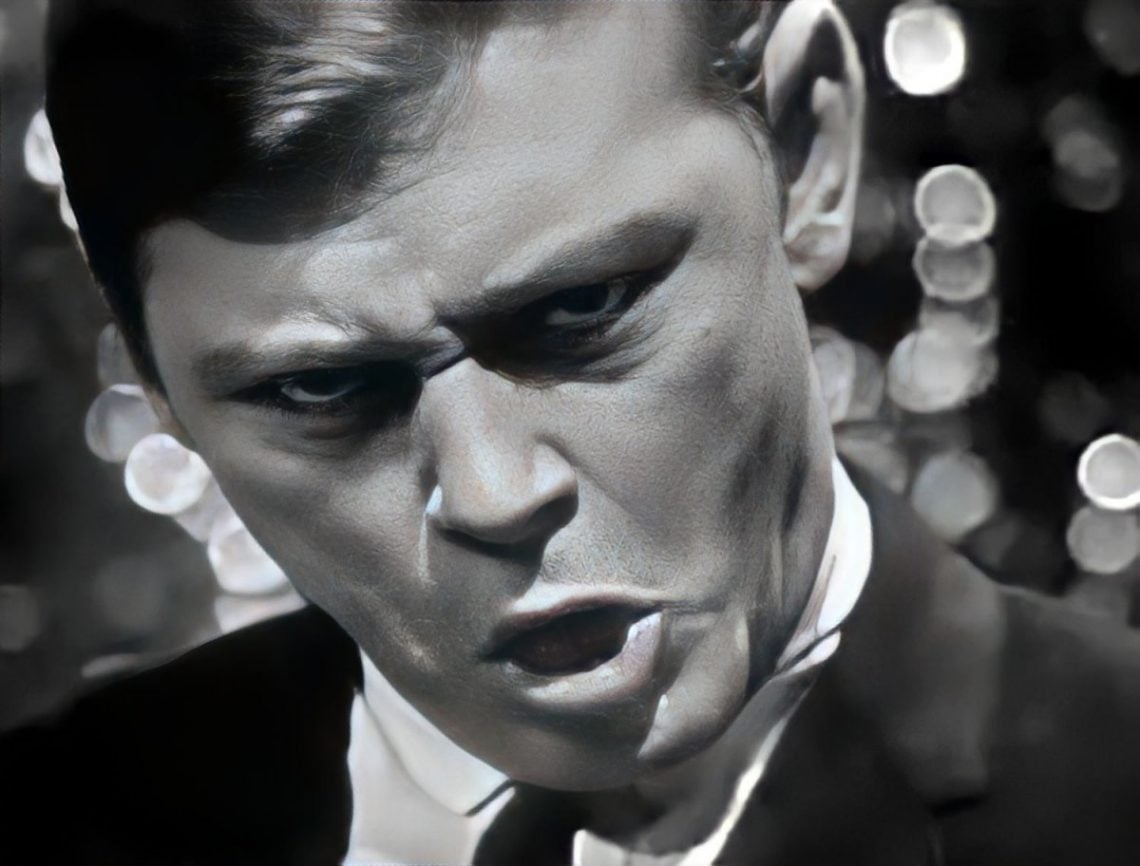
The classic song the BBC banned for being “too morbid”

As a society, we love things that scare us. The morbid, weird and eerie have made up a significant portion of the arts since the dawn of time, as intrigue clearly sells. From gothic themes in music and literature to horror films, frightening elements are everywhere, and it’s a trend that will never stop. Whilst there are many notable aspects of this, including Black Sabbath, Siouxsie and the Banshees and the Saw films, there is one scary piece of art that we love more than the rest.
This is Bobby “Boris” Pickett’s 1962 novelty song, ‘Monster Mash’, which is played worldwide every year around Halloween. Written in less than an hour, it became Pickett’s most famous track and etched him into the history books. Although for 60 years it has been one of the ultimate horror songs, it transpires that not everybody loved it upon release.
The story goes that Pickett was an aspiring actor but also doubled up as a frontman of a Massachusetts band, The Cordials, at night. It was he and his bandmate Leonard Capizzi who wrote the track with the intention of cashing in on the dance crazes of the time, The Mashed Potato, which was popularised by James Brown, and The Twist, Chubby Checker’s signature move.
Capizzi was acutely aware that Pickett could do a perfect impression of the iconic horror actor Boris Karloff and so he prompted him to use it in their song. Duly, they also filled it with horror imagery that includes Zombies, Dracula and the Wolf Man. Famously, the pair recorded the song with a band of musical heroes that included the likes of Leon Russell and Mel Taylor of The Ventures, cementing its classic status.
Despite the pair being delighted with the result, some hated it, including the BBC. The broadcasting corporation has always had a penchant for banning tracks, and not long after it was released, ‘Monster Mash’ found itself slapped with a ban for being “too morbid”.
However, the BBC’s efforts to thwart the song were in vain. The ban only helped to create more of a buzz around it, with it becoming notorious for its scary themes. It went straight to the top of the American Billboard chart just before Halloween that year, but it wasn’t done there. , the BBC finally repealed their ban after the track enjoyed a resurgence in the UK in 1973 and went to number three in the charts.
