


The classic rock band that weighed Mark Knopfler down: “A swimming pool with lead weights”

Mark Knopfler’s name rarely appears in the history books of rock and roll controversy. Well-known as a master guitarist and keeper of relationship peace, he’s avoided the nastiness of classic rock’s booze-addled, he-said, she-said culture.
His remarkable technical ability on the guitar led to Dire Straits becoming a household name in the 1980s and won him plenty of contemporary admirers within the music industry. In fact, legendary Pink Floyd guitarist David Gilmour once said: “Mark Knopfler has a lovely, refreshing guitar style. He brought back something that seemed to have gone astray in guitar playing”.
He continued, “These days, I don’t listen to other people with the objective of trying to steal their licks,” in reference to the musicianship of Knopfler, “Although I’ve got no objections to stealing them if that seems like a good idea. I’m sure that I’m still influenced by Mark Knopfler.”
It’s hard to comprehend that someone so accomplished in the studio would hinder any creative progress. Even for a band like Steely Dan – who have garnered a fierce reputation for being cynical perfectionists whose hyper-focused outlook on sonic details has created rather fraught studio environments – Knopler’s calm but skilful nature would be a welcomed addition. One would be forgiven for thinking that the fact Steely Dan broke their unspoken rule and recruited Knopfler into the studio, despite the fact he couldn’t read sheet music, spoke to their wider admiration for him as an artist and keenness to mould their methodology to make it work.
However, when the New York yacht rockers recruited the Dire Straits guitarist for a solo on their track ‘Time Out of Mind’, the limits of Steely Dan’s pursuits for perfectionism were reached and the recording session became somewhat of a morale-destroying nightmare for Knopfler. Despite his clear guitar-playing proficiency, Steely Dan leaders Walter Becker and Donald Fagen were quick to criticise Knopfler’s efforts. At one point, he recorded over ten hours of guitar, but Steely Dan only used 15 seconds in the song’s introduction in the final cut.

For Knopfler, the session highlighted just how exacting Steely Dan’s process could be. Accustomed to a more fluid and instinct-driven approach, he found himself navigating a level of scrutiny where even strong performances were endlessly revisited, dissected and often discarded in pursuit of something marginally better.
That contrast in working styles ultimately defined the experience. While Knopfler brought nuance and feel to his playing, Becker and Fagen were chasing microscopic perfection, valuing precision above all else. The end result may have been polished to their exact standards, but it came at the cost of a process that felt, to the guitarist, unusually rigid and unforgiving.

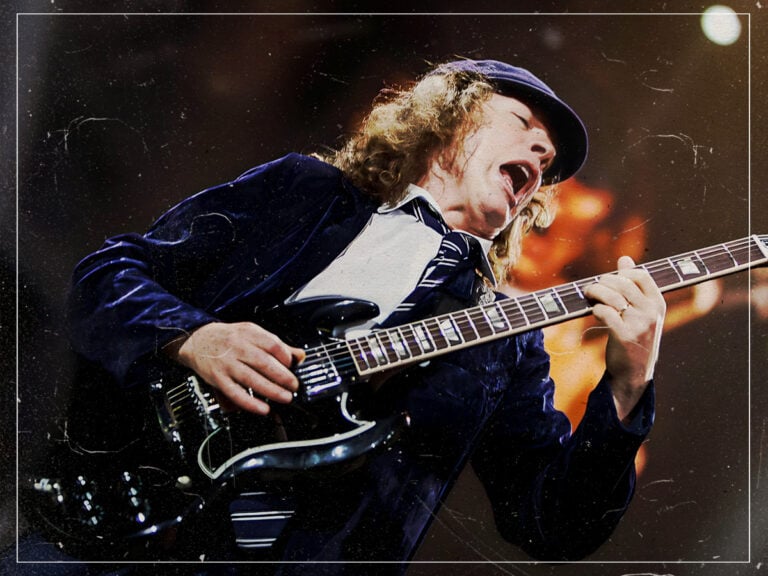
“It was a strange experience,” Knopfler recalled in Steely Dan: Reelin in the Years, “Like getting into a swimming pool with lead weights tied to your boot.” When asked about Knopfler’s thoughts, Becker responded, “I think he definitely felt that because he would play something and it was OK, then we’d like it later”.
In Steely Dan’s defence, it wasn’t just Knopfler who received the exhaustive treatment. Three years prior to the release of their album Gaucho which featured Knopfler’s contribution, they recorded their acclaimed album Aja featuring the song ‘Peg’. During the recording process of the song, session musician Jay Graydon was put to the sword and subjected to a monster six-hour recording before filing something that was to Fagan and Becker’s taste.
Recalling his contribution, Graydon told Newsweek that his sole instruction was to “play the blues”. He continued, “The whole thing probably took about four, five hours. Including taking some breaks. They knew they were onto something”.
Despite the arbitrary introductory instruction, Graydon was soon exposed to hyper-detail methodology that existed within the band’s process that caught multiple session musicians in its crosshairs: “A band would come in and record and two hours later Becker and Fagen would look at their producer, and say, ‘Fire this band. Let’s go with somebody else tomorrow night.’ It’d be different bands every night to get the same song”.
