


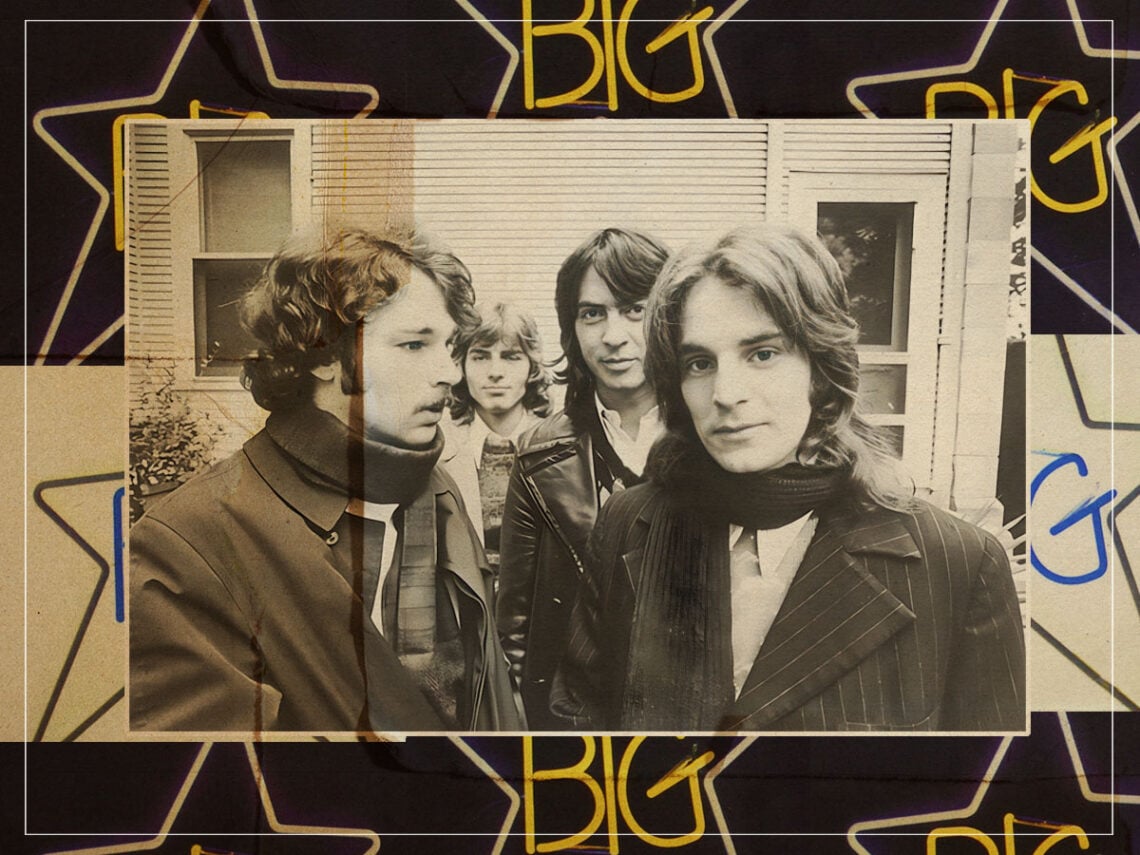
‘#1 Record’: the classic album lost to history

Every artist needs to have a certain level of confidence before having a proper record in the can. No one gets to where they are by being merely good, and as long as someone has enough persistence, there are bound to be some people who are willing to give them a shot in the mainstream. Although having the gall to name your band Big Star is already tempting fate, #1 Record was the pop-rock album that deserved every bit of adulation that the title should have implied.
Because right as rock and roll entered the 1970s, things had started to get a little bit pretentious. As much as Jimmy Page liked to strut his stuff up and down the stage and Steven Tyler swung his microphone with reckless abandon, there was no real reason to believe that rock and roll was suddenly a genre being made by musical gods. This was still a fun style of music, meaning that power-pop was about to infiltrate the mainstream.
Although the era of Aerosmith and Led Zeppelin would be replaced with acts like Van Halen, the power-pop brand of rock and roll was still alive and well. Before he even joined Van Halen, Sammy Hagar’s solo career was what power-pop was all about, and with the emergence of acts like Cheap Trick and The Cars, Big Star should have fit right in.
Looking at what Chris Bell and Alex Chilton could do with their songs, this was as close to an American successor to the early Beatles as the decade got. Some of their songs could feel a bit twee, and before it got used as the de facto theme song for That ‘70s Show, ‘In The Street’ was still one of the greatest American rock and roll tunes from that time.
Standing at a little over half an hour, #1 Record defines what a pop-rock album should sound like. It has the dangerous side of tunes like ‘Give Me Another Chance’, and ‘Thirteen’ might be one of the single most innocent tunes that the decade ever spat out, as Chilton talks about a hapless kid trying to get him and his girlfriend tickets for a school dance.

There are even a few spare acoustic tunes in the mix like ‘Watch The Sunrise’, but the true mark of their power is ‘The Ballad of El Goodo’. Whereas all the other songs felt like a precursor to what Ric Ocasek would finetune, there isn’t a note out of place on this song, even managing to give some of The Beatles’ best choruses a run for their money whenever those layers of voices come in.
But that wasn’t what Big Star was meant to be. After a decent follow-up, Radio City, they bottomed out after their album Third and hardly saw the light of day for years. And with the tragic passing of Bell a few years after they disbanded, there was no chance that initial magic would ever be kindled again.
Then again, they don’t need to have that same spark when they already made it perfectly the first time. Looking at how power-pop shaped up, everyone from Weezer to Fountains of Wayne to The Fratellis has taken bits and pieces from what Big Star has done, usually being far more concerned with writing a tune with the perfect hook instead of going along with whatever was trendy at the time.
Big Star had set their sights on being somewhere along the lines of The Beatles, but given their tragic history and inability to capitalise on everything, they would have to settle on being the latest iteration of Badfinger. Still, #1 Record is miles better than anything that Badfinger ever did, and with years removed from its release, anyone who has ever sat down with a guitar and tried to put a decent chorus together owes it to themselves to use this record as a blueprint for how to finetune a great song.
