


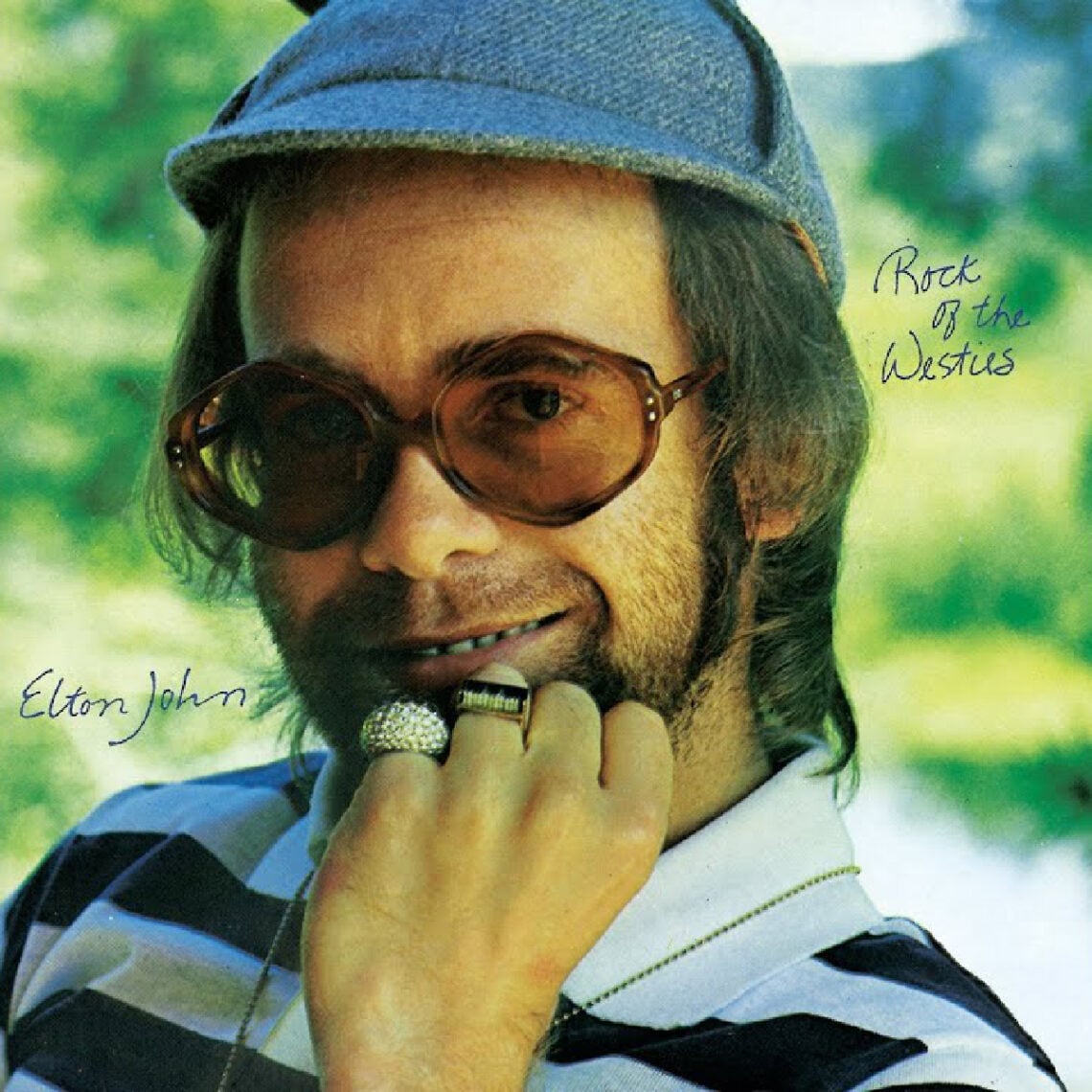
The classic 1969 hit that earned Elton John just £12

We all know that for most artists, there’s not as much money to be made in music as there could or should be.
Sure, for those who know how to manipulate and exploit their fanbases and bleed them dry for every penny they have (here’s looking at you, Taylor Swift), there are literally billions of dollars to be made from the market.
Other industry figures such as Daniel Ek, Gustav Söderström (Spotify), Saumil Mehta (Ticketmaster), Eric Baker (Viagogo) and Hjalmar Winbladh (Epidemic Sound) and countless more are all laughing their way to the bank while plenty of the artists that they exploit in order to earn their millions can barely even pay to support their own studio time, tours, equipment needs or dreams anymore.
It’s no secret that streaming has had a complicated and contentious history with royalty payouts (and I’d urge everybody to read the excellent and exhaustive Mood Machine: The Rise of Spotify and the Costs of the Perfect Playlist by Liz Pelly in order to better understand the ways that streaming has impacted the musical landscape), but other areas of the industry that used to generate revenue for artists are also stalling and falling lately, as well.
I recently spoke to an artist who made just £34 in royalties for having one of his songs featured in an episode of Love Island UK, while another I know had received a quarterly payment from PRS of around £50 as a result of the national radio and in-store playlist airplay. Again, it’s a different world for those at the top of the food chain. During my time with one of the major music publishers, the top artists could command fees into the six figures for the use of their music in films and adverts, with one song even commanding over £1million for a single such usage.
But this kind of imbalance in the industry is nothing new, and neither is the phenomenon of some artists fighting to just stay afloat as others are hoisted up onto luxury yachts and private jets. It wasn’t uncommon for the white businessmen in the early history of the music industry to exploit the poorer and less business-savvy Black artists they’d work with, and it never really stopped, either. Whether it’s been labels, publishers, booking agents or managers, artists throughout history have always been seen as easy marks by those who are more interested in the industry than they are in the music.
Bob Dylan, Elvis, Leonard Cohen and countless others suffered from the greed and manipulation of their managers, while Courtney Love sued her label, Universal, exposing the imbalance in the power dynamic between label and artist. Hole had generated around $40m in revenue for Universal, yet Love claimed that her group had only seen $2m of that in royalties.

That was a lot more than Little Richard made when Speciality Records offered him an insulting $50 for the rights to his new song, ‘Tutti Frutti’. Richard, though, took the money. Following the buyout, he was not able to claim any royalties against the track either, which peaked at number two on the charts upon release, selling into the millions and earning a similar amount for the label.
But even that measly $50 was more than Elton John was paid for his early work playing piano with The Hollies in 1969. You can hear him at the keys on their ‘He Ain’t Heavy, He’s My Brother’. It might not be one of the primary focal points of the track or in the mix, but the song wouldn’t feel the same without it. Without John’s cascading notes, which would go on to sound so iconic in things like ‘Your Song’, ‘Rocket Man’ and ‘Tiny Dancer’, the song would have a lot less emotional impact and textural richness.
The track was a top ten hit in both the UK and the US, and must have earned everybody involved a small fortune, except for Elton John (at the time, still only known as Reginald Dwight), who was paid a flat rate of £12 for his services in the studio and didn’t see a further penny. Still, things seemed to turn out all right for him in the end, financially speaking.

Never Miss A Tale
The Far Out Classic Rock Newsletter
All the latest Classic Rock content from the independent voice of culture.
Straight to your inbox.