


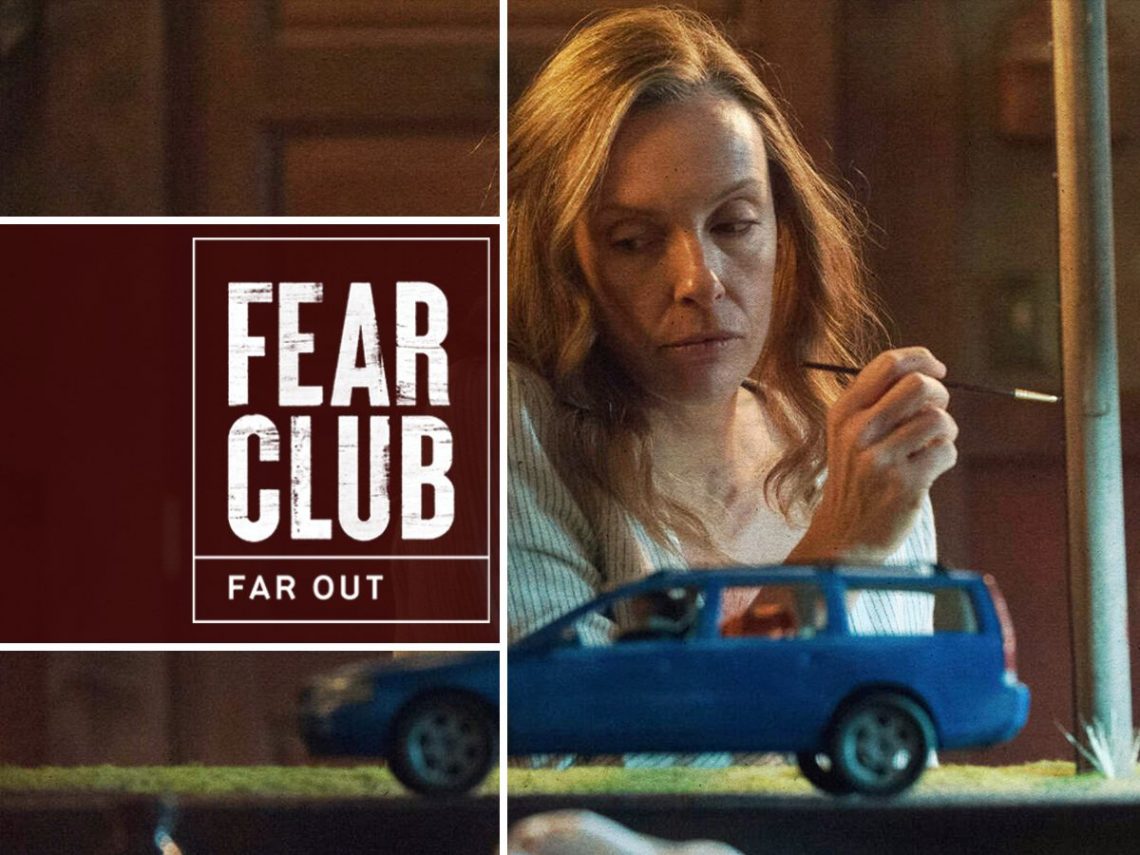
The case against Ari Aster’s ‘Hereditary’

Arriving on the horror movie circuit in 2018 with all the power of someone who has been fully possessed by Pazuzu, Ari Aster’s Hereditary quickly became known as ‘this generation’s The Exorcist’. Indeed, many modern horror viewers would believe Aster’s film to be as good as William Friedkin’s classic, but this marketing line is somewhat misleading, doing more harm than good to the impressive contemporary terrifier.
Careful, measured and artistic, Aster’s modern horror classic accesses a deeper plain of consciousness, playing on fears we never even knew we had, boxing this terror together with ingenious use of cinematography and sound. Well, this is true of the first half an hour at least. Whilst the film’s first act lives up to the hype, the remainder of the movie frustratingly falls back into the comfort of convention, thinking that it’s done enough to win over the audience.
Most movies save their killer blow for the final moment of the third act, bookending the film with a shocking revelation or definitive emotional marker. But, Hereditary is no normal film, and Aster is no normal director, placing the movie’s most horrific moment at the end of the first act, making way for a film that deals with grief, loss, regret, emotional torment and mental illness. It’s an ingenious decision that leads to one of the greatest horror scenes of the 21st century.
Everything that leads up to the decapitation scene, in which Milly Shapiro’s Charlie gets her head taken clean off whilst gasping for air outside the window of a speeding car, is pure brilliance. This is helped by the performance of Alex Wolff as Peter, Charlie’s brother, whose immediate shock and terror after the incident is replaced by harrowing grief, giving legitimate gravity to the visceral event.
The problem is that everything after this admittedly groundbreaking scene of horror cinema is simply underwhelming, with Aster unable to sustain the dread that burrowed into the skin like a dogged thirsty tick in the first act.
Lacking the deeply-injected sense of terror that existed in Friedkin’s Exorcist or the patience of Stanley Kubrick’s Shining, Aster’s film is undoubtedly special, but it lacks the true originality and vigour to be an all-time great. Instead, the film deserves to be compared to such competently made modern flicks as David Robert Mitchell’s It Follows or Luca Guadagnino’s remake of Suspiria.
Once the panic of the inciting incident has calmed down, the film is unsure of where to turn, crowbarring in Ann Dowd’s Joan as a generic paranormal-obsessed character who attaches herself to the rational lead character Annie (Toni Collette). Whilst both actors do as much as they can to ground the situation, with some terrific performances, the relationship between the two characters is simply too coincidental and unbelievable to work.
Such makes much of the final two acts a tough watch, with the film abandoning the ingredients of what made it so great in the first place to pursue a run-of-the-mill possession tale in which Annie’s character is crawling around the ceiling with aimless terror.
Whilst much of Aster’s Hereditary can be celebrated as an exemplary piece of genre cinema, it should not be seen as the second coming of The Exorcist or any other classic like it.
