


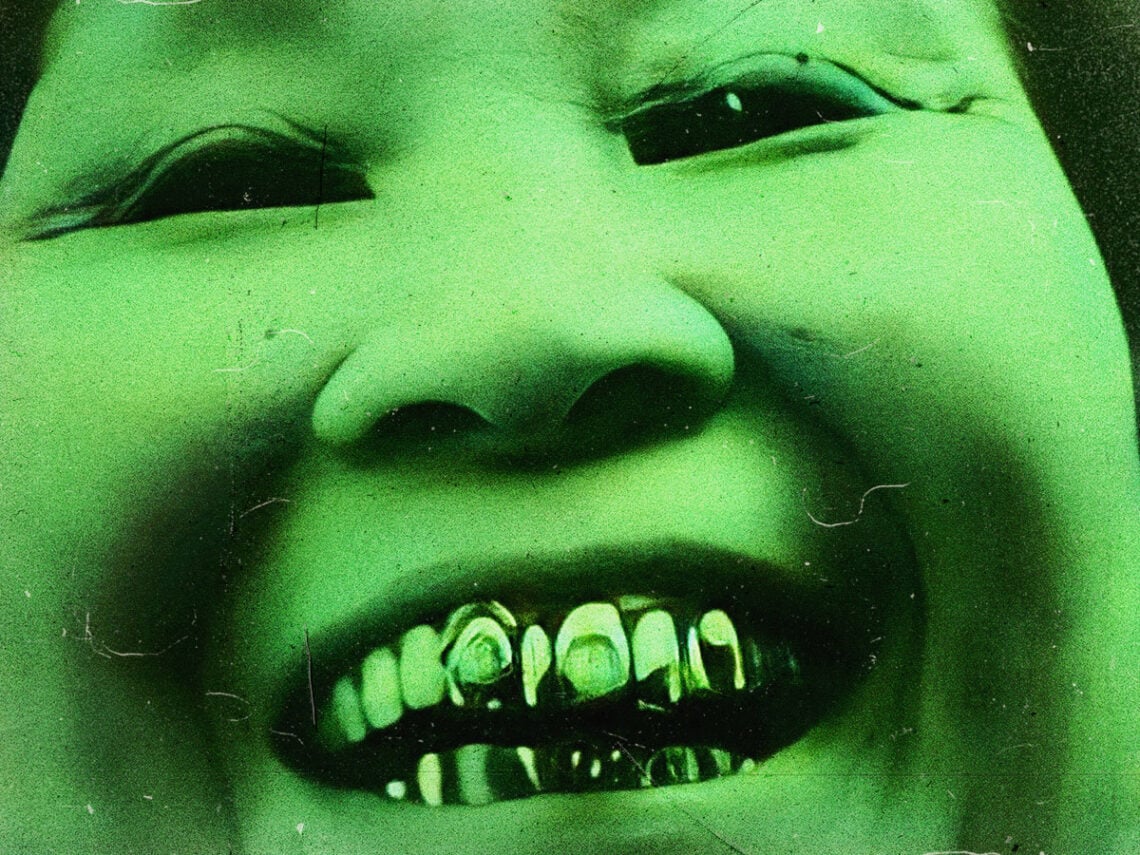
‘The Cage’: Shūji Terayama’s hallucinatory fantasy

Throughout history, there are some artists whose works have managed to achieve greatness across different mediums. Japanese pioneer Shūji Terayama should undoubtedly be included in that small category, known for his incredible cinematic projects as well as his avant-garde poetry and theatrical works in addition to TV, radio and critical contributions. That’s exactly why he’s widely cited as one of the most important figures of the 1970s, whose art had a crucial impact on the cultural landscape of Japan.
Among the pioneers of the Japanese New Wave, Terayama was dedicated to the avant-garde since the very beginning of his artistic career. As the New Wave gathered significant momentum during the ’70s, Terayma made multiple seminal feature-length masterpieces such as Throw Away Your Books, Rally in the Streets and Pastoral Hide and Seek, which continue to be referred to as some of the most influential Japanese films ever made.
Despite the fact that a lot of critical attention is directed towards Terayama’s contributions to the radical art that emerged during the ’70s, his artistic output from the 1960s is also pretty fascinating. In addition to the independent theatre troupe called Tenjō Sajiki he founded in 1967, Terayama also ventured into cinema by making short films. Although one of them (Catology) is considered to be lost now, Terayama’s enigmatic 1964 work The Cage has been perfectly preserved.
Those who are familiar with the unique chromatic frameworks and experimental fervour Terayama incorporated in his later features like Throw Away Your Books, Rally in the Streets will immediately connect with The Cage. Presented in an overwhelmingly bleak vision composed with shades of green and black, it’s a strange philosophical meditation on human civilisation and our inescapable, oppressive and complex relationship with time.
Through surreal images of a human sundial, a confused goat, a dancer who seems possessed and homoerotic shots of body builders, Terayama constructs a non-verbal experience that somehow manages to convey the sheer horror of being trapped in time. While the subject itself has been explored by countless artists before him, the Japanese auteur’s work is strikingly original because of his singular approach to the visual language of cinema.
Due to the rhythmic nature of the editing and the soundtrack used by Terayama that almost sends audiences into a trance-like state, there’s a fluidity to The Cage that mimics the passage of time while also reminding us of its monotony through repititions and recollections. It’s an important minor work that establishes Terayama’s experimental ideals, proving that he had been prepared for the artistic revolutions of the New Wave for a long time.
Watch the film below.
