


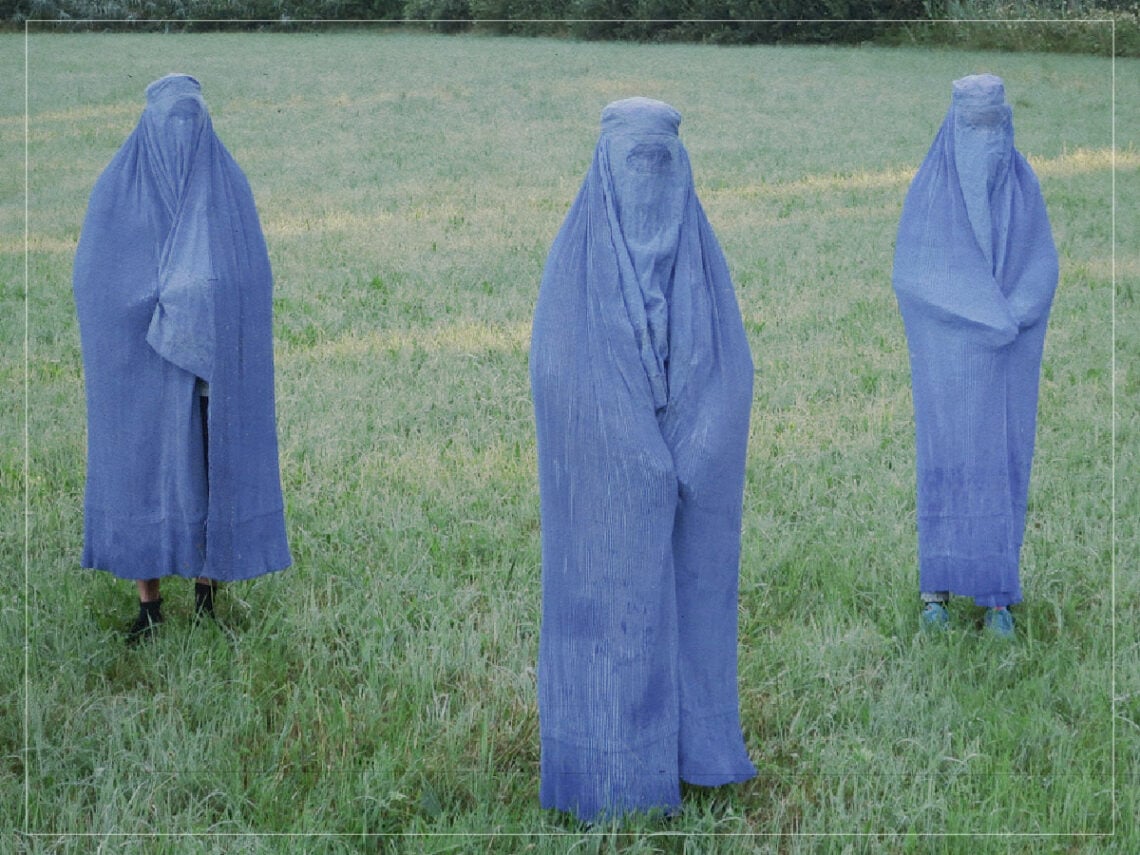
The Burka Band: The anonymous female rebels from Afghanistan who defied the Taliban

The stories of women rebelling against the Taliban, in places like Afghanistan, are ones that are seared into minds and memories from the second they first emerge.
When Malala Yousafzai was shot by the Pakistani Taliban in 2012, she rightly became a symbol for women’s rights and education all over the world, a position from which she has never backed down. But that is the tale of just one iconoclast beacon. Beneath the surface, there are far more rebelling unsung heroes than what meets the eye.
The Burka Band represents just one example of this, blazing against the Taliban in Afghanistan all through the power of music. This is a place where women’s freedoms are restricted beyond belief; where this section of society does not often even have an identity, not least a voice. The image of an all-female band in music, therefore, is one of the strongest rebellions you can get.
The indie rock band formed in Kabul in 2002, with this timing being critical in the wider geopolitical context of the world at that time. This was only the year after the Taliban government had been overthrown in the country in the aftermath of the 9/11 attacks, and although the regime wasn’t in power in the strictest terms, their wrath remained as their power regrouped all across Afghanistan.
As such, the Burka Band’s bolting out of obscurity at this time was perhaps the most important message that could be made: fear and oppression were tightening their grasp again, but these women would not go down without a fight. However, it should go without saying, this bold and blazing position was one that came, by its very nature, fraught with the most dangerous of risks.
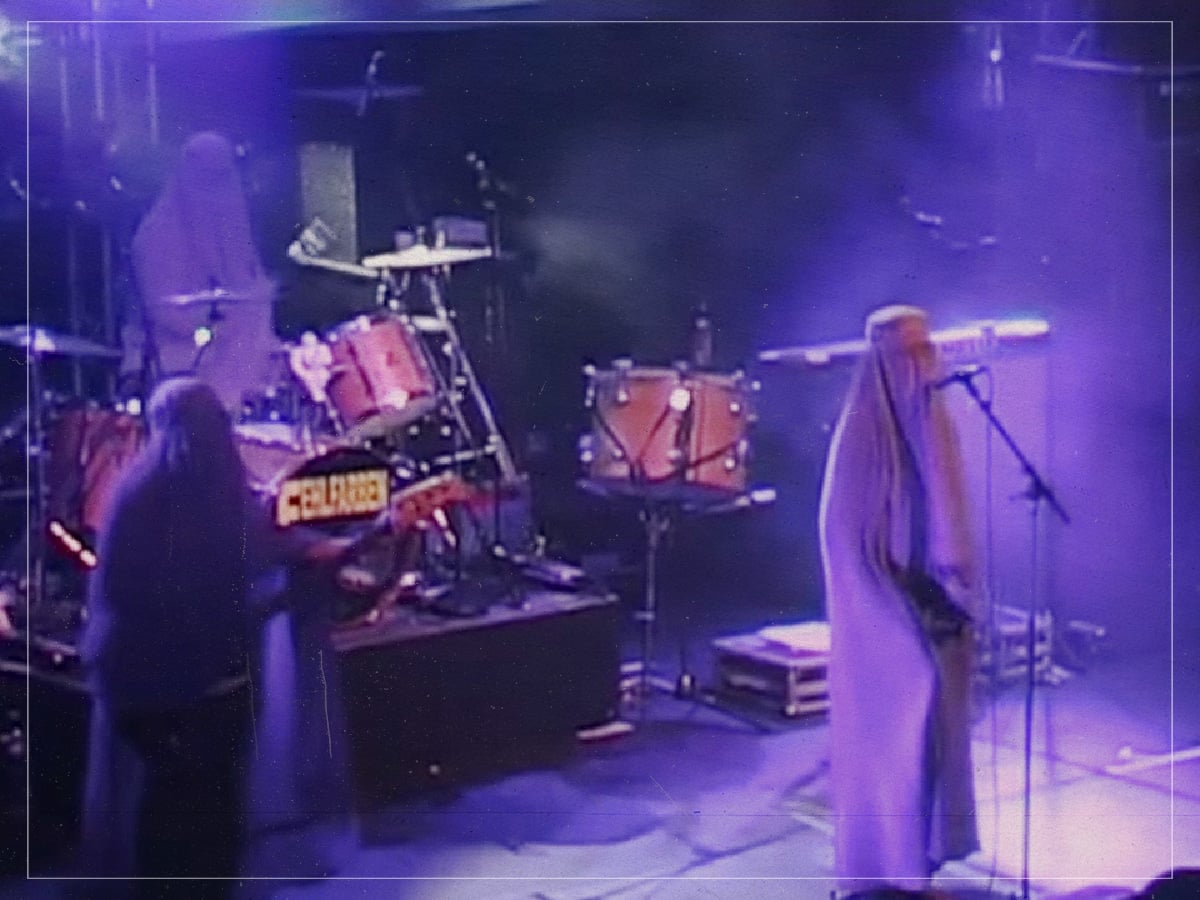
It is for this exact reason that all the members of the band have remained permanently anonymous, performing only while wearing blue burqas. There are two important things to note behind this: the first being that the wearing of the burqa in itself is a rebellion against the Taliban’s rules on Islamic dress for women.
The other vital facet of this is the colour blue and all the symbolism this creates. The specific shade, known as ‘shuttlecock’, is native to Afghanistan and has come to be hugely synonymous with the culture of the country. The colour is no coincidence – it’s a celebration and honour towards the identity and people the Taliban are trying to erase.
The Burka Band rose to some level of prominence, primarily across the European continent, throughout the 2000s, and even completed a tour of Germany at one point in time, but the band has not been active in many years now, raising both questions and fears about what could have potentially happened to them in that time.
There were loose and unconfirmed reports that the lead guitarist of the band may have moved to Pakistan in pursuit of her own musical ambitions, but with no concrete leads to follow and no whisperings from any of the other bandmates, there is currently nothing to go on.
With the identities of the band being completely anonymous, it is nigh on impossible to trace any of their whereabouts and what they could be doing now, let alone why they have seemingly given up on their endeavour. For the most part, it is likely to remain one of music’s greatest unsolved mysteries.
