


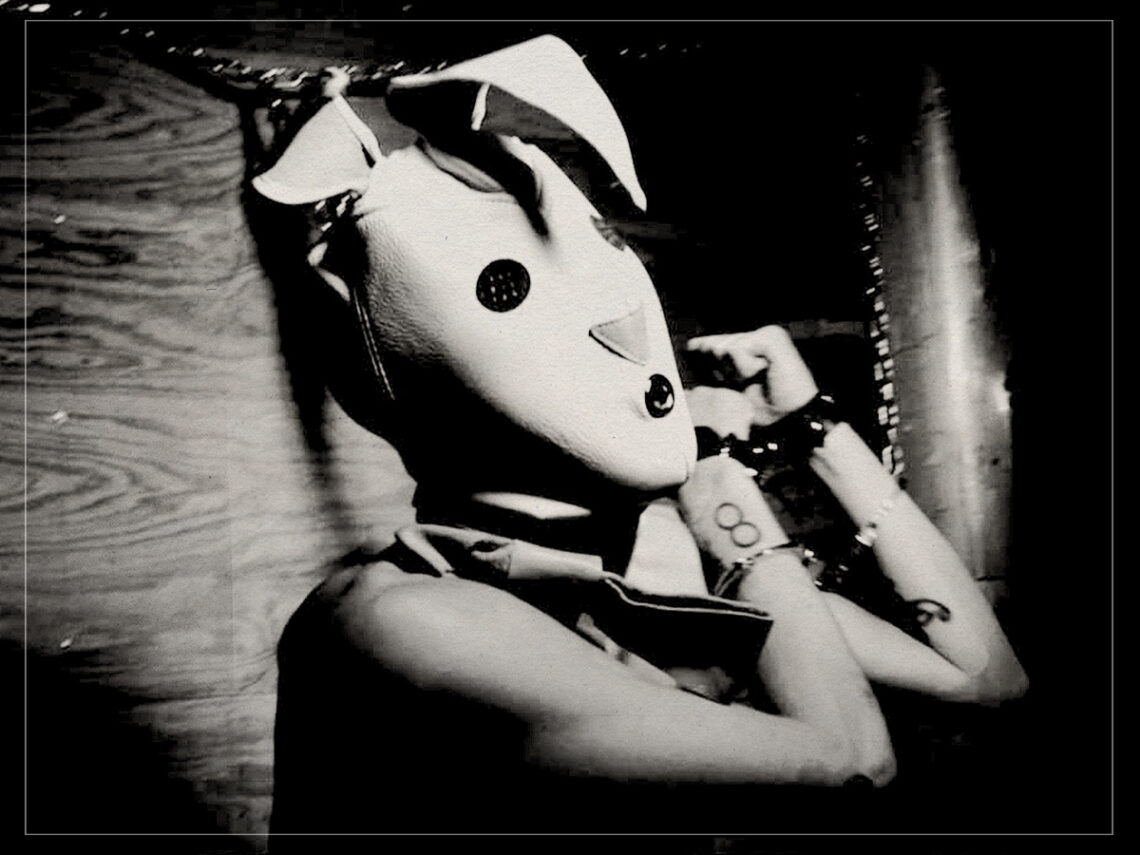
‘The Bunny Game’: The modern-day video nasty that is still banned in Britain

The definition of government overreach hinges on political and ideological beliefs, but when it comes to the moral panic of the video nasties, we can all be pretty united in the understanding that it was patently ridiculous. During the 1980s, a group of hardworking, self-proclaimed activists aggressively encouraged the government to crack down on unrated movies that were being distributed on VHS tapes. Although all films had to receive a rating from the British Board of Film Classification (BBFC) in order to earn a theatrical release, a loophole allowed ones that were too provocative to be shown in theatres to be released on home video.
As a result, movies like Bay of Blood and Cannibal Holocaust were available to the British public, even though the BBFC had refused their release. Conservative activists started to blame the uptick in violent crime on these films rather than, for example, the Thatcherite politics that left a sizable portion of the population without a safety net. This was a convenient scapegoat for the government, which immediately got to work passing the Video Recordings Act 1984.
The law required all films to pass through the BBFC before being released on video. Some films, including Night of the Living Dead and Dario Argento’s Suspiria, were banned from home video even though they were cleared for cinematic release due to the concern that videotapes would be more readily available to children.
These days, the list of video nasty movies is treated more like a curated watchlist than a compendium of unspeakable horrors, but the BBFC can still deny a movie a theatrical release if it deems it to be beyond the pale. Such was the case with the 2011 horror movie The Bunny Game.
Directed by Adam Rehmeier, the film follows a prostitute (Rodleen Getsic) who is kidnapped by a truck driver (Jeff F Renfro), stripped naked, and subjected to horrific acts of sexual and psychological torture. That’s pretty much the entire movie. It isn’t a grisly tale of triumph over evil or a character study of either the victim or the serial killer. It’s just 76 minutes of punishing violence.
The film has earned its reputation as a snuff film. Although Getsic is credited as a co-writer, everything on-screen was unscripted. The actor fasted for 40 days to attain the gaunt, starved frame of a kidnap victim, and the violence, though probably not quite as horrific on-set as it looks in the black-and-white cinematography, took place in the real world.
In refusing to classify the film, the BBFC pointed to the fact that the film depicts the prostitute’s sexual torture as titillating. “The principal focus of the work is the unremitting sexual and physical abuse of a helpless woman, as well as the sadistic and sexual pleasure the man derives from this,” it wrote, adding, “The lack of explanation of the events depicted, and the stylistic treatment, may encourage some viewers to enjoy and share in the man’s callousness and the pleasure he takes in the woman’s pain and humiliation.”
While this could be read as yet another example of the BBFC pandering to conservative activists who think that movies can inspire a mass outbreak in crime, it is also true that The Bunny Game frames the torture of the female victim in salacious detail without making a broader point. The BBFC said that it considered releasing the film with edits but that the violence was so pervasive that there was no way to excise enough of it. As a result, it labelled the film “unacceptable to the public”.
