


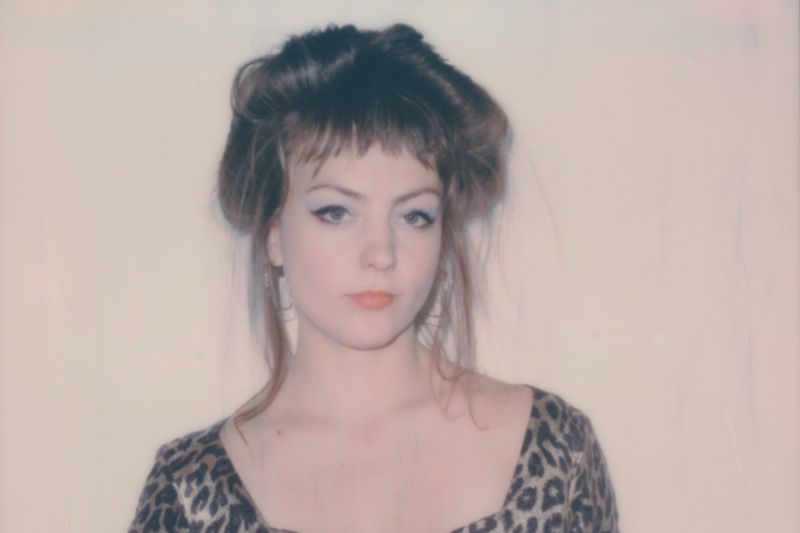
The Brian Eno album that changed Angel Olsen’s life

Angel Olsen has enjoyed a steady rise to alternative stardom over the past decade, with six studio albums, multiple EPs, and compilation albums to her name. After releasing her debut EP, Strange Cacti, in 2010, Olsen has continued to blend folk, alternative rock, Americana, art pop and country influences with her hypnotic voice. But for every star-studded career, there must be a crucial turning point, and for Olsen, that point came thanks to a record by the musical pioneer Brian Eno.
During high school, Olsen frequently attended punk and noise shows, which inspired her to create alternative music, abandoning her initial desire to be a “pop star.” After learning to play the piano and guitar alongside writing her own songs, Olsen joined a band called Good Fight, which she has since described as “a meeting of early No Doubt and punk rock.”
By 2012, the musician had released her debut studio album, Half Way Home, and the following year she collaborated with Leroy Bach from Wilco, Chicago poet Marvin Tate, and Tim Kinsella from Cap’n Jazz to create Tim Kinsella Sings the Songs of Marvin Tate by Leroy Bach Featuring Angel Olsen. 2014 saw the release of Olsen’s first full-band album, the beautiful Burn Your Fire For No Witness, and two years later, she dropped My Woman, which saw her expand her sound, drawing more significant influence from indie rock and pop.
If critics thought Olsen couldn’t top My Woman, they were wrong. 2019’s All Mirrors is arguably the musician’s strongest release to date, incorporating lush string arrangements that give the album a distinctively cinematic and dynamic quality. Whole New Mess followed the transcendent album in 2020, which reworked tracks from All Mirrors, and, most recently, Olsen released Big Time in June 2022.
The musician has amassed a large fanbase due to her honest songwriting and ability to retain an idiosyncratic sound whilst exploring new instruments and genres. In an interview with Billboard, Olsen shared some of the albums that shaped her into the musician she is today. One of the albums she describes as “life-changing” is Brian Eno’s Here Come The Warm Jets.
Eno’s album was his first foray into solo music-making outside Roxy Music. Released in 1974, the musician used avant-garde approaches to creating the album, which blended glam rock and pop influences. 16 musicians appear on Here Come The Warm Jets and were picked because Eno believed them to be musically incompatible. Eno said he “got them together merely because I wanted to see what happens when you combine different identities like that and allow them to compete. [The situation] is organized with the knowledge that there might be accidents, accidents which will be more interesting than what I had intended.”
Musicians that played on the album include Robert Fripp, Chris Spedding, Paul Rudolph, Phil Manzanera and Simon King. Discussing Eno’s innovative album, Olsen shared, “People always try to push albums on you, but I’m stubborn; I like to discover on my own.” She continued, “I knew one day, Brian Eno would make sense to me. One day he did. I drove around Asheville with the windows down and cried to this album. That was life-changing.”
Listen to Here Come the Warm Jets below:
