


‘I Don’t Like Mondays’: The harrowing story behind the 1979 smash hit and Bob Geldof’s big regret

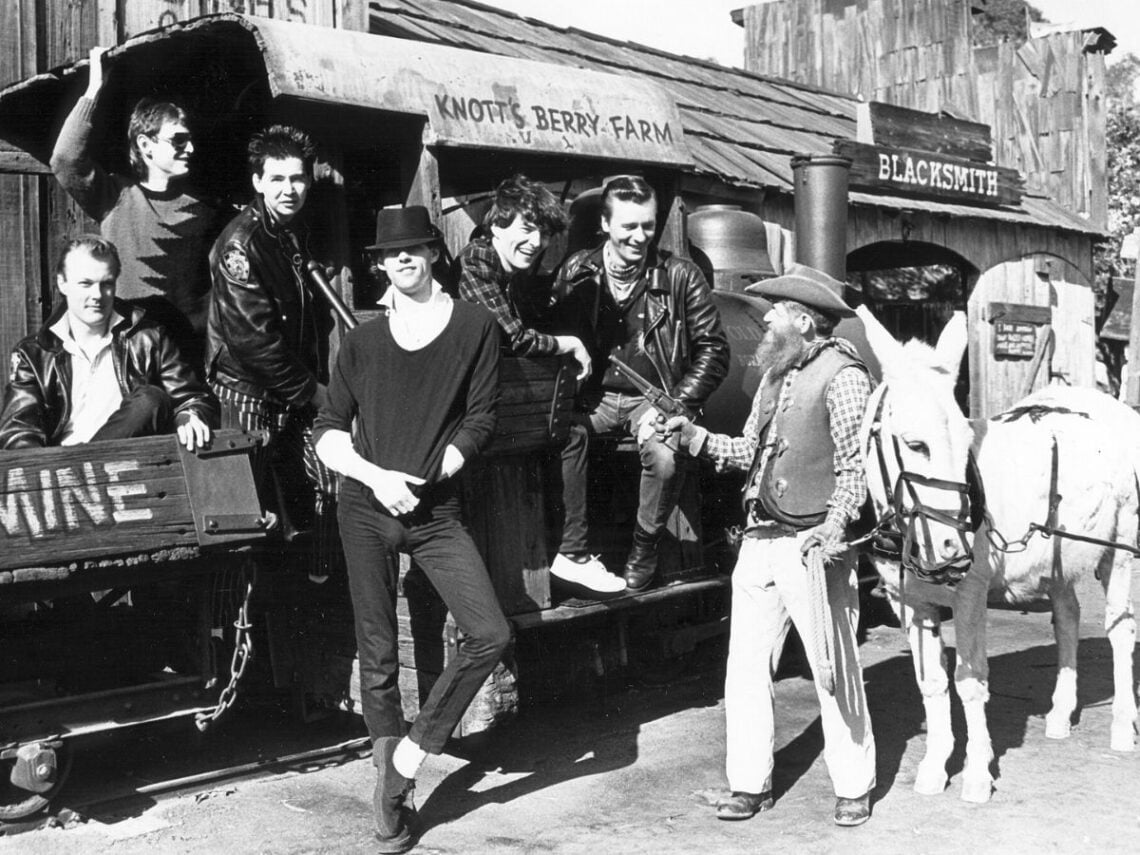
‘I Don’t Like Mondays’ is now the sort of phrase that you might find on the side of a naff secret Santa mug, but back when The Boomtown Rats reached their peak with the single in 1979, they had their mind on something far darker.
At a glance, the new wave pop melody and upbeat stylings make this song seem like a conventional chart hit. Understandably, it was the sixth biggest song of the year in the UK. The story behind it is anything but chart-friendly, however, and with only half an ear for the lyrics, that becomes very clear.
Win Butler of Arcade Fire said that “songwriting is reliant on inspiration, which ideally you don’t have that much control over”. More often than not, the uncontrollable urge to put pen to paper and pick up the acoustic is driven by some deeply personal inspiration, some sort of cathartic deliverance in song. Sometimes, however, the inspiration jumps up and grabs the songwriter from an external source.
With ‘I Don’t Like Mondays’, the song documents the 1979 Cleveland Elementary School shooting during which a 16-year-old girl, Brenda Spencer, who lived in a house across the street from the school, opened fire, killing the school principal and a custodian and injuring eight children and a police officer. The reason that Spencer gave for committing the atrocity was confounding in itself: “I don’t like Mondays”.
Regarding the juxtaposition of the song’s upbeat melody and churlish lyrics and title, Geldof told BBC Radio 6 Music, “I was doing a radio interview in Atlanta with Johnnie Fingers and there was a telex machine beside me. I read it as it came out. Not liking Mondays as a reason for doing somebody in is a bit strange. I was thinking about it on the way back to the hotel and I just said, ‘silicon chip inside her head had switched to overload’.”
Perplexed by such callous cruelty, Geldof couldn’t get the idea out of his head. Continuing, he said; “I wrote that down. And the journalists interviewing her said, ‘Tell me why?’ It was such a senseless act. It was the perfect senseless act, and this was the perfect senseless reason for doing it. So perhaps I wrote the perfect senseless song to illustrate it. It wasn’t an attempt to exploit tragedy.”
In an almost postmodernist sense, Geldof becomes the classic unreliable narrator as he flippantly rattles off a tale of wild atrocity over triumphant major piano tones and doo-wop annunciation. Such an experimental songwriting approach, however, led Geldof to try and push it towards the realm of a B-side. When their Ensign label tried to push for it as a single, he remarked: “You’re mad, that’s not a hit.”
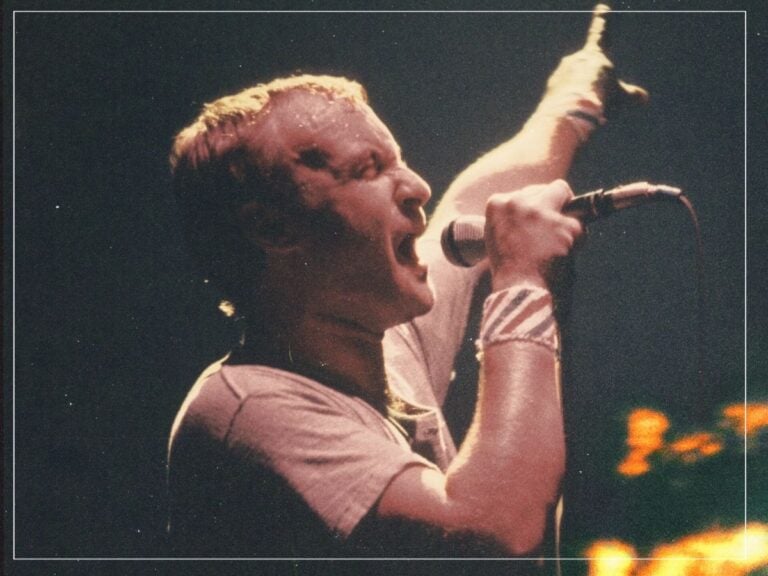


In the end, they won the battle and the track won ‘Single of the Year’ at the British Pop and Rock awards, and held the top spot for four weeks. These days, it is not just a ubiquitous ‘70s hit, but a cornerstone phrase of civilisation borne from pop culture. So, while it might have been a runaway success, that’s exactly why Geldof regrets writing it.
Some years on from the release of the song, Spencer wrote to the singer from jail. “She wrote to me saying she was glad she’d done it because I’d made her famous,” he recalled. He was careful not to name her in the song, but that didn’t matter much. The letter had a profound impact on him in the intervening years, solemnly remarking that it was “not a good thing to live with”.
