


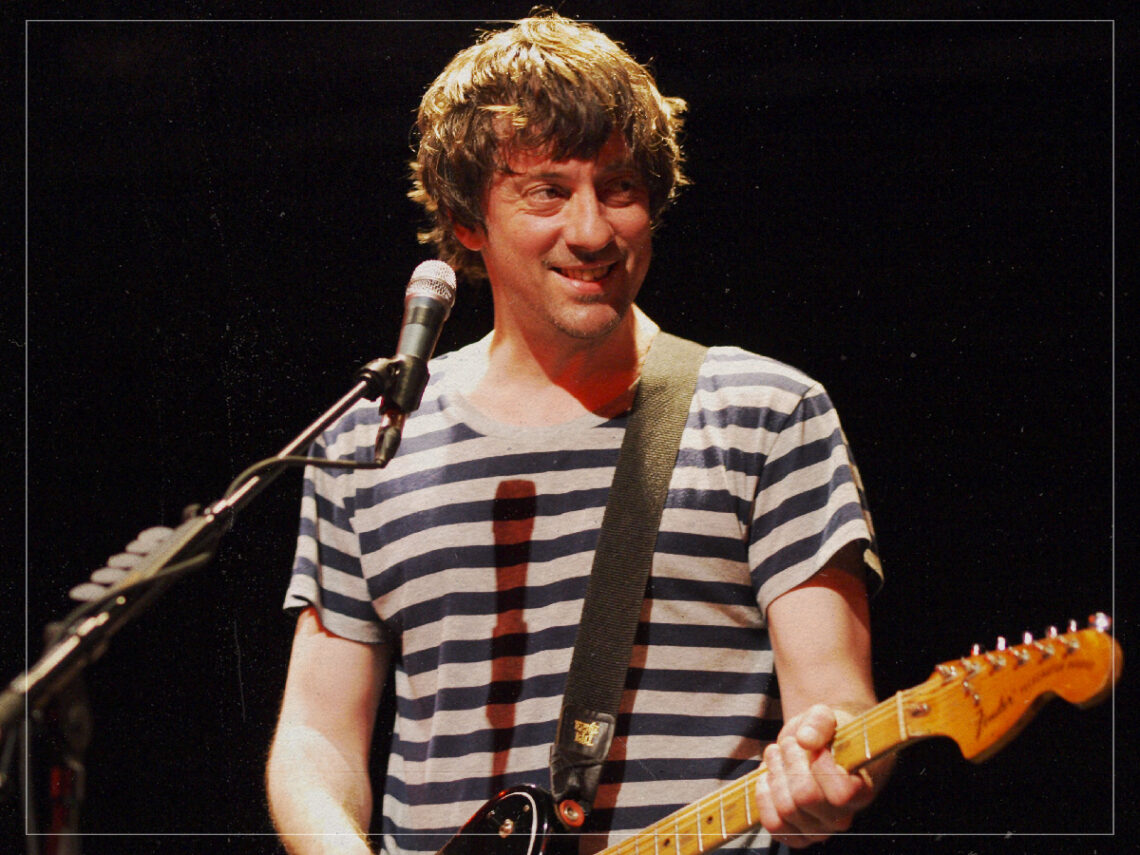
‘Coffee and TV’: The Blur solo Graham Coxon said was never fully written

Sometimes the best work happens when you’re not really trying: just look at The Beatles’ debut, where several mess-ups made the cut, being perfectly imperfect as a relic of their youthful spirit, or look at Blur and the stand-in guitar solo that was never finished, but still could never be beaten.
Perfectionism is all well and good in some cases, such as when Prince wouldn’t leave the studio until a song was finished exactly how he wanted it, and that only ever led to career success. Leonard Cohen would be drafting songs for years sometimes, before he even reached the recording booth, but the finished product was always exactly right because of that.
However, a line is crossed when an obsessive need to have everything completely perfect ends up stealing the magic. At its core, a musician is supposed to be spontaneous, and the process is supposed to be social and fun rather than being led alone by strict plans. Especially in the world of rock and roll, it’s all supposed to come down to energy as artists simply jam and see what comes of it. At its roots, the genre was always supposed to be a form born from jam sessions and players following their instincts, riffing off one another.
That said, when bands are in the studio, paying for the session and watching the clock to get things done, the ability to merely see what happens has been stripped away more and more. In this modern age of music, where even the biggest bands around are likely still working to some level of budget, gone are the days when projects could be born out of play, taking form slowly and being hashed out over a long period. Instead, it all needs to be cost-effective and likely quick, meaning that spontaneity has taken a back seat.
That’s where the magic is, though. It’s the same magic that exists at live shows where artists are free to improvise more, letting go of any stringent structure to add in little details or riff off whatever might come to mind. Even if it’s not perfect, it almost always ends up feeling exactly right because it was born there and then amongst the energy of the track.
The solo in Blur’s ‘Coffee and TV’ is a prime example of that, capturing that energy on tape in a section the band always intended to go back to. As the band were hashing out their sixth album, 13, ‘Coffee and TV’ was pretty much together apart from a solo, but in order to get the rest of the track on tape, they needed something, anything, just to block that bit out.
So Graham Coxon got in the booth, did a little improvisation just to fill some time, and they moved on, leaving the bullet point of ‘guitar solo’ unticked on their to-do list as they planned to actually get it done properly later.
“I just put something there because we wanted to fill a gap, and said ‘We’ll come back to it’ and the song developed,” Coxon recalled to NME, however, as the song kept changing with more parts being added to it, getting back around to the solo kept getting put off until eventually, they listened and simply decided to keep what they had.
On reflection, Coxon’s half-done solo plucked from thin air worked best, capturing the tune perfectly as they all realised nothing written and planned out now could better it. To Blur, as to most music fans, the magic existed right there in the spontaneity of it, as Coxon said, “It’s one of the nicest things about making songs. And that solo, I wasn’t even looking at the guitar, I was just stomping on pedals.”
