


Exploring the four corners of the Red Hot Chili Peppers through their best albums

With John Frusciante or without John Frusciante? As stupid a question as “cheese and toasted?” at Subway. There’s simply one answer. The mercurial guitarist was almost always at the helm of any defining Red Hot Chili Peppers melody, and seemed to be the only axe man in the world capable of matching Flea’s frenetic bass lines. But the band were an artistic Icarus of sorts, flying their dangerous creativity too close to the sun and losing a grip on the guitarist’s abilities as a result.
Of course, Frusiciante wasn’t with the band at their point of origin, their impact on music history really clicks into gear when he joined and soon after laid down Blood Sugar Sex Magik. Capturing lightning in a bottle and unleashing it on the Californian sun, it was an exciting glimpse into the world of these unruly musicians whose chaos could align to blend punk, rock and funk seamlessly.
But the chaos that laced their music wasn’t a feigned artistic approach; it was reflective of the reality that existed outside of the studio walls. A crippling heroin addiction, in fact, fueled the lucidity of their lyrics. It got the best of Frusiciante, who left for the first time, and seemed to dent the otherwise impervious energy of Anthony Kiedis.
What followed was a revolving door of guitarists as the three remaining members stood strong, trying to recapture the essence of rock-come-funk magic. The band is still on this journey, right now in 2025, with Frusciante back on guitar for the third time, scratching away at the wall of creativity, trying to write the greatest song of all time.
But throughout this rollercoaster journey, the band have come close on multiple occasions. Whether it was the funk-laden chaos of ‘Give It Away’, the rock-heavy riff of ‘Can’t Stop’ or the finely crafted melody of ‘Snow (Hey Oh)’, they’ve proven time and time again that there’s method in the madness. Sure, there have been misfires, but in a career that spans over four decades, that’s inevitable. What matters is what came from the moments of creative clarity, when all parts of the musical machine clicked into gear, because it was undoubtedly greatness.
The four corners of the Red Hot Chili Peppers:
Their funkiest album: ‘Blood Sugar Sex Magik’
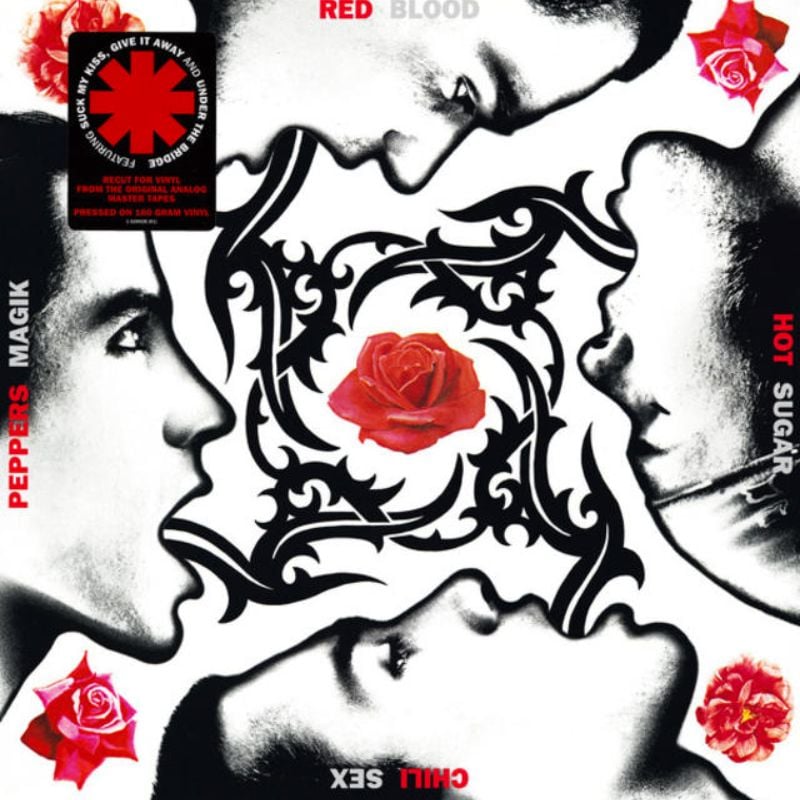
Release Date: September 1991 | Producer: Rick Rubin | Label: Warner Records
This is the album where it all clicked into gear. Having toiled away for most of the 1980s, having flashes of excitement, largely at the hands of Flea’s bass playing, Blood Sugar Sex Magik finally saw all their components align. Frusciante brought a nimbleness to the melodies, offering a fitting counterweight to the sludge of the band’s rhythm section, to help craft an album that had tension and release in its journey.
Take the title track, for example, a more patient offering of funk-laden-rock, almost immersing you in its rich depth, with Kiedis’ vocals going toe-to-toe with the reverb of Flea’s bass. But as the final note hits, the band pivots into an unlikely space with ‘Under The Bridge’. Proving they are just as compelling a product with melody driving a song, it was a heartfelt hit that brazenly put Kiedis’ substance issues into focus. It sounds like a rollercoaster ride, with the rhythm section providing the smooth berms through which you slowly build speed and excitement.
Standout track: ‘Give It Away’
The album with the best guitar solos: ‘Stadium Arcadium’

Release Date: May 2006 | Producer: Rick Rubin | Label: Warner Records
OK, I will accept, a double album that spans 28 songs doesn’t exactly need the lengthy addition of sprawling guitar solos. But thank god they did. On this album, Frusciante delivers some of his finest moments for the band, crafting carefully thought-out melodies like ‘Hey’ and ‘Slow Cheetah’, before ripping into good old-fashioned guitar solos. Despite their obvious indulgence, none of them feel unnecessary and instead force you to sit back in wonderment, enjoying the spiralling complexities of Frusciante’s performance.
Overall, the band sound liberated and at ease on this record, remaining comforted by the funk foundations that will simply never leave, while embracing the poppier sensibilities of melody-led songs. ‘Snow (Hey Oh) is one of their greatest tracks, yet is devoid of the rhythmic frenzy we’ve come to love. It was a self-assured and confident record, only dampened by excessive runtime. Because with a few less songs, maybe Frusciante would have been given another bar to unleash on.
Standout track: ‘Hey’
Their best songwriting: ‘By The Way’
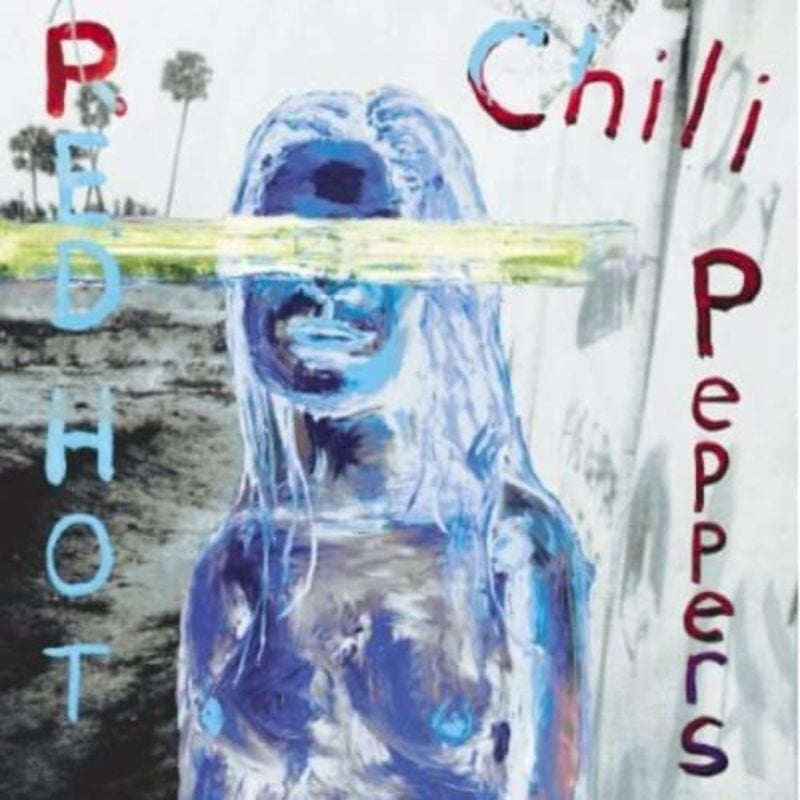
Release Date: July 2002 | Producer: Rick Rubin | Label: Warner Records
What do you do when you welcome one of the world’s best guitarists back to your ranks? Apparently, you introduce synthesisers. To this point, Red Hot Chili Peppers felt far removed from the worlds of instrumental experimentation because they simply didn’t need it. Each player was brimming with the technicality of at least two people who managed to cram textures in at will with their original blueprint.
But the experimentation shimmered and saw them, at points, at their songwriting best. ‘Venice Queen’ and ‘The Zephyr Song’ pointed the way to a brave new future for the band, while ‘By The Way’ and ‘Can’t Stop’ built them the trusty vehicle of familiarity that could get them there. In this newfound innovation, brought confidence, and in this newer, more alternative sound, Kiedis was starting to feel like something more than a conductor. He felt truly like a singer, delicately pairing his voice with these softer new melodies.
Standout track: ‘Can’t Stop’
Their most melodic album: ‘Californiacation’

Release Date: June 1999 | Producer: Rick Rubin | Label: Warner Records
The open wounds of the band’s fallout were present on this album, and as a result, Frusciante pared his presence back. On paper, that made for a less exciting album, but the reality was far different. Diligently, he took to the guitar with a more melodic purpose in mind, creating a steady foundation upon which the band could build songs. Chords shoulder barged licks out of the way, and ushered the band into soft realms of minimalism, creating tracks like ‘Porcelain’ that may have never been possible before.
That didn’t mean they lost all ability to get nasty. ‘Around The World’ and ‘Otherside’ saw them let loose, but in a more measured and melodic way that brought a smoothness to their overall sound. Kiedis continued to grow into a broader vocalist, whose voice began to sound like the fourth instrument in the band’s composition and laid the foundations for future versatility.
Standout track: ‘Otherside’
