


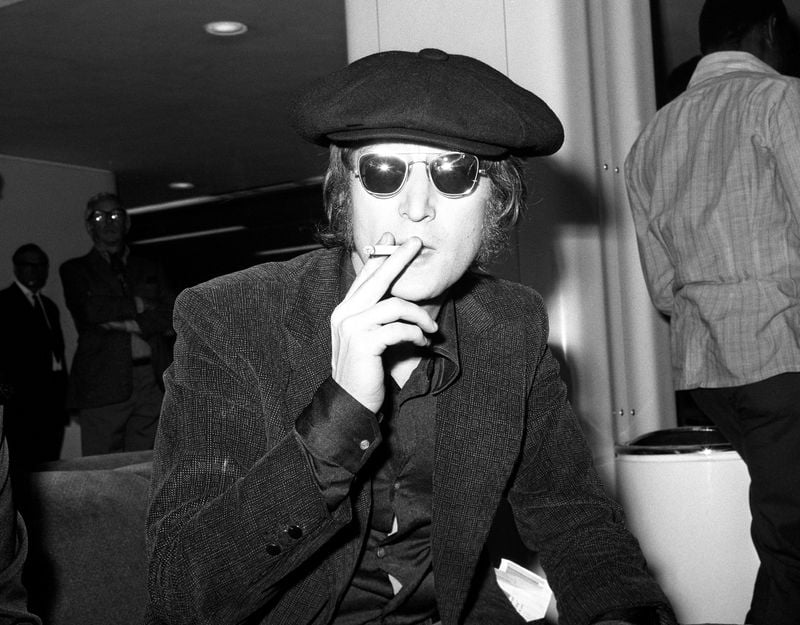
The Beatles song John Lennon wrote when he had given up on God

While much of the Beatles‘ early work had been comprised of love songs, and towards the end of the 1960s, the changing political state of the world had influenced the Fab Four – and particularly the most revolutionary amongst them, John Lennon – to avert their attention to the global events that were affecting the collective consciousness of society at the time.
One particular track in which Lennon’s newfound penchant for socially-conscious writing came to the fore was ‘Revolution’ from the White Album. It was inspired by the political protests that had taken place across the world, but particularly in America, against the ongoing atrocities of the Vietnam War.
“I wanted to put out what I felt about revolution,” Lennon said. “I thought it was time we fucking spoke about it, the same as I thought it was about time we stopped not answering about the Vietnamese war when we were on tour with Brian Epstein and had to tell him, ‘We’re going to talk about the war this time, and we’re not going to just waffle.’ I wanted to say what I thought about revolution.”
“I had been thinking about it up in the hills in India,” Lennon added. “I still had this ‘God will save us’ feeling about it, that it’s going to be all right. That’s why I did it: I wanted to talk, I wanted to say my piece about revolution. I wanted to tell you, or whoever listens, to communicate, to say, ‘What do you say? This is what I say.'”
So while Lennon and the Beatles had initially somewhat averted their eyes from the social horrors of the world whilst they were up in India earlier in 1968 – focusing on meditation and the futility of samsara under the influence of Maharishi Mahesh Yogi – something had been stirring in Lennon. He knew that something wasn’t right; seeing as he had such a global reach as the singer of the world’s biggest band, he had a moral responsibility to inform his audience of the social injustices occurring worldwide.
Lennon said: “We recorded the song twice. The Beatles were getting real tense with each other. I did the slow version, and I wanted it out as a single: as a statement of The Beatles’ position on Vietnam and The Beatles’ position on revolution.”
“For years, on The Beatles’ tours, Brian Epstein had stopped us from saying anything about Vietnam or the war,” Lennon added. “And he wouldn’t allow questions about it. But on one of the last tours, I said, ‘I am going to answer about the war. We can’t ignore it.’ I absolutely wanted The Beatles to say something about the war.”

Never Miss A Beat
The Far Out Beatles Newsletter
All the latest stories about The Beatles from the independent voice of culture.
Straight to your inbox.