


The pivotal moment The Beatles performed for 12% of the worlds population at once

In June 1967, via a groundbreaking satellite link-up, 400 million people are said to have tuned in to watch The Beatles perform their new single, ‘All You Need Is Love’. It was the keynote event of the world’s first live international multi-satellite television broadcast.
At the time, the global population was only 3.45 billion, worryingly less than half the present eight billion mark, meaning that around 12% of the world watched the Fab Four that night. Needless to say, this figure is so mindboggling it proves difficult to comprehend.
Sometimes, it can be easy to get so hung up on that startling statistic that we fail to grasp what it implies, but it’s essential that we reconcile its implications now more than ever.
‘All You Need Is Love’ is often dismissed as trite and platitudinous. I remember being 16 years old and thinking I was the bees-knees for cynically dismissing it with the classic quip, “Easy for you to say, Beatles. Actually, all you need is love, a million pounds, good health, and a long list of other additions that you forgot to mention.”
However, when you have 12% of the entire world’s attention, during a time of war and unrest, their message was suitably punchy and easy to understand. If anything, the song, more so than any other in their back catalogue, showcases the pertinent magic that made the band so special to so many people.
Its simplicity was something that everyone could happily unite behind. That unity was astonishingly implied by the unfathomable masses who cared to witness their performance. And the groundbreaking technology that made such a frankly weird feat possible only amplified the abounding hope of their message.

When more than one in ten people in the whole world were watching four working class lads from Liverpool make a statement that went against the warmongering status quo of the time, it offered a clear presentiment that change was obviously possible. These young lads engaged people, and the people were buoyed by the idea that their engagement meant something.
It seems that in the interim decades, we have lost that vital sense that change is possible, despite the technology that lent a tangibility to The Beatles’ message of hope, only widening our wondrous possibilities. This may be a glib example but it’s an indicative one: in an FA study, 63.3% of football fans were opposed to VAR (video-assisted refereeing), and 79.1% of fans rated their VAR experience as poor or very poor.
That’s a whopping vast majority, but there is zero expectation whatsoever that anything will change as we trundle forwards in a march of capitalist realism. VAR, like all technology, is seen as an inevitability, pointless to fight against, even if it doesn’t serve us. This has led to a stark contrast when it comes to the role of technology within culture between 1967 and the present.
Back on that June evening when The Beatles were shown as part of the revolutionary Our World programme, one broadcast was watched by 400 million people, and it seemed possible that art and the public really could change the world. Now, 400m broadcasts are watched by nobody and art and the public feel powerless.
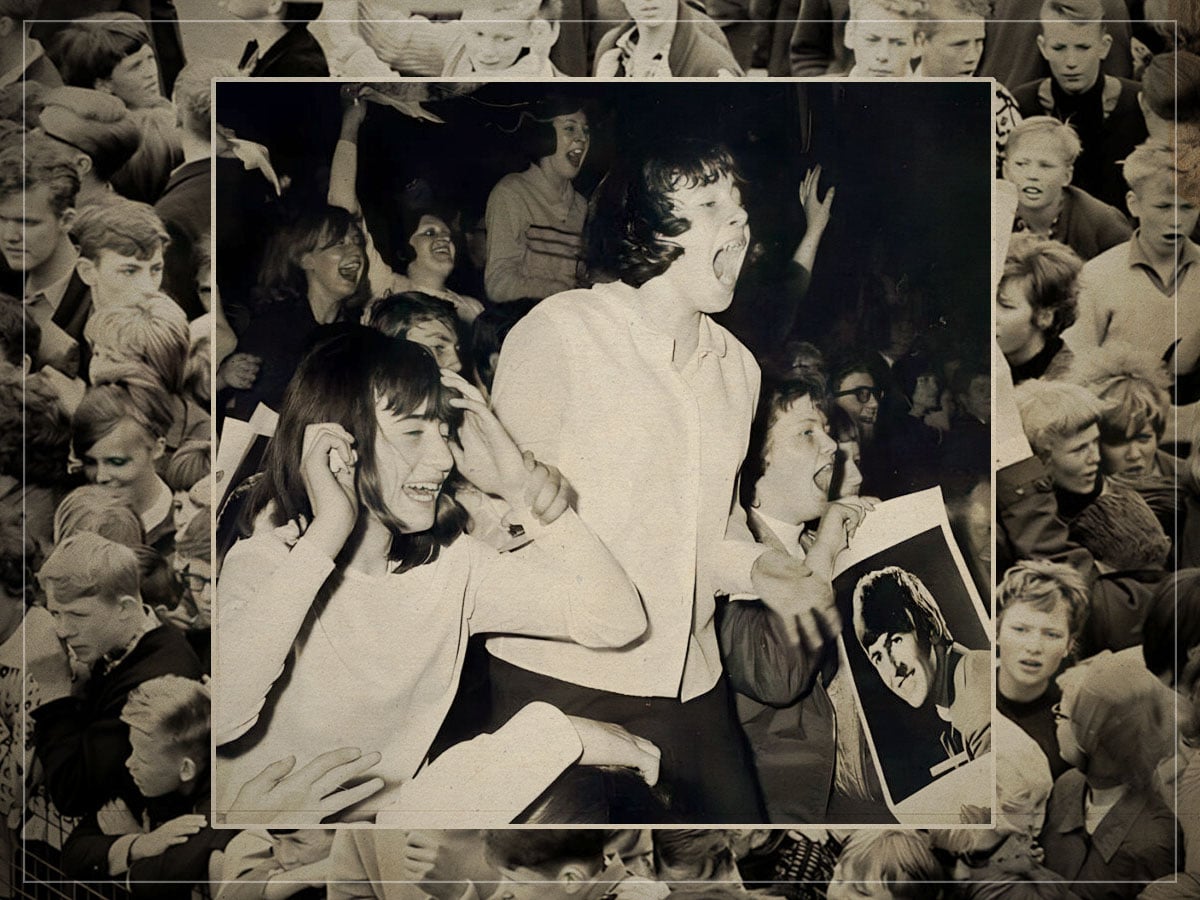
The unity of 12% of the world watching young lads from Liverpool sing of love has been lost to digital isolation thanks to a perversion of the same technology that made the Fab Four’s record-breaking connectivity possible.
So, the other day, when I heard ‘All You Need Is Love’ for the first time in a long while, as divisive clashes run rampant around the world, I was haunted by it. And I wasn’t just haunted by the knowledge of what the song represented, and how far away that seemed, but also the understanding that I couldn’t really conclude this article with any alternative that exorcised the spectre that the song has become. So, I tarried.
But thankfully, that was a few days ago, and since then, in my tarrying, I escaped the algorithmic loneliness of Spotify where the song popped up on shuffle and attended an actual concert where a young band boldly presented a plea for love, covering the Beatles’ classic. It was quite shit.
Moreover, only maybe 50 people were in the room, and at least one of those was texting rather than listening, but it was a moment that reframed my dour disposition. It also reframed my thinking on this song. This young covers band had recognised the absence of the song’s connective message in society and sought to address it in some small but nevertheless meaningful way.
Perhaps that means ‘All You Need Is Love’ can never truly be a ghost tethered to a utopian broadcast that never came to be, but a continual prompt for simple unity in times when it is sorely missing, despite the conditions being there to facilitate it if we come together in hope. What that looks like is anyone’s guess, but maybe there was a smidgen of it presented by a shoddy covers band in Byker.

Never Miss A Beat
The Far Out Beatles Newsletter
All the latest stories about The Beatles from the independent voice of culture.
Straight to your inbox.