


The 1967 Beach Boys track Brian Wilson credited to LSD: “I knew it was the right song”

No one can really pinpoint where great music comes from.
As much as some artists might sit down for hours trying to find the right sound to accommodate whatever lyric they have written, the best melodies tend to come from those quoting their own heart rather than relying on their musical knowledge. Although Brian Wilson was quickly being heralded as the rock and roll equivalent of Mozart in the 1960s, he admitted to having some serious chemical help when sculpting one of his classics.
By the time The Beach Boys started hitting their stride in the early 1960s, Wilson had worked their knack for surf music down to a science. Covering topics like going to school, playing amongst the waves and driving cars around town, Wilson had turned his songbook into an excuse to print money, notching up one hit after another with his signature brand of vocal harmonies.
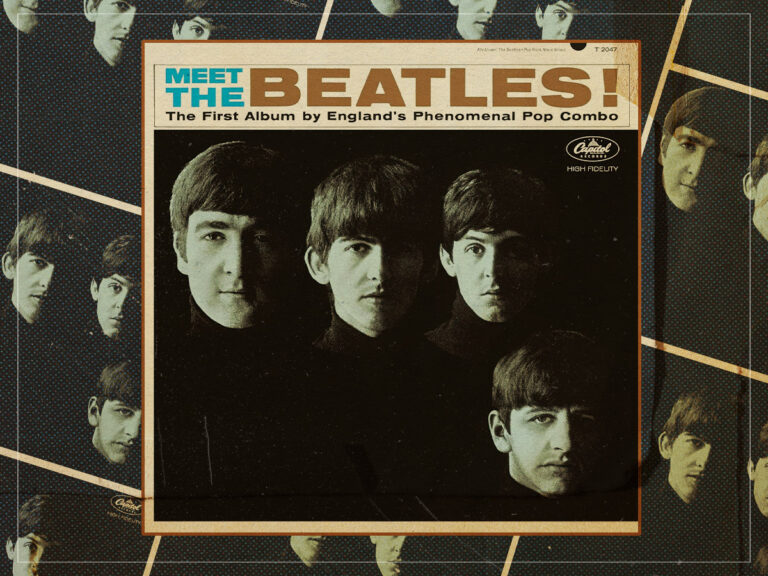
As the 1960s began to turn towards the counterculture, though, Wilson started to pay attention to the kind of music he heard from the British Invasion. While initially intimidated by acts like The Beatles and The Rolling Stones, Wilson believed he could create something good enough to put his English counterparts in their place.
That competitive streak runs throughout Pet Sounds. Wilson was listening closely to what was happening across the Atlantic and hearing pop music mature in real time. Once Rubber Soul arrived in America, he became obsessed with making an album that felt cohesive from beginning to end, rather than just a collection of singles padded out with filler, which was still common practice for many bands at the time.
Beginning work on the album Pet Sounds, Wilson would put together some of the most complex pieces of music he had ever assembled, practically using the rest of the band as backing musicians as he utilised the skills of The Wrecking Crew. Even though the band had come up with something unprecedented for its time, one of the biggest leaps forward didn’t even make the final cut of the album.
Having the idea for ‘Good Vibrations’, Wilson made a pop song with the same sounds you would hear in a classical piece, featuring drastic mood changes and different parts being layered on top of each other to create the sound of musical bliss. Even though Wilson’s musical upbringing helped him piece together the arrangement, he admitted that most of the song wouldn’t have been possible without the help of acid.

Expanding his mind throughout the recording, Wilson would reach for new sounds every time he went into the studio, resulting in the iconic theremin line that runs throughout the song’s main section. When asked by band members how he came up with it, he talked about thanking acid for opening him up to different sonic avenues.
In Classic Rock Stories, Wilson recalled just how much the substances played a hand in making ‘Good Vibrations’ work, saying, “I’d written it five months earlier and imagined the grand, Spector-like production while on an LSD trip I’d described so enthusiastically for Al [Jardine]. Instinctively, I knew it was the right song at the right time”.
Even now, ‘Good Vibrations’ still sounds faintly alien compared to most records from the era. Wilson was chopping together fragments recorded across different studios and sessions long before that sort of modular recording became commonplace in rock music. Plenty of producers in Los Angeles thought he’d completely lost the plot while making it, but once the single hit number one, suddenly everyone wanted to figure out how he’d managed to bend pop music into something so ambitious without losing its hook.
While the effects of substances would birth one of the most extravagant singles in pop history, it would come at a heavy price later, with Wilson nearly having a mental breakdown when making the group’s next album, Smile. Although Wilson could still deliver mini-operas in just three minutes, his willingness to experiment opened doors for legions of younger musicians looking to expand the parameters of traditional pop music.
