


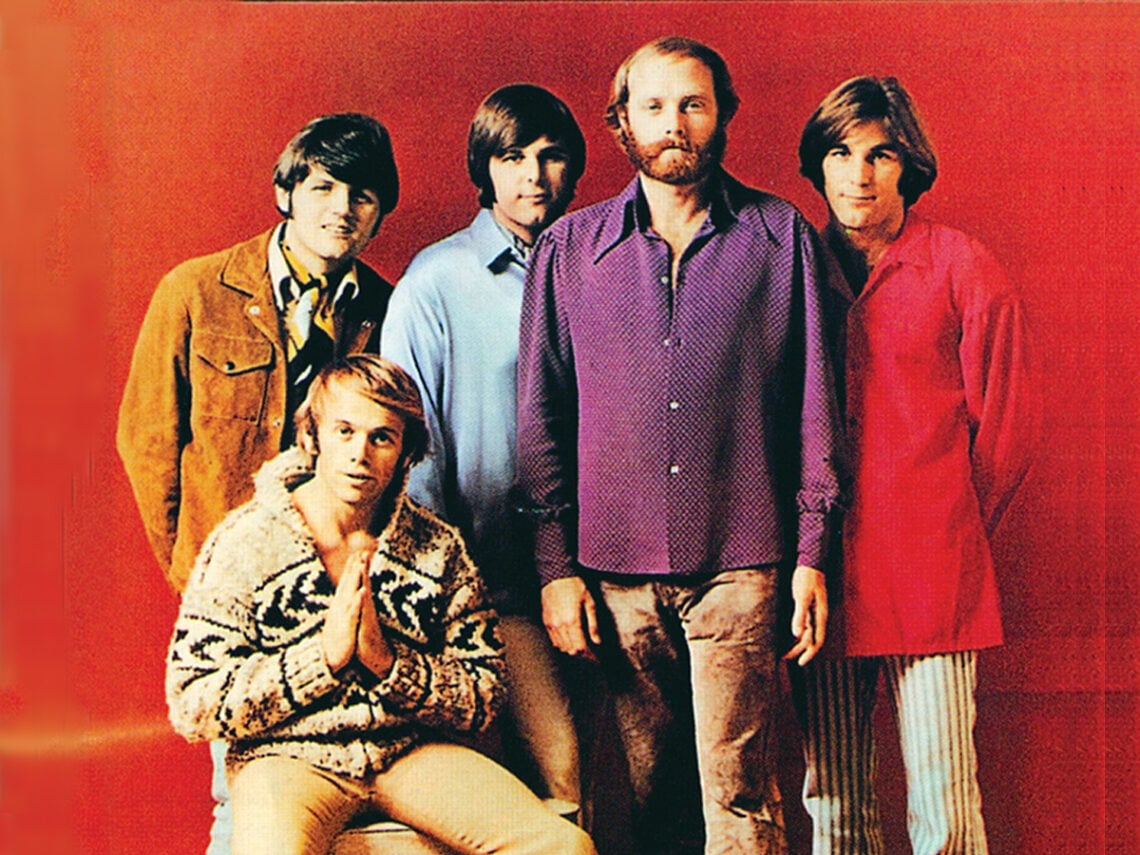
The Beach Boys track Al Jardine calls a “biopic of central California”

The Beach Boys are synonymous with California. They represented an ideal of the state: an Eden of eternal youth. When you hear Pet Sounds, you picture the swooping curves of Laurel Canyon, where Brian Wilson and the boys dreamt up the dreamy masterpiece. Should the region ever declare independence, ‘God Only Knows’ would surely be its anthem.
The California in their music is perennially sun-soaked; it was sandy feet in the back of a hot rod, carefree romance and psychedelic glee. Together, the band helped make a mythology that endures today of perfect sunsets and perfect people living in impossible bliss.
Brian Wilson’s mental health struggles ultimately complicated the utopia they instilled in the collective cultural imagination of their fans. As the band’s creative force, he confused the image that defined them — continuing to indulge in the emotional highs their home offered while simultaneously depicting its darker undercurrents.
Of course, California is massive, nearing twice the physical size of the UK. The sunny California that The Beach Boys documented in their music was mostly reflective of its southern coast, warm-weathered and lined with beaches. There were, though, a few exceptions.
‘California Saga’, Al Jardine told Uncut, is “a biopic of Central California”.
A trip to the quiet landscape north of LA traverses a world starkly different from their home. The ‘Saga’ was really made of three songs on their 1973 album Holland. As a whole, the trilogy offers a picture of the state’s broader cultural identity beyond the one the band was born from. It is their most complete picture of the state, which is why Jardine says it is among his favourite tracks the band ever wrote.
The lyrics of the Big Sur part of the suite, written by Mike Love, are an ode to the central coast’s cashmere hills and granite cliffs. They chart the canyons covered in springtime green and the Big Sur River’s sparkling waters, the granite cliffs and newborn fawns. “While stars shine brightly and up above / Fog rolls in through a redwood grove / And to my dying fire I think I’ll add a log”. It’s all positively Keroucian in this part of the world, and the language of the band reflects that in that stage of the saga.
‘California Saga’ favours natural, untamed landscapes. Emotional, ecological and spiritual, it breaks from the pop sensibilities that made The Beach Boys so huge, marking a maturation that carried into their subsequent releases. “It’s recollective of all the scenery, it’s more like a little travelogue”, Jardine continues. “It’s descriptive and charming”.
But amid its sweetness is a hint of the bitter undercurrent that led them there—that pushed them beyond their beachy climes. With the band embroiled in the Charles Manson tragedy, 1969 sent the group spiralling. They decided to continue as best they could. However, as is evidenced by ‘California Saga’, they wanted to get away in at least some respect.
So, while Jordine might find the whole thing “charming” on the surface, he’s also aware of the rather less than charming impetus that led them on this “travelogue”. Even that, in itself, is typical of California, when its flighty denizens want to get away from it all, they head for the hills and the harsher surf upstream. The Beach Boys truly are, and perhaps always will be, the musical embodiment of The Golden State.
