


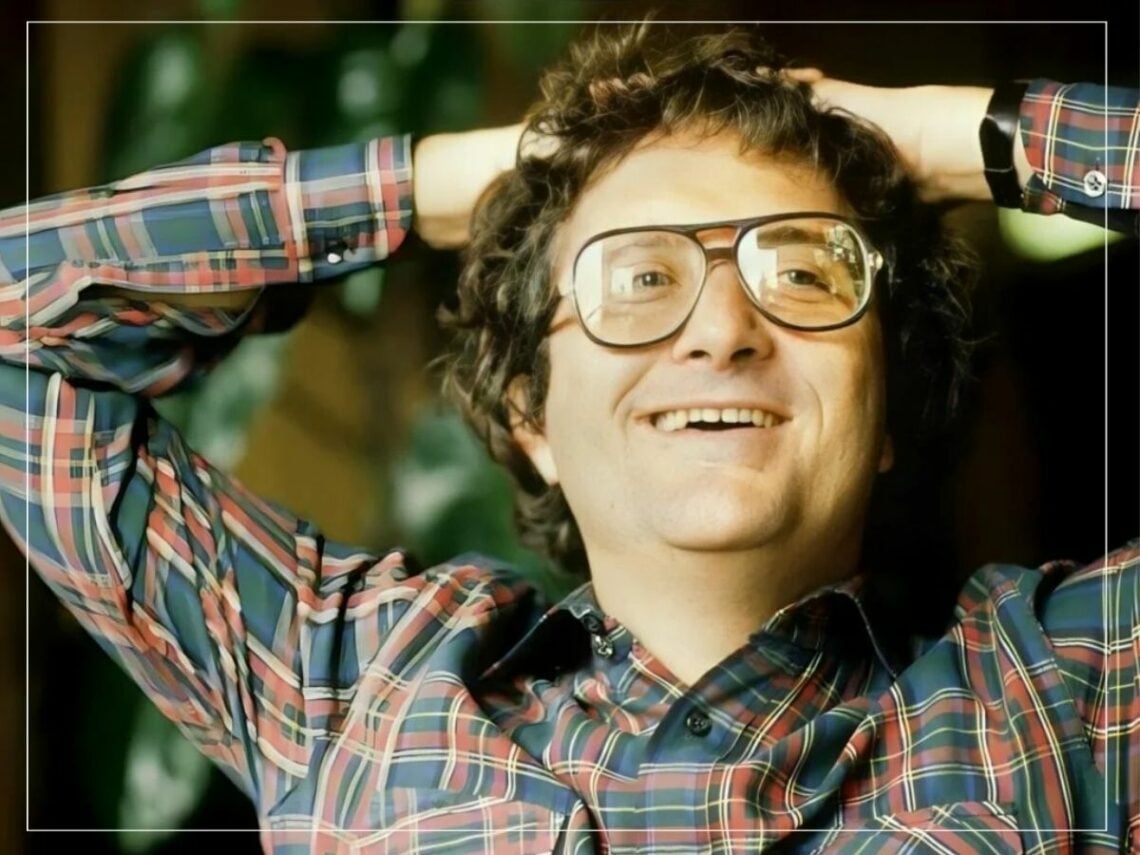
The artist Randy Newman stood in awe of: “If I ever had a hero”

Everyone who knows a thing or two about music knows there are two main indicators of real success: one, that your name is relevant long past your peak, and two, that Bob Dylan thinks you’re worth listening to. Randy Newman scored on both counts.
For Dylan, Newman has this unique sort of simplicity that lulls you into a false sense of calm, an easy beauty, especially in many of his earlier songs, like ‘Sail Away,’ ‘Burn Down the Cornfield’, and ‘Louisiana’, which feels both “deceiving” and “so laid back that you kind of forget he’s saying important things”.
Dylan’s appreciation for Newman’s approach makes complete sense when you consider his affinity for satirical storytelling. Paul Simon once put it eloquently when he said that his own failing was that he sounds too sincere, and that only certain people can get away with irony and satire, including Dylan, who is often “telling you the truth and making fun of you at the same time”.
Newman achieved a similar feat, bridging the gap between sharp wit and a brilliantly unique worldview to shed light on both everyday musings and culture’s biggest political shortcomings. However, legends like him also raise interesting questions about who inspires such distinctive voices, and whether movements like the singer-songwriter boom served as a major boost to the broader artistic pool, or a hindrance that no one could have prepared for.
After all, before this movement took root, there was a general sense that musicians or artists were a certain type of person, often manufactured by labels or extensive exec teams to hide the fact that many of them didn’t even have that much talent at all. And then the singer-songwriter moment came into action, and people could suddenly see the real people behind the magic.
For Newman, the entire movement was great, of course, because it proved that “being an artist wasn’t purely cosmetic” and spotlighted real experiences and real stories in ways that often weren’t diluted by the artifice of unnecessary embellishments or a label-curated façade. And, in Newman’s view, the shining star of the entire scene was the master of intimate reflections herself, Carole King.
Discovering King came at a seminal moment for Newman, who was, at the time, at the beginning of his own path to musical self-discovery. Up to that point, he’d never had any figure he could call a definitive hero, but as soon as King came into focus, she immediately fit those shoes. “If I ever had a hero, of any kind, it was her,” Newman once said.

In fact, for a while, Newman would compete in the same circle of opportunities, reaching out to write hit songs for people like Gene McDaniels, Bobby Gee, or Little Peggy March. However, King would always land the gig instead, for reasons that Newman completely understood. In his view, it was simply because she was “good”, and so people sought her out, needing her eloquent wordplay to help them progress with their own artistic offering.
Elsewhere, Newman went so far as to label King as one of the best songwriters of the 20th century, saying that everything she sings is so “deeply felt” and praising her deeply personal song, ‘Will You Still Love Me Tomorrow’. Clearly then, for Newman, it was all about the emotion, the simplicity of which was King’s most powerful tool, and the one that changed the game of songwriting forever.
