


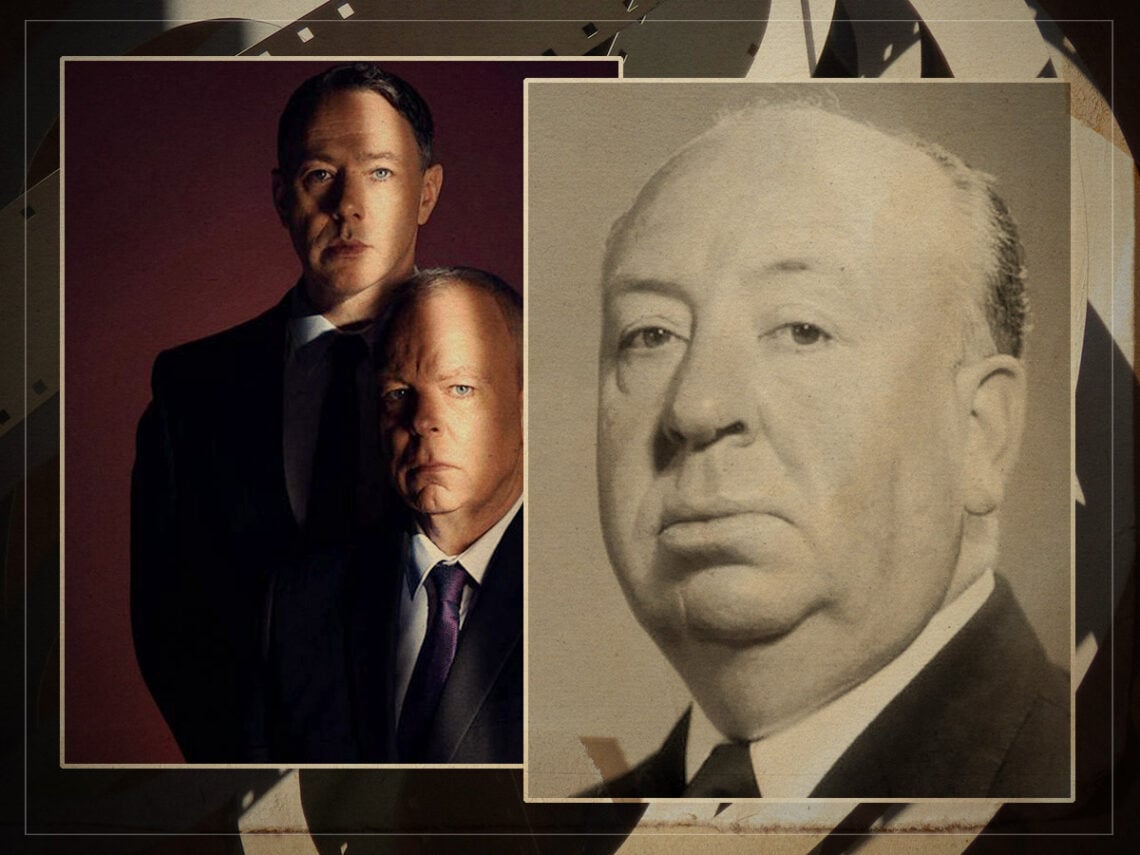
The Alfred Hitchcock movie that inspired the creation of ‘Inside No 9′

Last year, Reece Shearsmith and Steve Pemberton’s anthology series Inside No 9 came to an end after ten years. Across nine seasons, the show blended horror, thriller, and comedy to create standalone episodes jam-packed with plot twists, while the pair played new characters each time.
From tormented superfans and mischievous robbers, doctors and teachers to witchfinders and murderers, Shearsmith and Pemberton have played every kind of character imaginable, roping in some of Britain’s best stars as their accomplices. The brilliance of the show can be found in its consistency, with unforgettable episodes arriving each season that make you wonder how the duo were able to conjure up such clever and complicated ideas (I’ll never not be blown away by the writing of ‘The Riddle of the Sphinx’).
The show came after the long-time friends had found success as part of The League of Gentlemen alongside Jeremy Dyson and Mark Gatiss, which was turned into a television series beginning in 1999. Yet, it was Psychoville, the show Shearsmith and Pemberton made together after stepping away from the surreal goings-on of Royston Vasey, that influenced the direction of Inside No 9, and that, in turn, was inspired by a certain Alfred Hitchcock film.
Psychoville sees Shearsmith and Pemberton come together for a thrilling suspense tale featuring several bizarre characters who all begin receiving mysterious letters informing them that they ‘killed her’. It’s a hilarious blend of comedy and horror that revels in the absurd (the baby doll seemingly coming to life to torment Joy, who believes that the baby is real, is a personal highlight), but there’s one episode that sticks out as the most unforgettable.
Usually, bottle episodes can be quite hit and miss, but ‘David and Maureen’ is fantastic. It sees the mother and son duo hiding the dead body of their latest victim in a trunk before an unwelcome visitor makes for an incredibly disastrous series of events. All shot in one room, the episode was actually made with Hitchcock’s Rope in mind, his 1948 crime thriller that follows two men as they hide their victim in a trunk before throwing a dinner party in the same room.
The movie was filmed in several long takes, but Hitchcock made it appear as though it was all one continuous one, like a stage play. By doing so, we’re swept up in the action, unable to move as though we’re part of the guilty party, too. It’s a genius film which results in the body being found, much like the episode of Psychoville—Shearsmith and Pemberton don’t hide their admiration for the ‘Master of Suspense’ within the episode.
Not only can you hear Bernard Hermann’s iconic Psycho score playing on the radio near the beginning of the episode, but you can certainly draw a parallel between Norman Bates’ unusual relationship with his mother with the one established between David and Maureen.
Following the success of the episode, the pair clearly knew that it was a format they could work with again. Thus, their following project, Inside No 9, was soon conceived. By isolating each episode to a certain location, more or less, whether that be a train carriage, a wardrobe, a karaoke booth, or an art exhibition, the show allows the action to pan out like a television play, relying on a rather small cast.
This condensed action leaves no room for error or excess, with each episode cramming enough unexpected character reveals and twists into a tight 30 minutes to make M Night Shyamalan blush.
The Hitchcockian rules of suspense pervade each episode with masterful precision. Shearsmith and Pemberton studied the best, and as a result, Inside No 9 remains one of British television’s most cleverly-written creations.
