


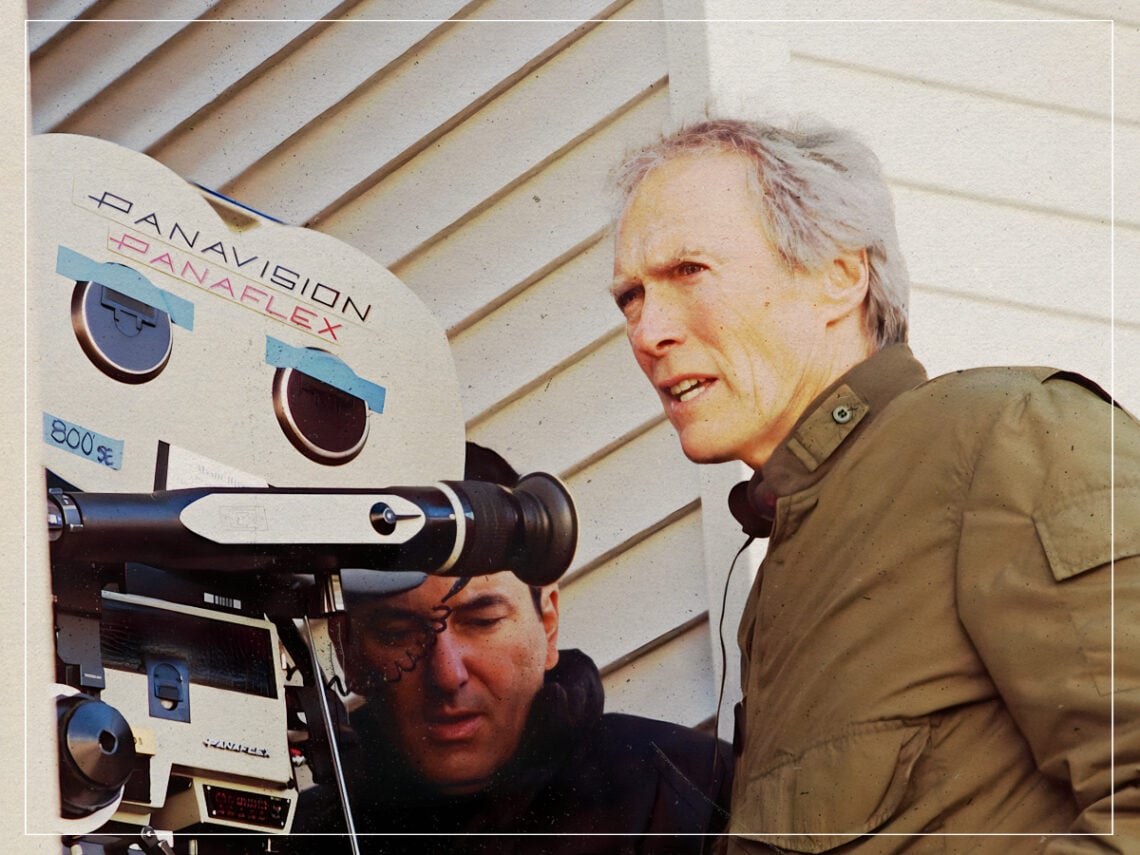
The actor who took a staggering 90% pay cut to work with Clint Eastwood

Most will likely know of Clint Eastwood before they know it. If not by name, various movie titles, quotes, and characters swim around canon pop culture like an inextricable force, making him one of the most prolific presences in and beyond his filmography. As one of the most iconic figures in Hollywood history, Eastwood’s influence has spanned decades, generations, and genres, with an efficiency most actors and directors could only ever dream of possessing.
As an actor, Eastwood earned his name through several breakthrough roles, reinstating the fact that over-acting is rarely a good thing and enigmatic minimalism speaks louder than any other acting technique. Before his pervasion, the western genre was over-saturated with grandiose figures of heroic charm and overbearing theatrics, but Eastwood redefined the space with an aura of understated individualism.
The 1970s saw Eastwood organically transitioning into more directorial roles, with films like Play Misty for Me and The Outlaw Josey Wales demonstrating his understanding of what it takes to create interesting and complex characters and how a good shot could become a central driving force within a broader narrative. For this reason and many others, his directorial masterpiece Unforgiven earned him four Academy Awards, proving his prowess as someone who could seamlessly converge artistic ability and societal contexts.
In 2011, Eastwood brought his signature directorial style to J Edgar, a biographical drama focusing on the controversial story of the first director of the FBI alongside his contributions to the development of modern law enforcement. In an obvious move, Eastwood bagged Leonardo DiCaprio for the titular role, his knack for delivering serious and complex roles making him the perfect muse for Eastwood’s biopic venture.
The movie was actually somewhat rejected by the studio at first pitch, but the moment producer Brian Grazer brought Eastwood in, Warner Bros wasted no time getting it off the ground. As Grazer recalled to Hollywood Reporter: “With Clint, it’s a really unique thing. They don’t use the two-letter word; they don’t say no. What they say is, ‘Yeah, let’s do it but let’s try to do it at a good price.'”
As a compromise on giving it the green light, the movie had to be made with a budget, which placed a lot of pressure on the cast and crew, resulting in set turnaround times of an hour in some cases. This also meant some of the team had to take major cuts to make the project happen, including DiCaprio, who, in Eastwood’s eyes, was the only rightful actor to play such an ambiguous historical figure.
According to sources, DiCaprio took a significant pay cut to play the role, dropping his original $20million to around $2m. However, as a passion project with an important story to tell, Eastwood felt he shared a certain approach with the actor, especially regarding bringing diverse stories to life that otherwise wouldn’t have seen the light of day. “He could have made a lot of money just doing spectacle movies with all kinds of CGI,” Eastwood shared. “But he wants to vary his career, like I’ve always looked to vary mine as a director.”
Throughout the project, DiCaprio and Eastwood worked closely to ensure the movie incorporated as much nuance and authenticity as possible despite the severe time constraints and budget shortage. However, the subdued tone of the movie actually complemented its subject matter well, reflecting the serious and gritty nature of J Edgar Hoover’s story and how it still infiltrates the walls of American law enforcement decades later.

Never Miss A Tale
The Far Out Clint Eastwood Newsletter
All the latest stories about Clint Eastwood from the independent voice of culture.
Straight to your inbox.