


‘The 5,000 Fingers of Dr. T.’: The only movie ever written by Dr Seuss

Some writers come and go, but others stick around, with their wording iconic and poetry sound. For wordsmith Dr. Seuss, writing was a fun game, where the page fizzed, popped and snapped to give him much fame. Creating the Cat in the Hat, Thing One and Two, his books had colour and rhyme, which I am now through. Phew.
If one wants to appreciate the artistry that is inherent within such an expressive style of writing, one has to merely try and emulate Seuss’ iconic wordplay for themselves, with the juice being barely worth the squeeze after much wasted time and failed attempts. Rising to success in the 1940s with Horton Hatches the Egg, a book which announced Seuss as a serious talent, it wouldn’t be until 1957’s The Cat in the Hat that he could be found on children’s bookshelves across the world.
Capturing something innately joyous about fantasy storytelling, the stories of Dr. Seuss bounce with a rhythm that inspires delight in even the most stoney-faced adults, with his style and wordplay sharing similarities with modern-day rap. Indeed, Seuss’ tales are written with such distinctive colour and rhyme by the use of anapestic metre that a viral trend began in 2022, with people reading out his tales to a rhythmic beat and flow.
Thanks to the performative nature of his tales, several of his creations have made their way onto stage and screen, with 2003’s notorious Cat in the Hat being the most memorable of the bunch, being so bad that Seuss widow banned all future live-action adaptations. Such creations include the writer’s lesser-known movie The 5,000 Fingers of Dr. T., a musical fantasy flick that became the only film of Seuss’ career, for good reason.
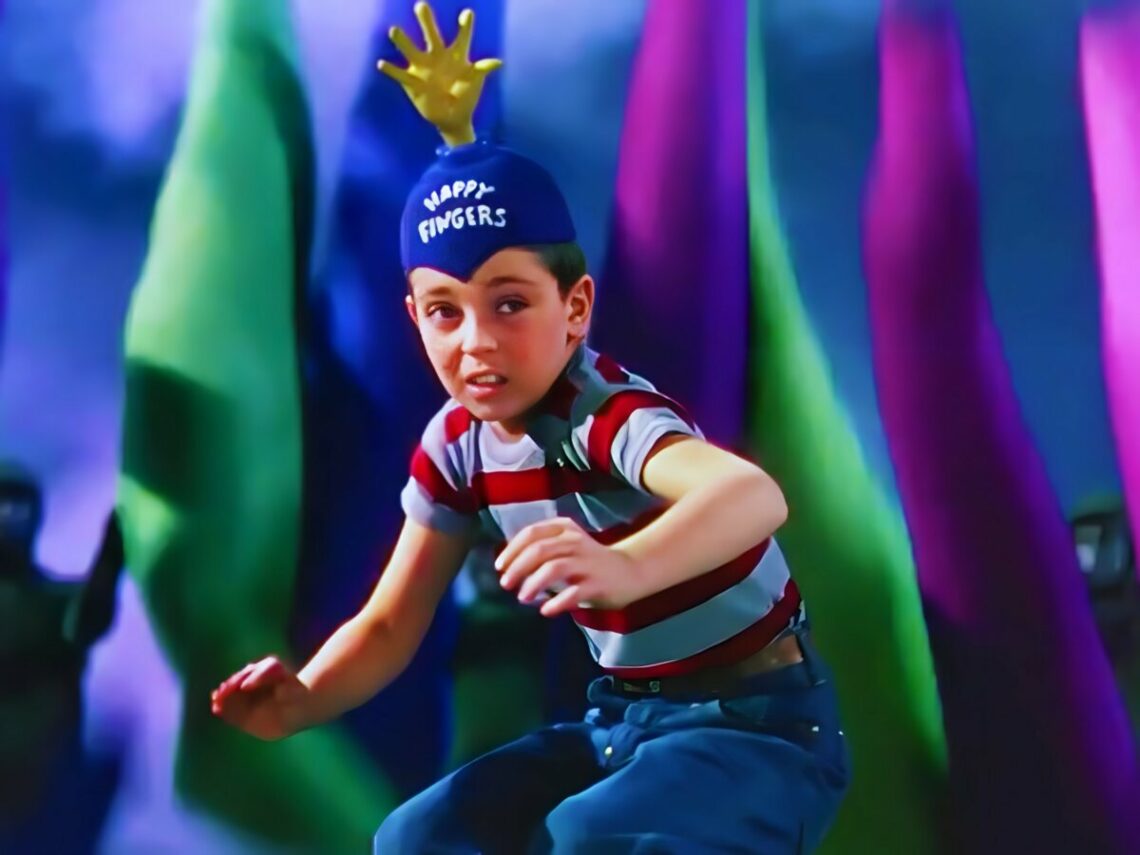
A film just as zany as the writer’s own works of fiction, The 5,000 Fingers of Dr. T is a trippy, phantasmagorical ride into surrealism, telling the story of a boy who dreams himself into a strange world where children are forced to practise the piano for all eternity. Penning the screenplay and lyrics to each of the bizarre songs, the studio was excited to see what Seuss could create on the silver screen, but after test audiences were baffled by the film, almost half of the songs were cut.
Seuss, who went by his real name on set, Theodor Seuss Geisel, was prompted to create the film in 1953 in the wake of the evil and oppression that emanated from the violence of the Second World War, with the writer wishing to have his say, albeit in his own psychedelic fashion. Focusing on the enslavement of young boys who are forced to play all together on an overly large piano, the film is supposedly one large metaphor for the importance of individual agency.
Yet, The 5,000 Fingers of Dr. T. had none of the charm and bounce of the writer’s previous works of fiction, being created on a reasonably-sized budget of $2.75million, only to take a total of less than half at the box office. Understandably, Seuss was quick to disregard the film as one of his biggest mistakes, purposefully omitting it entirely from his 1996 biography after reportedly calling the whole thing a “debaculous fiasco”.
If you want to journey into the surreal technicolour fever dream, check out the short trailer for The 5,000 Fingers of Dr. T. below.
