


The 1997 Metallica song James Hetfield always struggled to sing: “Not too inspiring”

Although metal was undergoing a transitional phase in the 1980s, Metallica emerged as if they had always been a fixture, their blend of melodic yet aggressive sound appealing even to traditional rock aficionados.
While some sought to revolutionise the scene with flashy aesthetics and loud, chaotic sounds, Metallica steadily evolved, demonstrating that rich textures and lyrical depth could carve out new territory in the genre.
To the untrained ear, Metallica’s sound might appear limited to hard rock circles or eccentric characters like Stranger Things’ Eddie Munson. Yet, beyond the surface-level perception of metal, his shout of “This is music!” became one of the show’s most iconic moments because it tapped into a deeper truth that hard rock fans have always understood—the ongoing struggle to justify their musical tastes with words, when in fact, the real power of the music lies in letting it speak for itself.
But the heaviness of bands like Metallica isn’t just a gimmick. The music does yield an immense cauldron of density, and not just in terms of the way it sounds. Lars Ulrich’s thunderous drumming obviously has a lot to do with this, but so does James Hetfield’s often raucous vocal energy. The visceral energy he channels usually parallels the struggles, anger, and defiance the band faced in their personal and professional lives.
Unlike most metal bands that emerged around the same time, what Hetfield and Ulrich achieved with Metallica was to prove that becoming more polished and refined over time didn’t mean losing their edge. Instead, it became the ultimate crossover into a heightened sense of authenticity, where their music had both style, substance, and a constant hint of rebellious energy. After all, between getting tattoos inked with Lemmy’s ashes and being devoted to his cat, Hetfield couldn’t be more rock ‘n’ roll.

But even he wasn’t immune to challenges. His relentless commitment to being true to himself often brought more difficulties than he might have wanted, including the ongoing struggle to deliver vocals that were both captivating and capable of evoking a wide range of emotions. Reload is the ultimate exercise in this exact sentiment—the space where there was greater depth but also lessons to be learned in imperfections.
As Metallica’s sound evolved, so too did the demands placed on Hetfield as a vocalist. Moving beyond sheer aggression meant embracing a broader emotional range, something that required a different kind of control and restraint than the band’s earlier material.

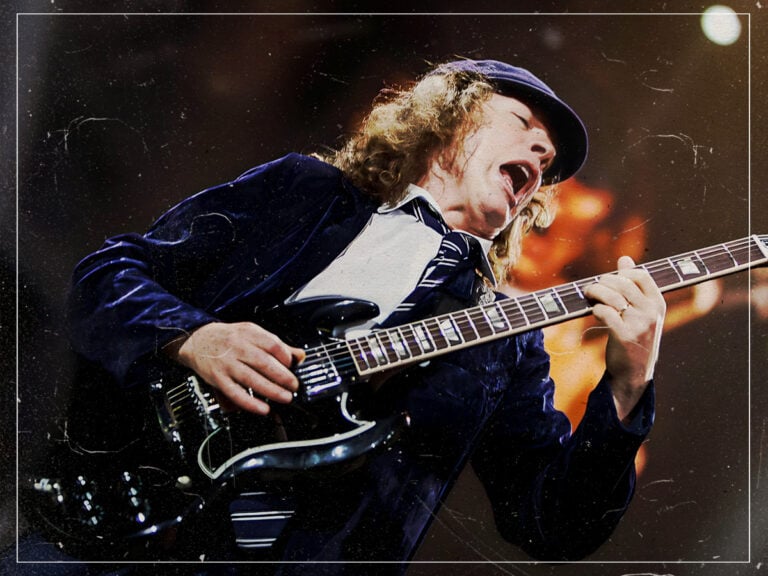
This shift became especially apparent during the Reload era, where the focus on mood and lyrical nuance pushed him into less familiar territory. Instead of relying on intensity alone, Hetfield had to find new ways to communicate feeling, revealing both the strengths and limitations of his vocal approach.
Reload wasn’t as much an answer to Load as it was proof that Metallica would never be predictable. With a subtle ode to classic metal with pepperings of a more eclectic offering, the album focuses more on lyrics than perhaps any other record, which, by extension, gave Hetfield a hell of a lot more pressure when it came to delivering nuanced vocals. “There wasn’t anything that we didn’t dig on Load,” Hetfield later told Louder before reflecting on his challenges.
Diving into the aspects that didn’t work as well as others, he explained: “Maybe some of the mid-tempo songs like ‘King Nothing’ are difficult for me to make exciting vocally. I really grab ahold of the more extreme stuff – the faster stuff, the heavier, the more broken-down, mellow stuff. The middle-of-the-road stuff is not too inspiring.”
It makes complete sense. When you’ve perfected something to a precise degree, any deviation can feel like a significant shift. Hetfield had mastered the art of delivering high-energy anthems that resonated with generations of fans, but the slower, more nuanced tracks on Reload required him to convey depth and emotion with subtlety rather than sheer force.
