


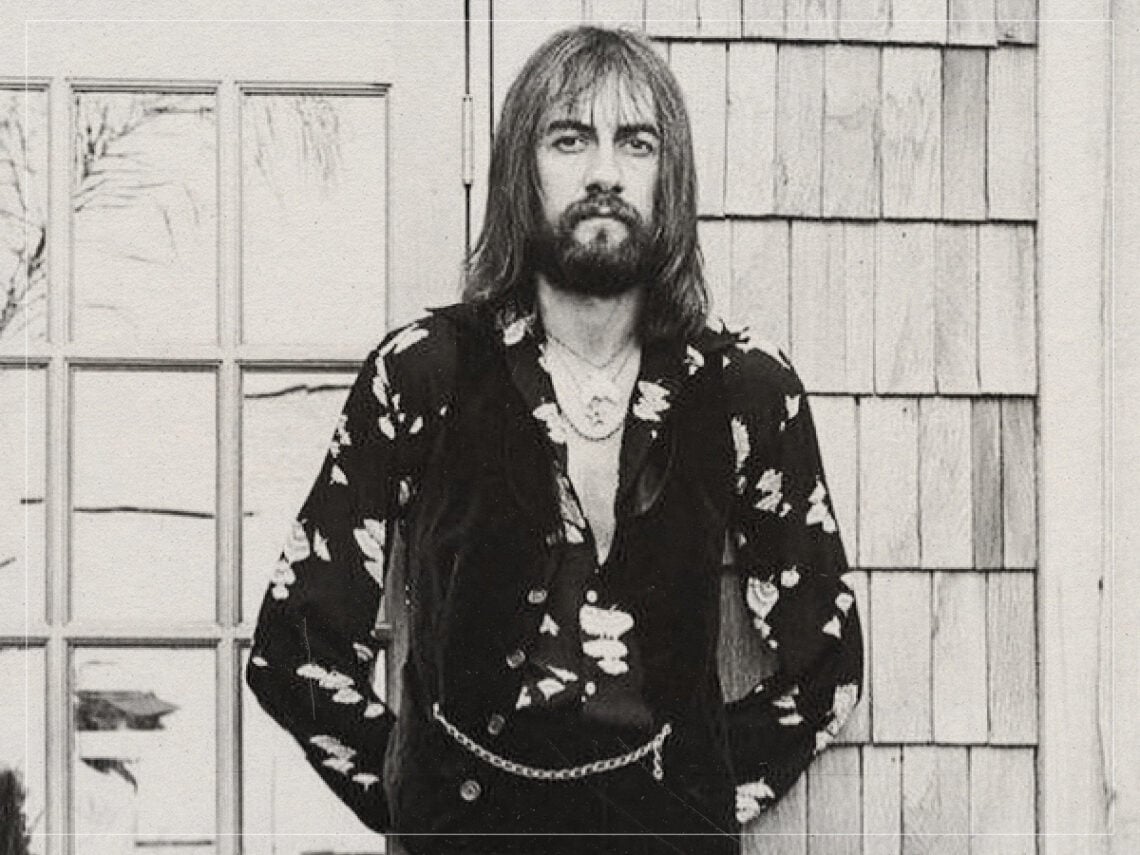
The 1995 album Mick Fleetwood wants to delete from history: “Non-existent”

No matter what, Fleetwood Mac always had an element of drama lurking just around the corner, which, occasionally, overshadowed the music.
They allowed their personal lives to play out in public for all to see, which, admittedly, was a gripping source of entertainment, but more importantly, it gave them more than enough material for songwriting, making Fleetwood Mac a global phenomenon.
For a period, Fleetwood Mac were on a hot streak that seemed like it could last forever. However, the music business is cut-throat; one minute, you can be the band on everybody’s lips, and the next, you’re suddenly a nostalgia act.
The 1980s were a challenging decade for the Mac as they embarked upon solo ventures and tested themselves in new surroundings. While Tango In The Night was a resounding success that spawned classics such as ‘Little Lies’ and ‘Everywhere’, Fleetwood Mac’s line-up changed dramatically shortly after.
Guitarist Lindsay Buckingham, who had been a vital component of their sound for over a decade, abruptly left Fleetwood Mac. Buckingham was hesitant to return on the road for various reasons, including his proximity to Stevie Nicks. Following Buckingham’s exit, Fleetwood Mac continued business as usual and released the chart-topping Behind the Mask in 1990. However, the group was then dealt another significant blow, one that they couldn’t recover from, when Nicks left the band in 1991.
While she wasn’t an original member, most people couldn’t imagine anyone else fronting Fleetwood Mac, and wouldn’t view anyone else in the role as a legitimate candidate.

With that in mind, Fleetwood Mac was temporarily put on the back burner. However, that changed amid renewed interest in Fleetwood Mac following their reunion for Bill Clinton’s inauguration in 1993, a performance that included Nicks and Buckingham. Nevertheless, Nicks had no interest in returning to the group full-time, and they headed to the studio without her.


Rather than taking this as a sign that they shouldn’t continue, Fleetwood Mac opted to bring in Brekka Bramlett when they should have left the band on the shelf instead.
Bramlett only contributed to one Fleetwood Mac album, 1995’s Time, which was recorded over two years. Much to Fleetwood Mac’s frustration, Time was met with little fanfare as the world wasn’t interested in listening to an album without Nicks or Buckingham.
Time garnered very little interest, not even making e a dent in the Billboard 200 in the United States and only managed to peak at 47 in the United Kingdom. As much as it was released as a Fleetwood Mac album, the response suggests that nobody, apart from those involved, viewed it as that.
In the eyes of Fleetwood, Time was a gamble that would either have been an enormous success or an abject failure with no in between. Unfortunately for him, it proved to be the latter, and as a result, it’s a record that the drummer would prefer to pretend doesn’t exist.
“It was a long shot, and it was totally reliant on whether the music was accepted,” the drummer later admitted about the failed release. “It wasn’t,” he added.
“We may as well not have made that album. It took its course, or didn’t take its course, and it was nonexistent.”
Bramlett also knew that it was likely to end in tears, but naturally, she wasn’t going to reject the chance to front Fleetwood Mac, conceding to Rolling Stone in 2023, “I knew my job was to get Stevie back. I wasn’t a moron. I also knew this was a dangerous job when I took it. I knew I was facing tomatoes. But I didn’t want to wear a top hat. I didn’t want to twirl around. I wanted to be me. I even dyed my hair brown just so people in the cheap seats would know that Stevie wasn’t going to be here. I didn’t want anyone to be discouraged or let down.”
After the hushed response to Time, Fleetwood Mac received the message that the public was sending their way. They accepted that people would not accept Fleetwood Mac without Nicks in tow, and went back into hiding.
Thankfully, that didn’t last long. The Mac was back in fashion two years later when Buckingham and Nicks rejoined the group for a new chapter. The Rumours line-up reunited for The Dance, a project which went to number one in the United States and led to a huge world tour, giving them a newfound relevancy.
This period taught Mick Fleetwood a pivotal lesson, which was that Nicks needed to be involved with Fleetwood Mac if they wanted to be an arena-filling band. In the past, they had successfully changed members and increased in popularity, but the Bramlett experiment was a step too far, and it’s a chapter that most have forgotten even happened.

Never Miss A Tale
The Far Out Classic Rock Newsletter
All the latest Classic Rock content from the independent voice of culture.
Straight to your inbox.