


The 1982 song Don Henley always regretted: “It was too controversial”

Every solo artist needs to put their best foot forward right out of the gate. A debut single is often the first introduction the public has to their music, and making the wrong first impression can either leave them with a mountain to climb or doom them to obscurity before they even start.
Don Henley wasn’t concerned about becoming obscure after his time with the Eagles, but he admitted that he could have done without releasing ‘Johnny Can’t Read’ as his lead single.
Because after 1981, Eagles fans were begging to know what the former members were going to do as solo artists. Joe Walsh didn’t really need to worry about anything since he already had a solo career, but Henley was bound to be the most interesting one outside the band, considering he was the one with the golden voice on nearly every one of their hits.
But just because he went solo didn’t mean that he was going to make Hotel California 2. He didn’t hold back on more serious subjects in his tunes, but ‘Johnny Can’t Read’ was certainly an odd way to kick everything off. If you look at how the song is constructed, this has a lot more to do with R&B than it had to do with any kind of country-rock music.
The Eagles had never been that far away from R&B on tracks like ‘One of These Nights’ and ‘I Can’t Tell You Why’, but Henley coming out with this right out of the gate was almost the anti-Eagles hit. It was certainly a bold move to get people listening for the first time, but looking back, Henley thought that it probably shouldn’t have been released in the first place.

When looking over his solo years, Henley believed that ‘Johnny Can’t Read’ would have fared much better if it were released later, saying, “‘Johnny Can’t Read’ [the album’s first single] was the wrong thing to do. It was a little bit too much of a leftfield turn from the Eagles days, and it took a lot of people by surprise. It was too controversial. It pissed people off.”
Part of the backlash also came from how sharply the song contrasted with the image audiences associated with Henley. Fans expected polished Californian rock in the mould of the Eagles, but ‘Johnny Can’t Read’ arrived with jagged rhythms, social commentary and an almost confrontational energy. Rather than easing listeners into his post-Eagles identity, Henley immediately signalled that his solo work would allow him to explore subjects and sounds that would have felt out of place within the band’s carefully crafted dynamic.
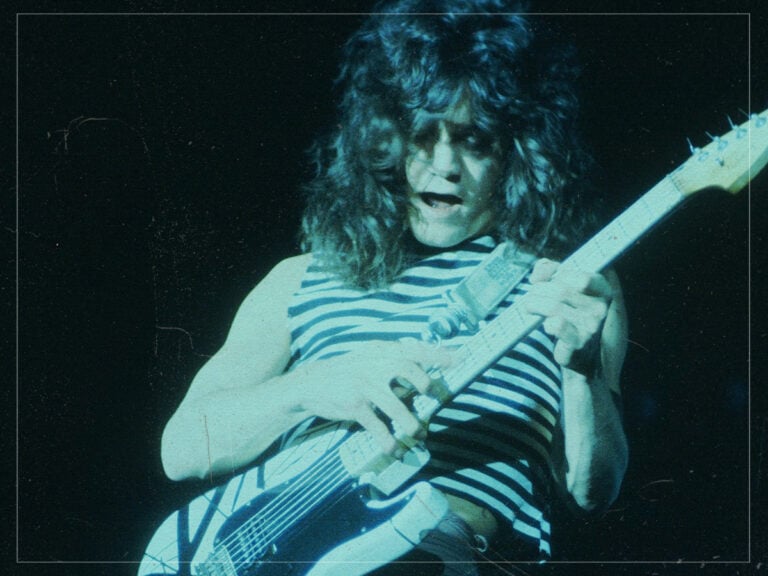


In hindsight, though, the single served an important purpose in shaping Henley’s solo identity. Even if it confused listeners at the time, it proved he wasn’t interested in becoming a nostalgia act living off former glories.
The socially conscious edge of ‘Johnny Can’t Read’ laid the groundwork for later songs like ‘The Boys of Summer’ and ‘All She Wants to Do Is Dance’, where Henley balanced sharp observations about American culture with increasingly sophisticated production. It may not have been the ideal commercial introduction, but it established the creative independence that would define the strongest moments of his solo career.
Once people got a taste of the song ‘Dirty Laundry’, though, they were much more in tune with what Henley was going for. He had already been in the public eye for so long, so this sleek bit of funk-infused rock and roll was a lot more familiar to them, talking about the kind of paparazzi that will do anything to prevent artists from living their lives in peace.
Still, that doesn’t mean that ‘Johnny Can’t Read’ is the worst track Henley released or anything. It’s definitely not the first thing that most artists would think of when he comes to mind, but his flirtation with R&B actually got more acquainted with that softer style of playing, which would become a lot more refined when he worked on albums like The End of the Innocence later.
Despite Henley returning to the comfort of the Eagles once the 1990s kicked into high gear, ‘Johnny Can’t Read’ is a good indication of why artists should spread their wings in their solo careers. It might not always be what the audience wants to hear, but if you hold on long enough, there are bound to be a few surprises that even they didn’t know they were capable of.
