


The 1979 album Ozzy Osbourne was happily addicted to: “Meat and potatoes”

Ozzy Osbourne lived a life of extraordinary proportions.
The arc that took him from the nightclubs of Birmingham to the global major leagues within a few short years is one of music’s most impressive. Making his name as the frontman of Black Sabbath, together with his bandmates, guitarist Tony Iommi, bassist Geezer Butler and drummer Bill Ward, he helped create a heavy form of dark blues that would lay the basis for the genre now known as metal.
Everyone owes a lot to the group, from explicit fans such as Judas Priest and Sleep to more subtle metal outfits such as Deftones. Whether it be the gothic atmosphere of their 1970 self-titled debut, the swaggering grooves of Paranoid, its follow-up from later that year, Paranoid, or even the stoned magic of 1971’s Master of Reality, there are many moments of note. Accordingly, by the time Ozzy Osbourne came to be known as the ‘Prince of Darkness’ in the middle of the decade, he was well deserving of the title.
The story of Osbourne is famous, with him one of the common exhibits in the study of the classic rock and roll lifestyle. He was fired from Black Sabbath for drug and alcohol problems in 1979 and then went solo.
With a new band in tow – which included guitar hero Randy Rhodes – he released his debut solo album Blizzard of Ozz, and it remains one of his greatest efforts to date. Featuring the timeless tracks ‘Crazy Train’ and ‘Mr. Crowley’, this body of work was so successful, despite the personal odds stacked against the vocalist, that it crystallised his position as the one and only overlord of metal.

That resurgence wasn’t just a comeback; it was a reinvention. Stripped of the band dynamic that had defined his early years, Osbourne was forced to re-establish himself on his own terms, leaning into both his persona and his musical instincts. It allowed him to evolve from frontman to fully-fledged solo icon, capable of shaping his sound with a new level of control.
It also marked the beginning of a second act that would prove just as influential as his first. By embracing fresh collaborators and adapting to the changing landscape of heavy music, Osbourne ensured that his legacy wasn’t confined to Black Sabbath alone. Instead, he became a bridge between generations of metal, maintaining relevance while still honouring the roots that made him a legend.

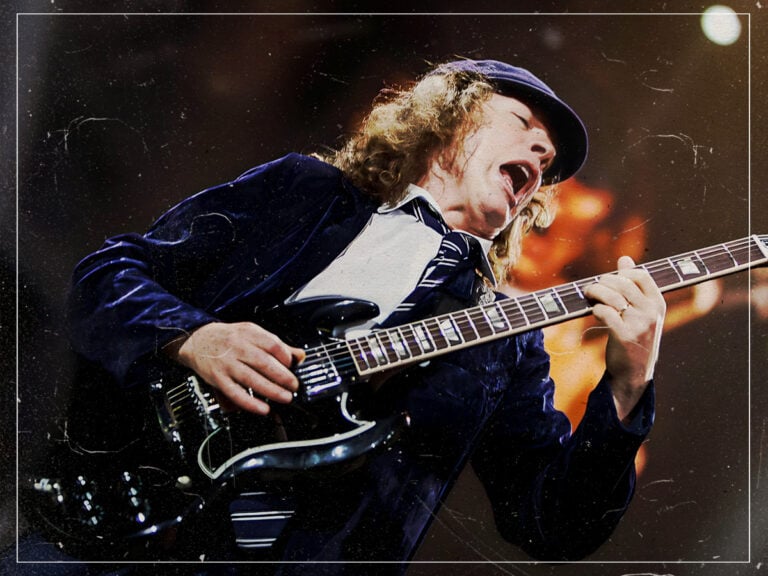
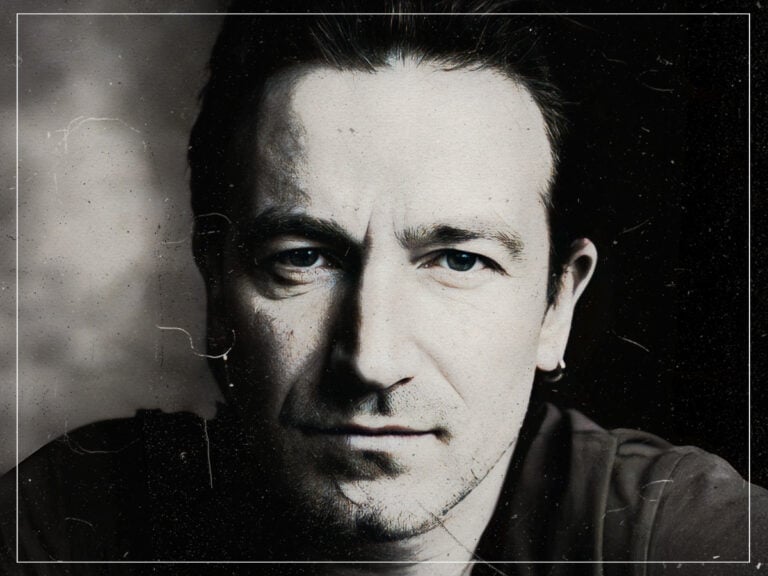
Given his inextricable link to the world of metal, Osbourne was one of the best placed to comment on the many different areas it encompasses. When speaking to Rolling Stone in 2017, he listed his ten favourite metal albums of all time and included some bona fide classics. Among them were Led Zeppelin’s Led Zeppelin IV, Judas Priest’s British Steel and Pantera’s Cowboys From Hell.
While Osbourne was unsurprisingly effusive about all ten albums, he reserved special praise for AC/DC’s 1979 album Highway to Hell and looked back on the great impact it had on him around the time of release. Osbourne fell so deeply in love with the album that he compared it to an “addiction” – and that’s coming from a man notorious for his struggles with substance abuse.
He said of the album that contained ‘Highway to Hell’ and ‘Touch Too Much’: “I love Brian Johnson, but to me, my good friend, the late Bon Scott, was the best singer AC/DC ever had. This album was like an addiction to me.”
He reiterated his love for the band on the Broken Record podcast. “I love AC/DC, they were great. Bon Scott was a great singer. I mean, Brian [Johnson]’s alright, but I prefer Bon. They opened for Black Sabbath in 1971, I think, in Sydney, Australia. Angus [Young], he played meat and potatoes – that’s what I like about them: there ain’t no one to touch Angus Young for that groove.”
