


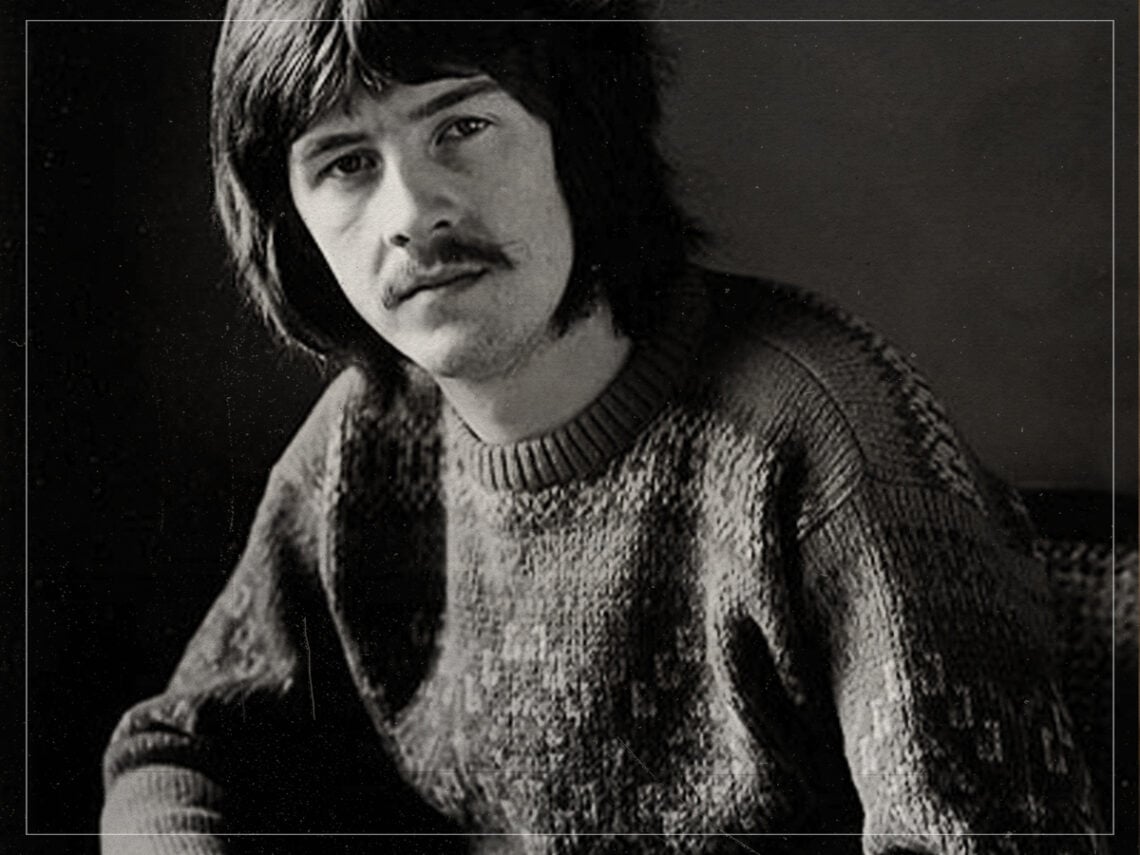
The 1973 Led Zeppelin song John Bonham never wanted to release: “Really boring”

The faults in Led Zeppelin’s back catalogue are few and far between. Across their career, the band delivered an impressively strong set of songs. Powerhouse tracks like ‘Whole Lotta Love’ sit alongside the folk-leaning ‘Gallows Pole’, before the band charges back into the wild, locomotive energy of ‘Immigrant Song’. It means that whatever your musical taste, there’s likely a Zeppelin track that will pull you in.
But with such diversity, even within the classic rock genre, the band also has a number of songs that divide listeners. While technically impressive and objectively strong, some tracks simply don’t land the same way as others, but that’s the nature of art, of course. And it wasn’t just audiences who felt that way. The band members had their own favourites and least favourites too. In fact, there was one song that drummer John Bonham openly disliked, wishing the band had never released it.
Along with the sheer talent of the four members, Jimmy Page’s virtuoso six-string playing, Robert Plant’s golden god wailing, and John Paul Jones’ unstoppable rhythm, carried by John Bonham’s drums, an asset that made Led Zeppelin such a powerhouse, was their daring nature. They were brazen and unafraid to test themselves in areas that made other groups cower.
More often than not, they would swim rather than sink at every new juncture that they experimented with. However, it was not always the case, and on one occasion, Bonham’s heart was never invested from the very beginning of the creative process.
Houses Of The Holy’s quasi-reggae track ‘D’yer Maker’ contains a title that doubles up as a cringe-inducing pun on the word ‘Jamaica’, which sets the tone for the effort. In truth, it could have done better, and Bonham knew from the start that this wasn’t their area of expertise. But where they had often succeeded in changing genres, the band’s hubris got in their way.

Part of the problem, though, was that Led Zeppelin were trying to flirt with reggae without ever fully committing to it. The band had spent years absorbing American blues and folk traditions until they could bend those sounds to their will, but I mean, honestly, reggae was a different beast entirely. The rhythm depends on patience and space, something very far removed from Bonham’s usual thunderous style. What might have started as a playful studio idea ended up sounding like a band visiting a genre rather than living inside it.
Of course, Bonham wasn’t alone in this school of thought, and most fans have now moved their preference away from the cheesy number. Interestingly, it didn’t emerge until after his death that he had problems with the song after his bandmate John Paul-Jones recollected the drummer’s complaints. “John was interested in everything except jazz and reggae,” Jones explained in Chris Welch’s biography, John Bonham: A Thunder of Drums.
“He didn’t hate jazz but he hated playing reggae – he thought it was really boring”.
John Paul-Jones on John Bonham

“He wouldn’t play anything but the same shuffle beat all the way through it,” Jones told the biographer. The Led Zeppelin founding member even went as far as to add that Bonham “hated” the song. Jones continued: “It would have been all right if he had worked at the part, [but] he wouldn’t, so it sounded dreadful.”
Perhaps Jones has a point, and Bonham’s off-kilter drumming is what toxified the song, but it was hardly a glimmering performance from any of the members. Meanwhile, in 1977, Jimmy Page addressed the controversy surrounding the song following the cold reception it received from fans and critics alike. “I didn’t expect people not to get it,” Page explained. “I thought it was pretty obvious. The song itself was a cross between reggae and a ’50s number, ‘Poor Little Fool’, Ben E. King’s things, stuff like that. I’ll tell you one thing, ‘The Song Remains The Same’ was going to be an instrumental at first. We used to call it ‘The Overture’.”
He then explained why they never performed it live, adding, “We couldn’t. There were too many guitar parts to perform with.”
What made Led Zeppelin such an elegant force of nature was that all four members of the group were arguably the most gifted in the world in their specific roles. However, when one person didn’t bring their A-game, like Bonham in this case, that dynamism dissipated, and Led Zeppelin were bereft of that special sparkle that usually illuminated their work.
Even so, the track still says something about the band at that point in their career. By the time Houses of the Holy arrived in 1973, Led Zeppelin were restless and unwilling to repeat themselves. They were trying everything from funk to acoustic folk, and the occasional misfire was the price of that ambition. ‘D’yer Mak’er’ might not sit comfortably beside their greatest moments, but it remains a reminder that Zeppelin were never content simply doing what people expected of them.

Never Miss A Beat
The Far Out Led Zeppelin Newsletter
All the latest stories about Led Zeppelin from the independent voice of culture.
Straight to your inbox.