


The 1972 classic rock song Dave Grohl called “the coolest thing I’d ever heard”

Most rock bands need more than three chords to get them to superstardom. The songs might be paramount to any great rock and roll outfit, but there’s usually a bit of magic hidden in between everything for them to go from decent underground tunes to soundtracking stadiums around the world. And although Dave Grohl could teach a class on how to make rock and roll anthems at this point, he admitted that nothing got cooler than listening to this tune when he was a teenager.
When Grohl first fell in love with music, though, it was always about melody before anything else. Despite being accounted for in some of the first major hardcore punk outfits, this was a guy who openly expressed his love for people like The Beatles and The Zombies back in the day, so it was never out of the question for him to write something as pop-flavoured as ‘Learn to Fly’ or ‘Big Me’.
But Grohl was also about more than the singalongs. He was a pure technician whenever he worked in Nirvana, and considering how many drum legends he considered influences, he was never afraid to get weird on his own recordings. His musical diet of Rush and Led Zeppelin helped teach him that the best music in the world didn’t fit into a neat box, and that meant going through songs where no singing was involved.
That appreciation for instrumentals was not just about technical showmanship, but about the freedom they offered. Without lyrics to anchor meaning, the music had to carry everything on its own, creating mood and momentum through pure sound. For a young listener like Grohl, that opened up a different way of thinking about songs, where structure and feeling could exist independently of any narrative.
It also highlighted how personality could come through in playing alone. The best instrumental tracks did not feel empty or incomplete, but instead revealed the character of the musicians in a more direct way. Every shift in tone or rhythm became part of the story, something that would later inform how Grohl approached arrangement, even when vocals were front and centre.
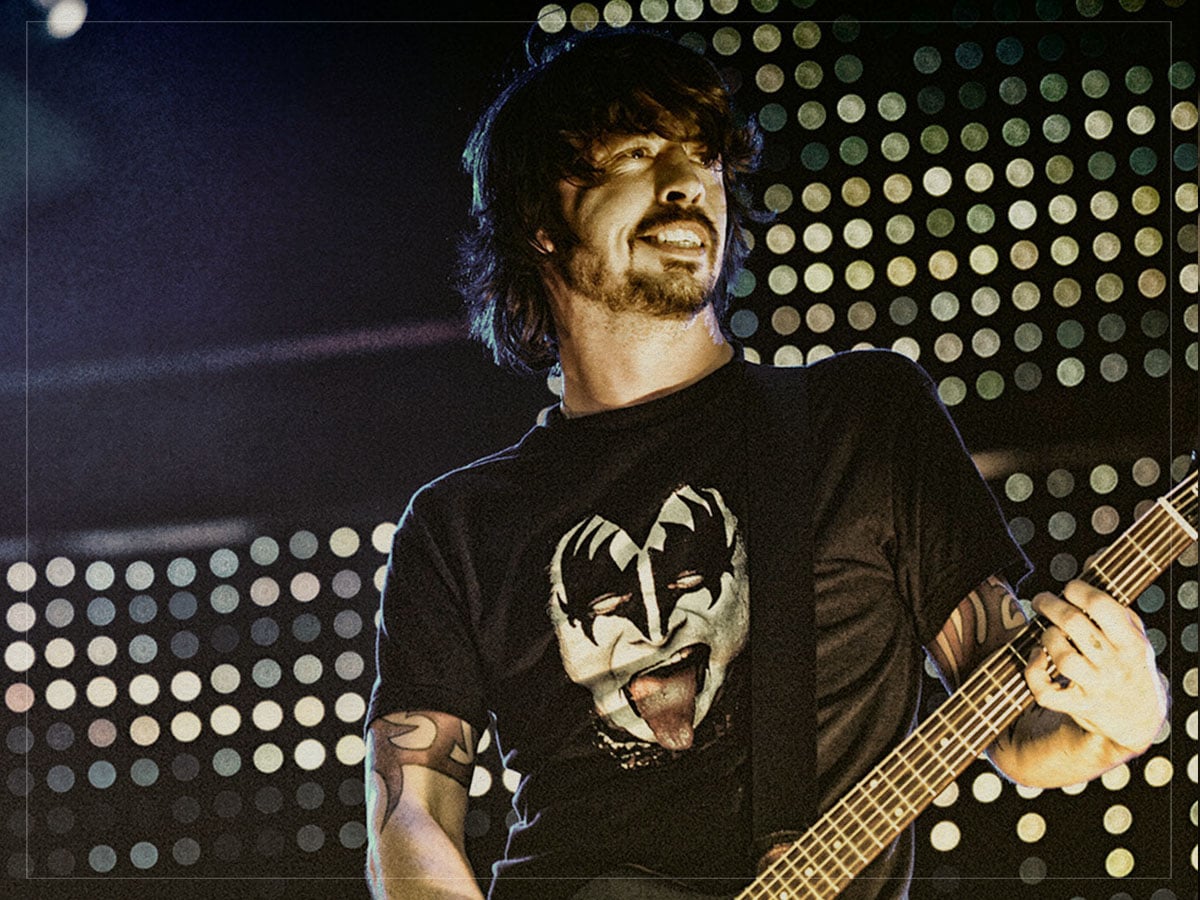
Then again, having an instrumental track is usually either the high point or the kiss of death to any great rock and roll record. Elton John may have been able to craft an immaculate piano concerto on ‘Funeral for a Friend’, but there are countless bands who want to break up their albums to create interludes and instead lull their audience to sleep. For someone like Edgar Winter, though, singing would have only got in the way during ‘Frankenstein’.
Despite being known nowadays as the guy behind ‘Free Ride’, ‘Frankenstein’ is still one of the most badass riffs of the 1970s. Going through every piece of the track, it’s less of a song and more like a musical masterclass over five minutes, with Winter eventually switching out his keyboard for any other instrument he can get his hands on before locking in with the band towards the end.
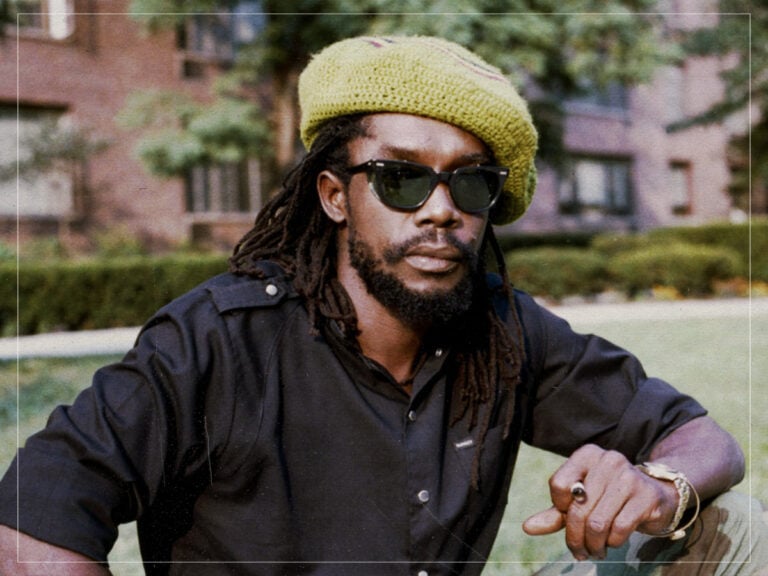
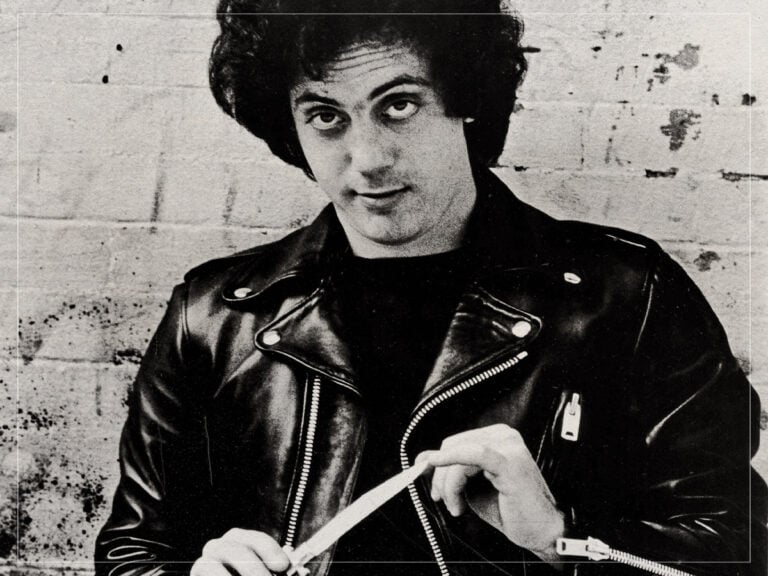

Grohl may have picked up the whole record to see what Winter was up to, but by the time ‘Frankenstein’ started, nothing mattered anymore, saying, “I fuckin’ wore that thing out. And only that song. I couldn’t give a shit about anything else on that record; it was just all about ‘Frankenstein’. An instrumental, you know? No lyrics, just fuckin’ soloing. I thought it was the coolest thing I’d ever heard. I was so into it.”
And while there aren’t nearly as many Foo Fighters instrumentals as there should be, Grohl seems to approach every one of his records to showcase the band’s talent. Their debut was already an excuse for him to play songs with every instrument that he could, but once the band got into the 2000s, In Your Honour was their biggest artistic stretch by releasing an album with an arena-sized rock album on one side and soft-spoken singer-songwriter project on the other.
Even when Grohl combined the two styles together, he was still taking cues from Winter’s melodic side on tunes like ‘But Honestly’, which practically serves as one big buildup to one of the greatest guitar solos of the 2000s. Grohl was always ready to quote his own heart in his lyrics, but he knows better than anyone that melodies speak louder than words ever could.
