


The 1970s band Lars Ulrich called the definition of rock: “The energy was insane”

Most of what Lars Ulrich did for Metallica has almost nothing to do with music half the time.
Even though he is regarded as one of the foundational members of the band and one of the most divisive drummers of all time in metal circles, a lot of what Ulrich did on the business end of things is the reason why Metallica have endured throughout all these years. But even when he lived and breathed metal back in the day, Ulrich’s perception of what his music should have changed more than a few times.
That might sound insane coming from a band that literally has their genre plastered across its forehead, but Ulrich does at least have some good judgment. There’s no chance that he’s suddenly going to wake up one morning convinced that the band have found their new calling in making a ska album or anything, but he did understand the mechanics of where rock and roll came from long before Black Sabbath invented his genre.
Deep Purple always considered themselves a rock and roll outfit, and since Ulrich worshipped them like gods every single time he performed, it made a lot more sense for him to make music that reflected the titans of music. He could have kept drawing from bands like Diamond Head and Angel Witch if he wanted to, but that wouldn’t have made a difference if he was trying to reach the average rock and roll fan.
And on The Black Album, the stage was practically set for them to make something a bit more commercial. They weren’t going to suddenly go backwards and make another version of And Justice For All, and a lot of Ulrich’s homework was looking out for people like Phil Rudd of AC/DC when he performed. He didn’t have the same kind of chops that Neil Peart did, but the art of laying down a groove was something that the Australian rockers knew like the back of their hand.
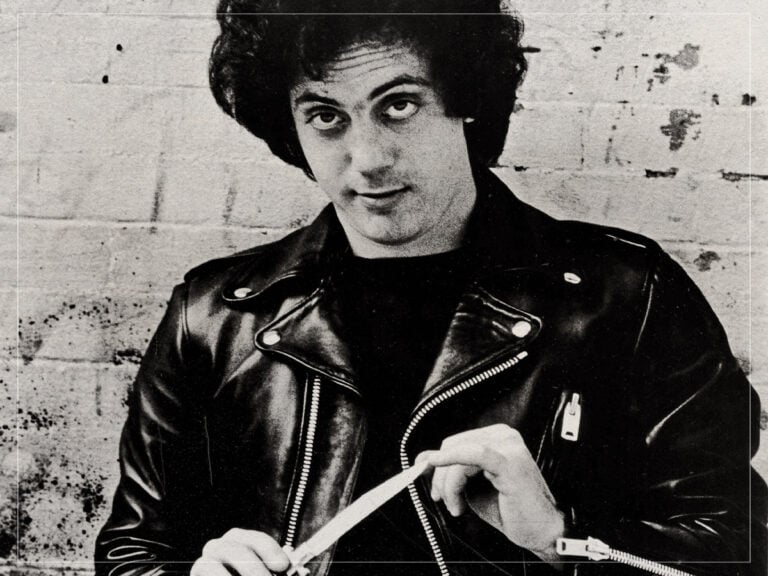
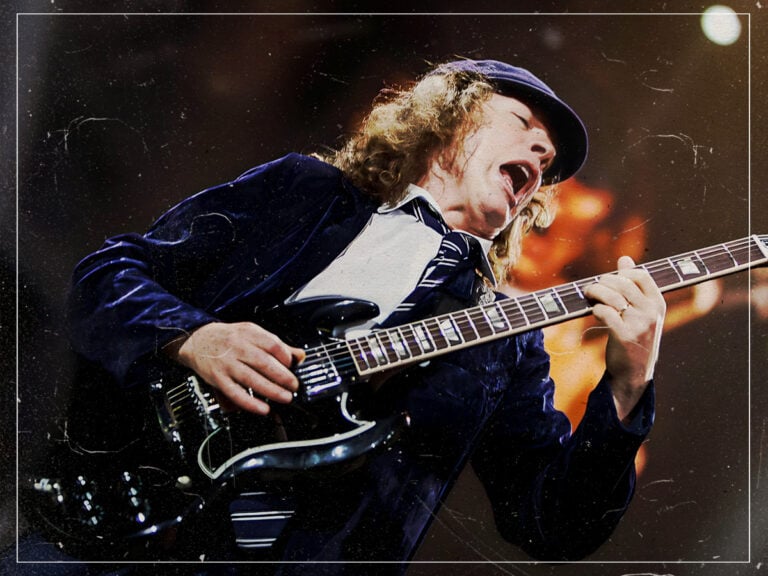
They knew what they were about and weren’t afraid to blast the living daylights out of their audience, and for Ulrich, that was what rock and roll was all about, saying, “I saw AC/DC with Bon Scott four times, opening for Black Sabbath and Rainbow and then playing their own shows in Copenhagen in 1977 and San Francisco in 1979, in my early teens. The energy was insane: Angus strutting across the stage, all guitar solos, sweat, hair, no shirt on and Bon Scott, also shirtless, tight jeans, the coolest frontman ever. To me the definition of rock ’n’ roll attitude is AC/DC in those formative years.”
But note the description there: in their formative years. Say what you will about Brian Johnson, and believe me, he is a force to be reckoned with, but Scott was built much differently than most frontmen. Not many people are able to sound cool when writing about being in a rock and roll band, and yet when listening to Scott sing, he was always the life of the party whenever he shrieked his way through songs like ‘TNT’ and ‘Highway to Hell’.

It’s not like they suddenly “went pop” with Johnson, though. They had a better sense of what they wanted out of their songs, but when Scott was singing, they could afford to loosen things up a bit. Their songs could be focused on jams a little bit more, and when you look through some of their deep cuts, there are more than a few tunes that seem downright bluesy compared to the traditional rock and roll everyone was used to.
In fact, the influence of AC/DC is probably why the band hasn’t really done anything too out of the ordinary ever since 2008. They might be trying to keep fans happy after royally screwing things up on St Anger, but if AC/DC can abide by the ‘if it ain’t broke don’t fix it’ rule, there’s no reason why Ulrich couldn’t do the same thing when working through a lot of his greatest hits with the band.
