


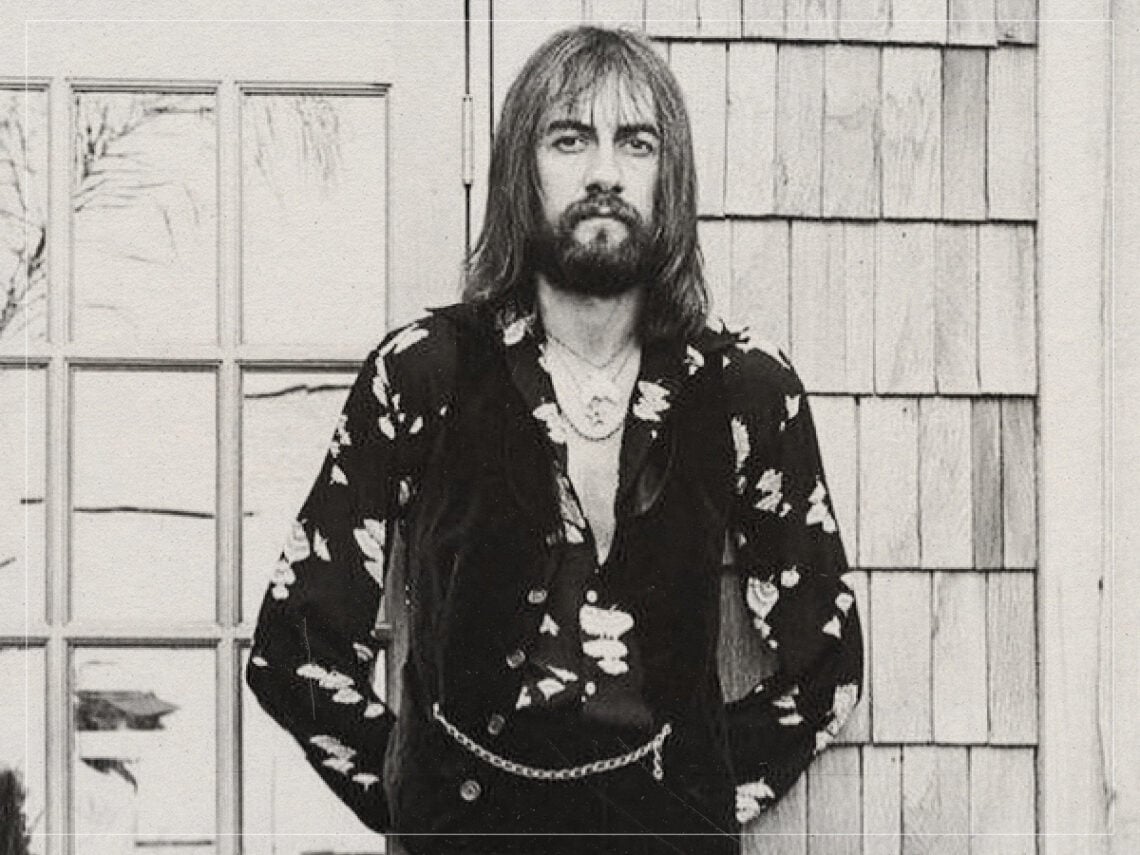
The 1969 song Mick Fleetwood will always love playing: “The best of the best”

A lot of people tend to take Mick Fleetwood for granted when talking about some of the almighty heroes of rock and roll history.
Fleetwood Mac have already cemented their legacy as one of the most timeless bands of the 1970s, but if you look at Fleetwood’s entire career behind the drum kit, he holds the record for being part of the longest-lasting rhythm section in rock and roll history alongside John McVie. But for all of the great moments that he made with Lindsey Buckingham and Stevie Nicks out front, a lot of people tend to forget about where ‘The Mac’ started all those years ago.
Because if you think about it, the only reason why Fleetwood Mac existed at all was thanks to Peter Green. He didn’t last in the band as long as everyone would have hoped, but when looking at his pedigree, there are hardly any other guitarists that could have claimed to take over for Eric Clapton in John Mayall’s Bluesbreakers and hold their own as well as he did. But he wasn’t looking to simply replicate Clapton, either.
Green’s entire style was a lot more lyrical than any other guitarist in England at the time, and when you look at the kind of tunes he was writing, it’s much easier to understand where he was coming from. ‘Black Magic Woman’ already had some of the greatest guitar playing ever put to vinyl years before Carlos Santana got his hands on it, and even when they were doing their own renditions of old blues tunes, a track like ‘Rattlesnake Shake’ was proof that they could hang with the greatest in the country.
Albums like Rumours and Tusk tend to overshadow the band just a little bit in their early days, but it’s not like they were nobodies by any stretch. ‘Albatross’ is still one of the coolest instrumentals of the 1960s that even had The Beatles impressed by what they heard, but ‘Oh Well’ was the first time that they landed on something that could have been considered a blues standard if it were released years before.
It wasn’t in the same league as songs like ‘Killing Floor’, but anyone who has ever studied blues rock can learn a thing or two from what Green was playing here. He wasn’t afraid to get a little bit weird with whatever he was writing, and while Fleetwood could only try and keep up with what the rest of the band were doing, he was more than happy to celebrate their old song any chance that he could.
He wasn’t going to be pulling the song out and replacing ‘The Chains’ or ‘Dreams’ in the setlist, but he felt that it was a good reminder of where the band came from, saying, “The structures that I was able to put together make it something that is very unique. It’s become a real staple of the diet, way more so than I ever realized with our contemporaries and the best of the best – they’re absolutely fascinated with this song. I always jump at the chance of doing it; in fact, I got Lindsey to put it into the set for the last Fleetwood Mac tour, which was quite unusual for him to do.”
Even when Buckingham was gone, though, getting Mike Campbell to sing parts of the verses live worked like a charm as well. Campbell had already done his fair share of blues homework after years of working with the Heartbreakers, so hearing him step into those musical shoes was like a dream come true for a kid who had grown up dissecting bits and pieces of what other blues giants were doing.
So while Fleetwood Mac transformed into something very different when Nicks and Buckingham joined the fold, there’s a reason why a song like ‘Oh Well’ gets the same respect from guitarists like Slash and Kirk Hammett. It’s a piece of blues rock folklore at this point, and anyone who has ever tried to put more of a bluesy slant can definitely benefit from looking at everything that Green ever played.

Never Miss A Tale
The Far Out Classic Rock Newsletter
All the latest Classic Rock content from the independent voice of culture.
Straight to your inbox.