


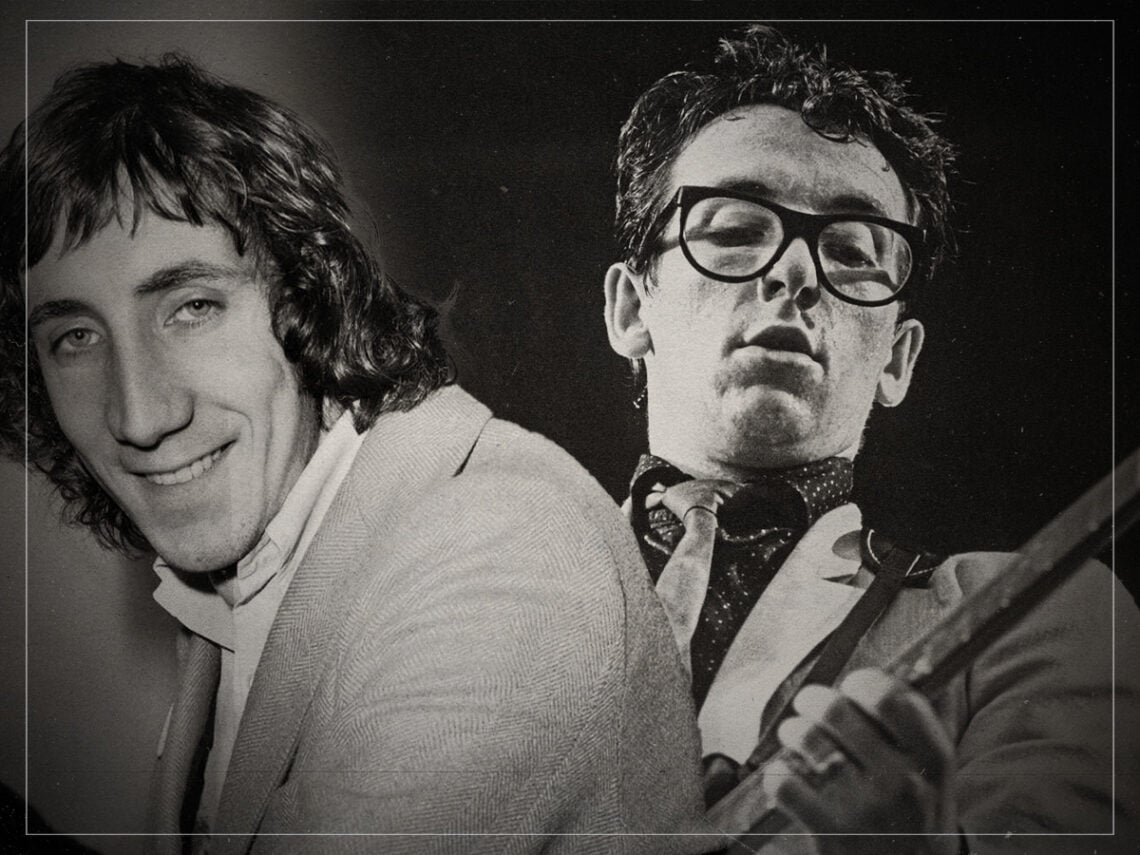
The 1967 classic that made Elvis Costello turn his back on The Who

When you find yourself listening to a style of music radically different to what’s popular with your peers, it can feel confusing to figure out where you fit in.
Something that rings especially true during adolescence, when your formative opinions start to develop, and you emerge with something akin to an identity for the first time in your life, thus, you might feel like something of an outcast, constantly looking for anyone who can make you feel vindicated in your tastes.
For a personal example, all of my closest friends at school were into metal, and frankly, I couldn’t wrap my head around that, trying my hardest to understand what it was they loved about the genre in an attempt to slot in, but equally, my efforts to introduce them to the art rock influences I’d been surrounding myself with in my teens were met with outright confusion.
After many years of searching, I’d eventually find a crowd of people who were into the same things as me, but choosing to go against the grain can definitely feel isolating, and it’s important to realise that you’ll eventually discover where you need to be.
For a young Declan McManus, long before he went on to find fame as Elvis Costello, growing up in an area far from where his family originated from in Liverpool, he would have undoubtedly been eager to find the right people to associate himself with.
However, everything that surrounded him during his upbringing in South West London was of zero interest to him, and it was his decision to turn his back on one prominent group from the area that ultimately helped him identify where he was meant to be. During a 2004 interview with Rolling Stone, he acknowledged that despite being surrounded by plenty of popular acts of the period, his real interests lay elsewhere.
“Between five and 16, I lived in Twickenham,” he recalled, going on to list some of the notable acts who passed through the local area in the 1960s, “The Rolling Stones were playing nearby, at the Station Hotel in Richmond. The Who were at Eel Pie Island. The Yardbirds lived in the next street. They had a van with ‘Yardbirds’ written on it. I’d see Peter Green in this record shop I used to go to, looking like Jesus in his rugby shirt and long hair.”

While he was “living in rock and roll central”, as he put it, he didn’t quite understand the hype surrounding these acts, and his determination not to buy into the local buzz ended up in him feeling a little lost. “I was into American stuff and The Beatles,” he noted, before adding, “I never paid attention to The Who after ‘I Can See for Miles’. I’ve never heard Tommy. I don’t own a copy of Who’s Next”.
It may have been alienating as the only person nonplussed about the rise of The Who as they emerged from the local area, but this decision to set himself apart was ultimately good for him, because what this rejection allowed him to do was develop a confidence in what he wanted to do.
And it ultimately helped him fall in with the burgeoning punk scene and discover a family of like-minded folk once he was signed to Stiff Records, proving that not letting your environment dictate your taste will help it all work out in the end.
