


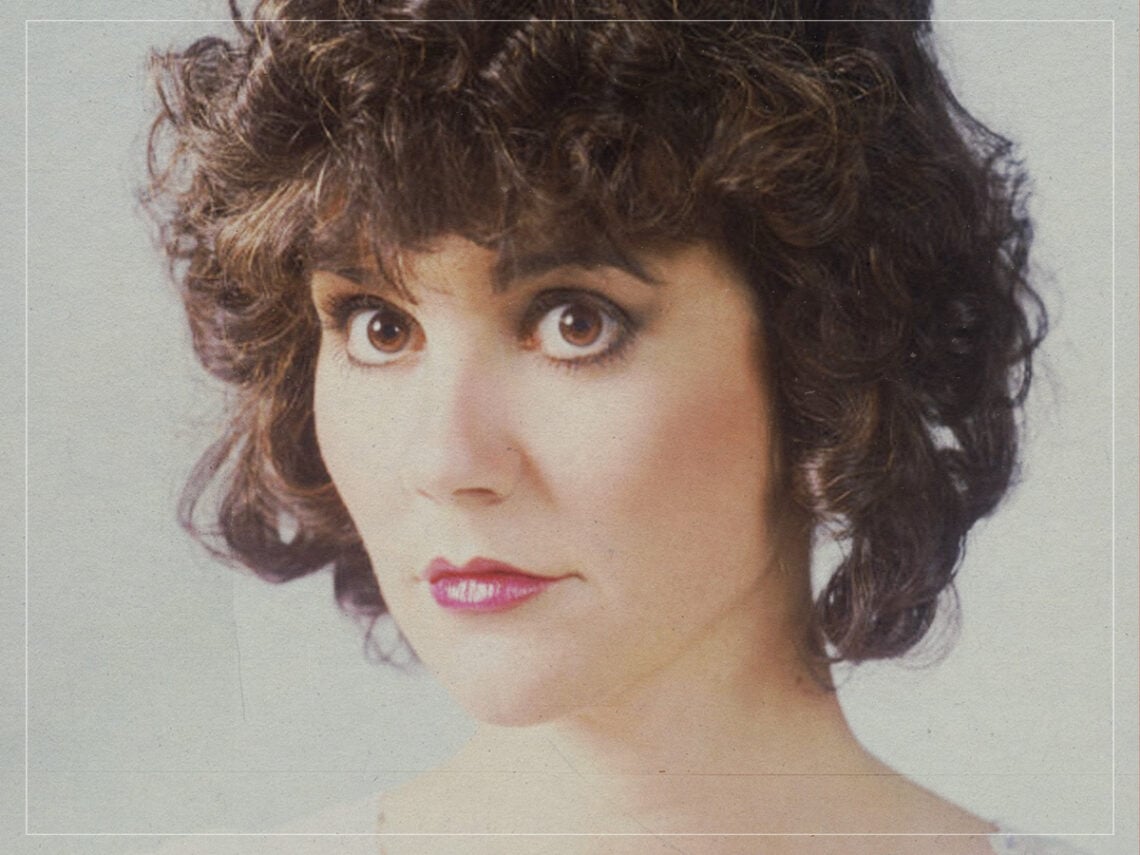
The 1960s singer Linda Ronstadt called impossible to hate: “Great respect”

Nothing that Linda Ronstadt ever did came from any sense of ego.
She was only too happy to be able to sing for a living, and when she bowed out gracefully after being diagnosed with Parkinson’s disease, she had left the kind of legacy that most people only dream of having. But even if there were many times where she didn’t look back all that fondly on her greatest records, she felt that some singers commanded any room they sang regardless of how many people were in there.
And that’s a difficult thing to do for anyone who isn’t used to donning the stage like that. Ronstadt had always lived and died based on her live performances, and while she didn’t have the most engaging stage presence in the world or anything, she was able to level an entire arena of people by nothing but her voice when she broke out into her version of The Stones’ ‘Tumbling Dice’.
But being a rock and roll musician wasn’t exactly what she had planned for herself. She wanted to have a diverse catalogue, and every one of her albums was an excuse for her to try on something new and see what worked. And the more time she spent away from rock and roll, the more she felt comfortable leaving that side of her in the past. She had done everything she could, and the next phase of her career was about trying to make soft ballads and going well outside of the pop market.
There was nothing wrong with her popping up every now and again and making a duet with one of her friends, but by and large, she felt that she should leave it to the professional rock singers to get that job done. She was much more interested in softer music, and even when she was in her prime, it’s not like she was the best frontwoman the world had ever seen when she got up onstage.
Don’t get me wrong: she was great for what she did, but when looking at those who attacked the stage, she wasn’t going to be doing the same thing. The real masters of their craft were the ones who were trying out different things onstage, and while Jim Morrison was a bit too brazen for her taste, Janis Joplin had everything that she wanted when she was listening to the blues every night.
Joplin was the kind of belter that any band would have killed for, and even if Ronstadt wasn’t the same brand of singer, she had nothing but respect for Joplin’s craft, saying, “As for Janis, it was impossible not to love her. She was a sweet, sincere person, and she truly loved the music. Not only was she passionate about the blues, but she had great respect for the people whose shoulders she stood on, which I appreciate.”


And that’s before you even get into what she had been doing later on in her career. There was a part of Joplin’s voice that seemed indebted to everything that her heroes had done, and while there are more than a few blues belters that did nothing but scream out every line, ‘Me and Bobby McGee’ was the kind of song that showed everyone a different facet of what she could do whenever she sang.
So while Ronstadt did have a much different way of looking at music than Joplin did, it was all about trying to find someone who was a master of their craft, and Joplin personified that to a tee. No one else would have thought to make something that sounded like that, and even if Ronstadt was coming out around the same time, she never felt threatened when she sang next to one of the greatest singers of her generation.
