


The 1960s rock album that gave birth to Paul McCartney’s epics: “It allows you to stretch”

If you were an emerging musician in the 1960s, in need of inspiration, you didn’t have to look any further than The Beatles.
Not only had they cracked the nut when it came to handling fame, but they did it with all the artistic ambition of a musician devoid of that global pressure. Across their short but iconic seven-year career as a band, they explored every discovered region of rock and roll, before conquering new ones and showing a generation of musicians in their wake how one record could evolve from another.
The conversation around which Beatles record serves as the most inspirational could rumble on for decades, with everything from Please Please Me right up to Abbey Road having a universality to it that can be heard on countless modern records. But Sgt Pepper’s Lonely Hearts Club Band felt like a lightning rod of creativity for the band that struck culture in a far more powerful way.
It had all of the pop songwriting sensibilities that longtime Beatles fans adored, with the sprinkling of psychedelia that Revolver had introduced to make their first truly experimental record. But more than that, it had an overarching narrative that made it their first dip into conceptual songwriting, and in turn proved that their single writing mastery had the ability to bleed into something wider.
Ultimately, it was Paul McCartney’s baby that he wanted to craft after hearing The Beach Boys’ seminal record Pet Sounds. He realised that single writing alone wasn’t enough; the band had to write records that developed the first kernel of an idea.
Thereafter, McCartney’s songwriting would follow that trend, all the way to the end of The Beatles, right up until the formation of Wings, where he would eventually write another masterpiece. But this time, he wasn’t looking at The Beach Boys as a reference point, but rather an obscure and lesser-known album that slipped through the cracks of culture.
“There was an album that came out in the ‘60s called A Teenage Opera, and it had a couple of songs where there were different sections all put together, it wasn’t a usual rock ‘n’ roll record,” he commented. “This was more operatic in its form and I always liked that. You sometimes want to change something, you want to write a ballad, or you’re feeling a rocking thing, or sometimes a folk thing and then you want to put them together. It’s a format that I really enjoy writing, because it allows you to stretch. It’s something that I use quite often, like in ‘Band On The Run’.”
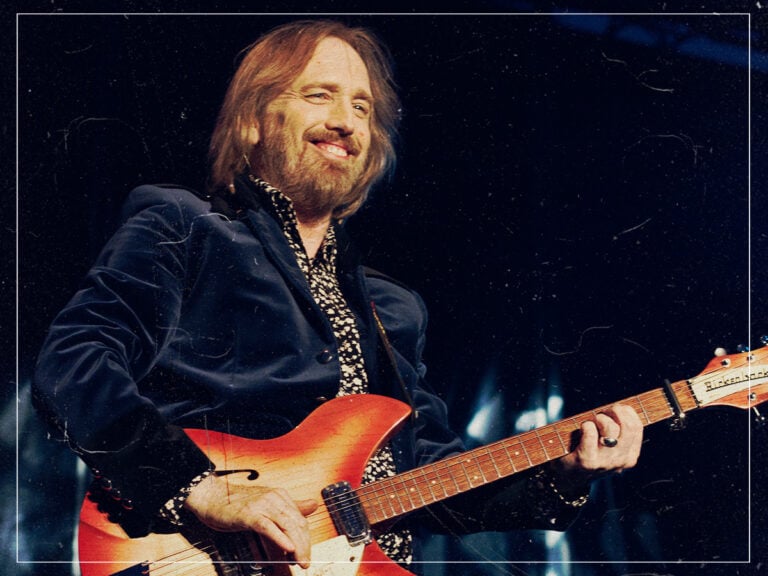

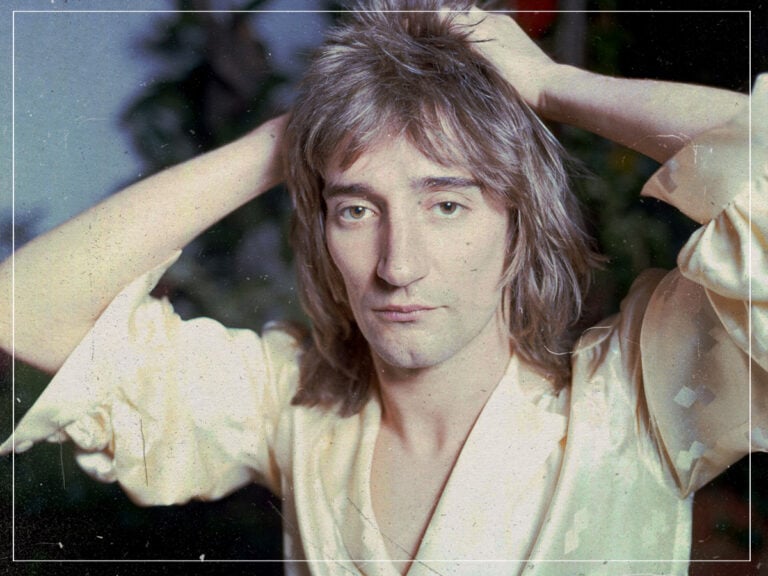
Keith West and Mark Wirtz’s ambitious project was released in ‘67, the exact same year as Sgt Pepper, and it showcases all of the same sonic details as McCartney’s famous album, from the piano melodies to the novelty horn flourishes.
It begs the question, then, that come 1973, when McCartney was in need of inspiration for what would become Wings’ most beloved album, he looked back to a record that largely existed because of how The Beatles influenced culture and, in turn, took inspiration from himself?

Never Miss A Beat
The Far Out Beatles Newsletter
All the latest stories about The Beatles from the independent voice of culture.
Straight to your inbox.