


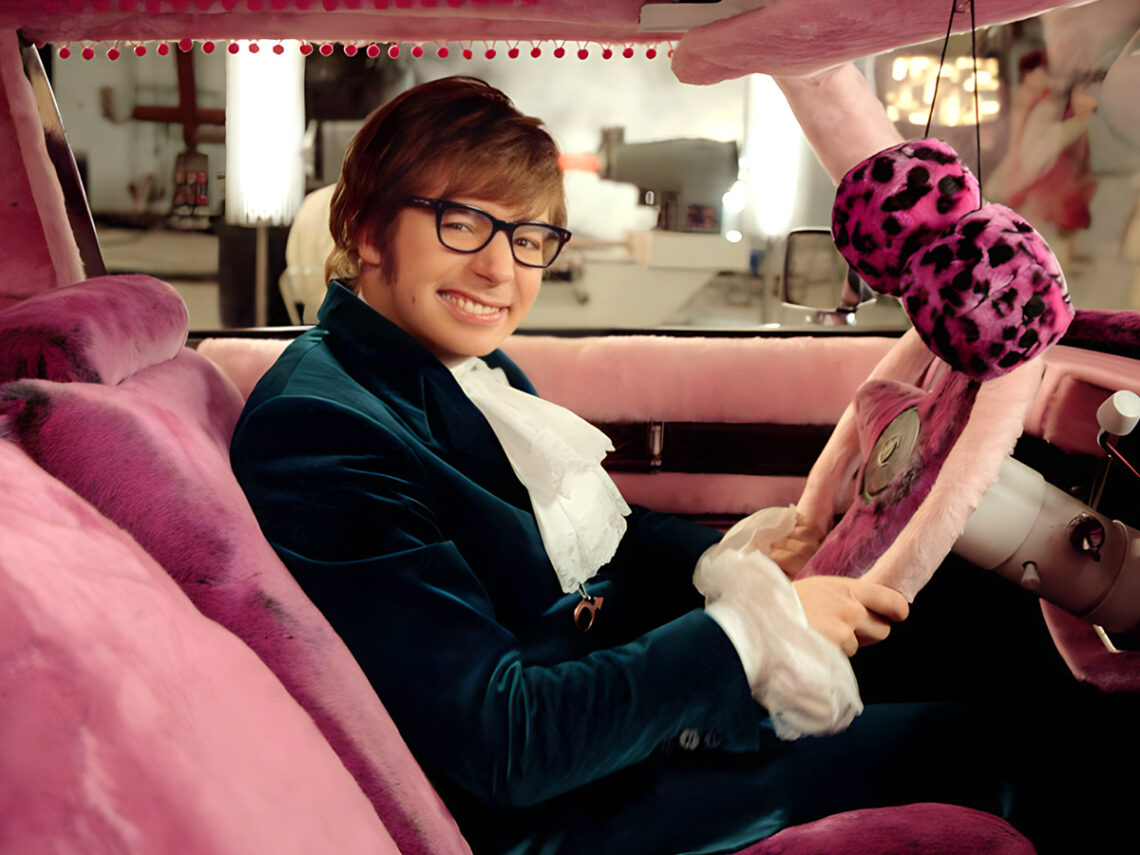
The 1960s musician Mike Myers based Austin Powers on

When the surprising news that Mike Myers’ smash-hit comedy frontman, Austin Powers, was returning in a fourth movie hit the headlines earlier this year, the internet rejoiced.
Myers’ character traversed the line of several personality traits so well that he became the best of all of them: Sleazy and stupid, cruel and kind, witty and whimsical, daft and delusional, but also, in his own way, charming and cunning. Myers has become so synonymous with the ginger-haired James Bond spoof that it is impossible to think of him as inspired by anyone other than Myers’ hilarious alter-ego.
Yet, in the 1960s, British musician and producer Peter Asher cut about his daily life in thick-framed glasses and crooked teeth, accentuated by a long, sweeping fringe. Myers took one look at a photograph from that time and realised he had found the symbol for his sex-addicted spy.
From Asher’s perspective, he was quick to separate the personality of Powers and the image of Powers into two separate camps, confessing only that “there were some photos of me back in the day with the glasses and the bad teeth and the red hair and all that. I had some influence pictorially on the look of Austin Powers”.
Interestingly, Asher’s visual style from the free-flowing 1960s was itself derived from the image of Buddy Holly, leaning into the dorkier side of celebrity culture. Holly, to him, underlined the fact that, in those days, “you could be a nerdy guy in glasses and still be a pop singer”. In the same way, Powers’ prowess proves that sex appeal isn’t the only thing a leading man needs.
Naturally, an entire field of inspiration goes into the creation of such a cultural figure, and Myers wouldn’t just stop with Asher. The overall idea of the salacious merry-maker came from the Dusty Springfield song ‘The Look of Love’, which sparked Myers’ idea to make Powers the ultimate symbol of the 1960s swinger.
Of course, would it be Austin Powers without mention of the secret agents he was so expertly satirising? Myers then lined up influences in the shape of Dean Martin, who played Matt Helm, who played James Coburn, and Michael Caine, who played Harry Palmer, the anti-hero protagonist of several films based on spy novels written by Len Deighton.
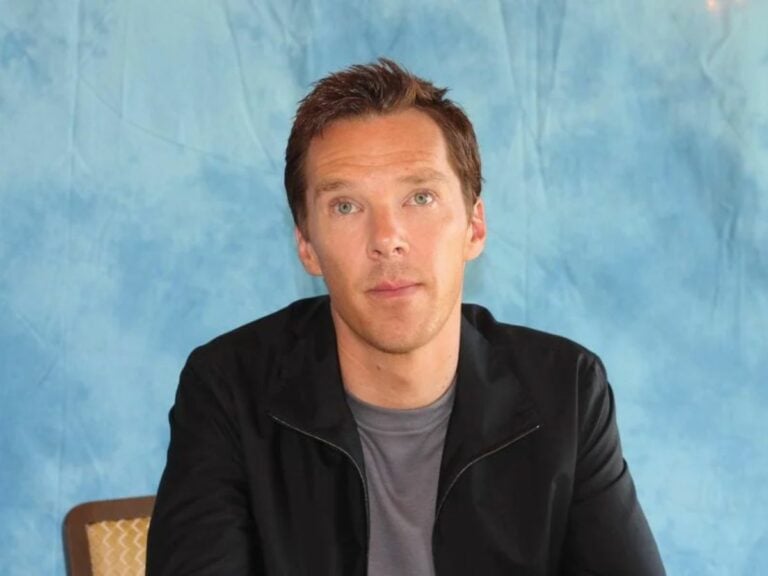
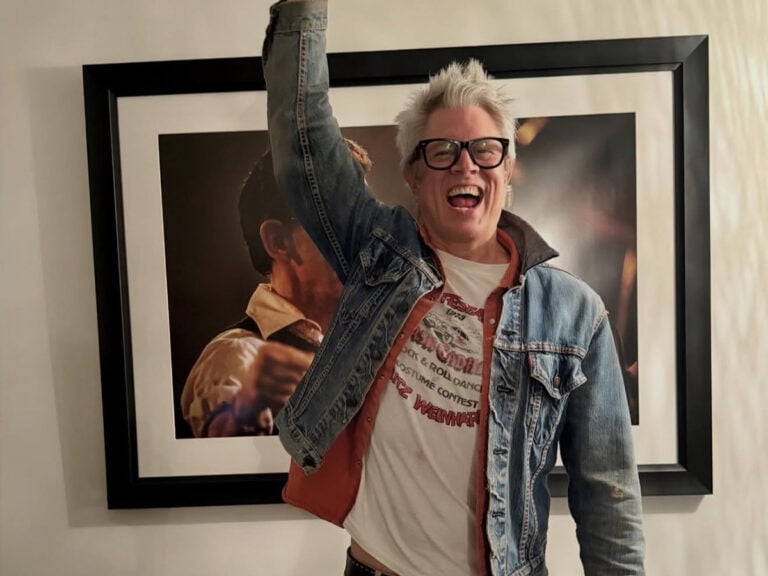
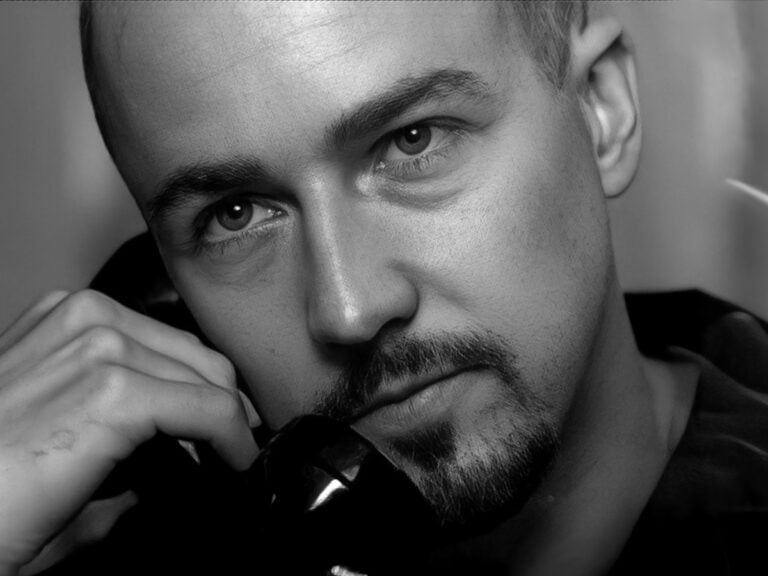
Beyond this, and in an echo of one half of Peter and Gordon’s pseudo-influence, the importance of music in Powers’ creation can’t be understated. The dashing fashion photographer first appeared as a persona for Ming Tea, a fake 1960s rock band Myers formed with Susanna Hoffs and Matthew Street. Then-wife Robin Ruzan loved the character so much that she convinced him to take it to the next level.
Lo and behold, Austin’s buck teeth, pulled from Asher’s glory days, were created by Los Angeles dental technician Gary Archer; from there, the British stereotype of the suave, not-so-sexy secret spy was born, and raked in hundreds of millions at the box office. Glory days ahead, and hopefully, more to come?

Never Miss A Tale
The Far Out Michael Caine Newsletter
All the latest stories about Michael Caine from the independent voice of culture.
Straight to your inbox.