


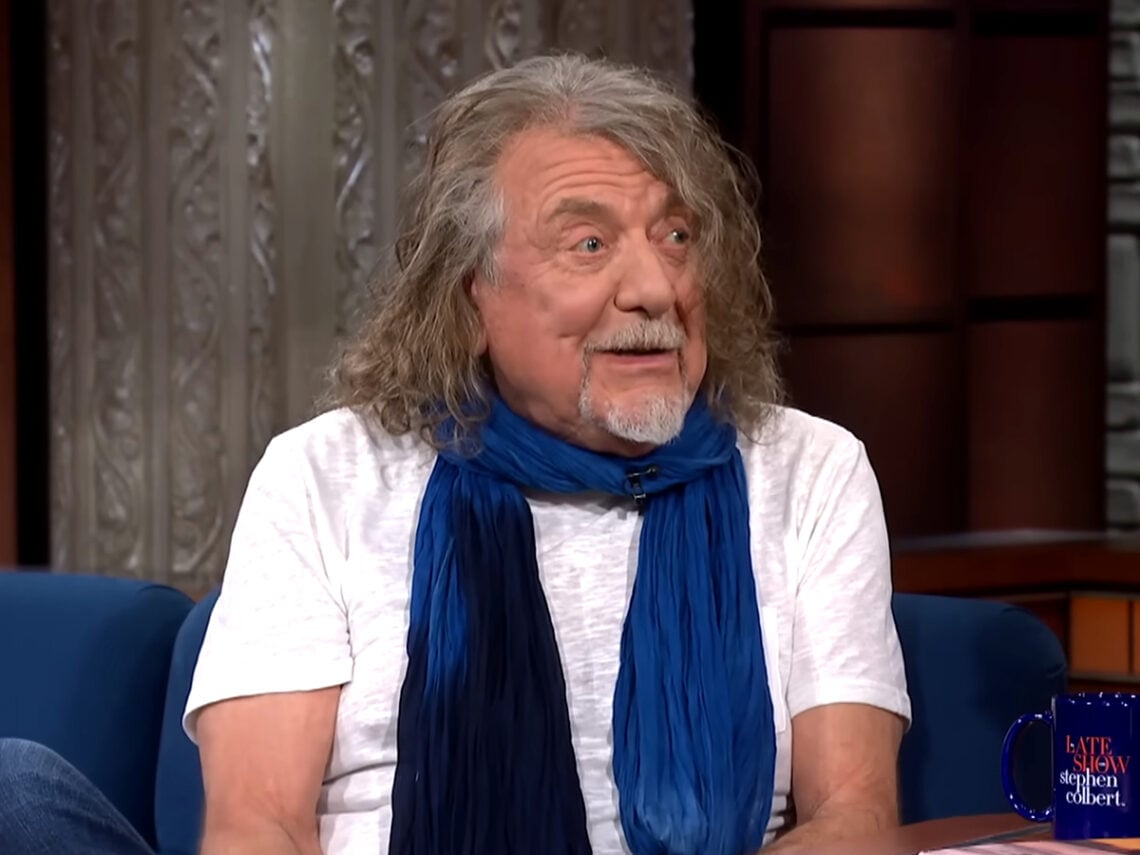
The 1958 song Robert Plant called the best to sing: “This is it”

Half of what Robert Plant did was about pushing himself into new territory.
Led Zeppelin was always changing things up on every single record, they made, and once the band had to fold after John Bonham passed away, there was no way that Plant was going to spend the rest of his life trying to play the same ‘Golden God’ character that everyone knew him for He had a much broader palette to work with, and he knew that some of the greatest songs he ever sang didn’t even need to be strictly hard rock.
Even when looking at Zeppelin’s back catalogue, not everything that they made was hard rock from the core. ‘Kashmir’ was the heaviest example of what world music was going to become, and while ‘Immigrant Song’ is one of the harshest tunes that they had ever made, there’s no way of calling them a true heavy metal band when they had so many great rockers that were entirely acoustic. So when Plant entered the 1980s, it was time for him to make a change in his own style.
He wanted the chance to do a lot of different things, but some of them may have felt like a case of too much too soon. Everyone would have loved to hear what he was cooking up when he started making his first solo records, but the idea of him trying to become a new wave artist wasn’t going to go over well with everyone who jumped on board listening to him wail on ‘Babe I’m Gonna Leave You’.
That kind of transition needed to be more gradual, but Plant didn’t mind going back into the world music sphere. He felt that everything that he experienced in the Eastern world felt a lot more familiar to him than anything ese, and being able to jam with someone like Ali Farka Toure was the kind of opportunity no one could pass up. This was a chance to blend his style with something entirely new, and when they started jamming, the common language came back to soul music.
Zeppelin weren’t exactly known to be one of the greatest R&B bands or anything, but you can definitely see where their influences came from. Bonzo loved the funky playing of Bernard Purdie, and even John Paul Jones had a few lines that echoed what James Jamerson did on early Motown tracks, so Plant being able to sing a song like ‘Nobody But Me’ by the Drifters with Toure was a match made in heaven.
And for him, there was no chance that he was ever going to match what he was doing with Toure ever again, saying, “In this most amazing scenario surrounded by a bunch of tree roots powered up by kerosene, I’m thinking to myself, This is it! And I was singing the flipside of a Drifters song from 1958, just singing the melody and it was the most amazing, magical weave for me because for all ‘Immigrant Songs’ moments, it didn’t surpass what happened that night.”

That’s the kind of musical high that every single artist is chasing whenever they jam with someone new, and working with Toure is what freed Plant in many respects as well. He didn’t want to spend his life as a hard rocker, and being able to work with people like Alison Krauss helped him rediscover the kind of joy that he felt when he first started jamming with Led Zeppelin in the late 1960s.
Because as much as Plant loved making music, the last thing that he wanted to become was a nostalgia act. He had a lot more to offer, and even if that meant reinterpreting some songs that had been part of culture for years, he was going to put a unique spin on them no matter what the cost.

Never Miss A Beat
The Far Out Led Zeppelin Newsletter
All the latest stories about Led Zeppelin from the independent voice of culture.
Straight to your inbox.