


The 10 greatest classic rock instrumentals

One of the foundations of all great rock and roll tunes is the all-star frontman. As much as the guitarist might be able to shred different solos like clockwork, some of the greatest moments in a band come from combining the right lyric and vocal delivery to give the audience a song they will never forget. Then again, artists like Rush and Linkin Park found ways to make it work without a singer at all.
While none of the tracks were meant to get on the radio, certain parts of the album were reserved for the instrumentalists of the band, finally giving the backing group a chance to show off. Though some might be musical showcases for a few select band members, the virtuosity on display in every entry is too much to ignore when talking about the cornerstones of the band’s sound.
Although no lyrics could be a major stumbling block, every track always holds together with a solid melody or groove, slightly moving the music along. Even if it’s hard to settle into the groove knowing there’s no singer, the music often takes over, letting the listener’s mind go to another place before going back into the traditional songs.
That’s where the real test lies for any instrumental piece. Without a voice to guide the listener, every note has to pull its weight, whether it’s a riff, a rhythm change, or a subtle shift in dynamics that keeps everything from drifting off into the background.
When it works, though, it can be just as powerful as any vocal-led track. The absence of lyrics ends up creating its own kind of space, letting the instruments speak in a way that words sometimes can’t, and giving each player a chance to leave their own mark without anything getting in the way.
Between each measure of the music, fans are getting a look at what these acts’ jam sessions look like, where they are free to play whatever they want regardless of what’s going to be sung on top of it. No lyric sheet is required, but this is still a pure amalgamation of each player’s powers.
The 10 greatest rock instrumentals
‘Star Spangled Banner’ – Jimi Hendrix

At the end of the 1960s, the entire rock scene was ready to change the world. After The Beatles showed fans how to make experimental music, everyone in their wake was making pieces that subverted the expectations of those looking for casual rock and roll songs. Although Jimi Hendrix combined his sound’s catchy and experimental sides under one roof, one familiar tune became one of the greatest moments in rock history.
Around the time he was lighting his guitar on fire, Hendrix pulled into the hallowed ground of Woodstock for his setlist, starting in the morning with his electrified rendition of ‘The Star Spangled Banner’. Although Hendrix might not have written the tune, the version appearing on live bootlegs meant something different to any American watching that day.
Unlike the typical patriotic sentiments, the sad background of The Vietnam War turned this version of the tune into an anthem for the hippy movement, punctuated by Hendrix’s massive divebombs to symbolise the bombings that were going on half a world away. While no amount of rock and roll would save the poor soldiers in the Asian jungles, Hendrix was sharing the utopia that he hoped America could someday be.
‘Moby Dick’ – Led Zeppelin

Most of Led Zeppelin’s greatest songs of their early days were masterminded by Jimmy Page. Even if most of their debut album featured songs written by other blues luminaries, Zeppelin’s second outing brought a new twist on average blues rock, paving the way for hard rock across its nine tracks. Despite having a cool riff to guide it, ‘Moby Dick’ belongs to the maniac sitting behind the drumkit.
As if John Bonham didn’t already prove himself as a phenomenal percussionist on the debut, this instrumental is where he really gets to show off, with the guitar practically adorning his drum solo. After jamming on that riff, the second half is a free-for-all, as ‘Bonzo’ practically commits violent acts of aggression towards his drum kit.
For all of the sweat (and probably blood) that went into the recorded version, the live versions were even more unhinged, as Bonham would forego his sticks altogether and start banging away on his drums with his bare hands. Led Zeppelin’s music might have pushed rock and roll into heavier territory, but Bonham gave a clinic on what to do when drummers are allowed to give in to their most primitive tendencies.
‘Jessica’ – Allman Brothers Band
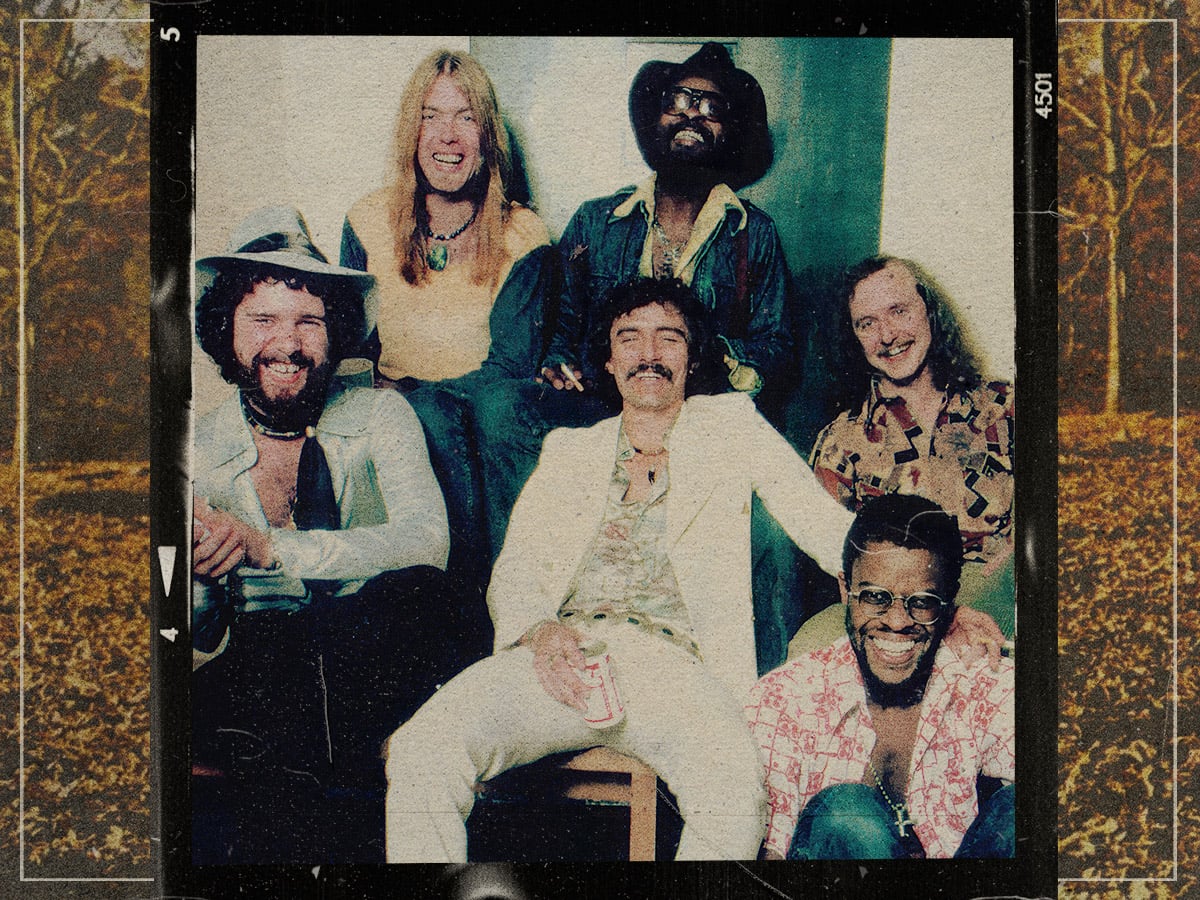
The entire list of great instrumentals could easily be filled with most of the jam band scene. As much as fans might have liked the recording of some of their favourite tunes, acts from The Grateful Dead to Cream were known to stretch their traditional singles out to mammoth proportions, often going for minutes on end jamming on the same progression. For every rock band that was going to jam for an hour, The Allman Brothers told a story with their instruments.
Compared to the usual instrumental bits of average jam sessions, ‘Jessica’ is one of the most lyrical guitar figures ever made, as Duane Allman and Dickey Betts trade lines like any singer would. Although Allman had been working with legends like Eric Clapton, he earned his keep as a legend in his own right, using his slide guitar to make the guitar sound like it was talking to the listener specifically.
When not listening to the duelling solos, every other instrument plays its individual hook, like the piano linking up with the main melody and the drums knowing when to push and pull the track to create that distinctive shuffle groove. For all of the great instrumentals about mindless solos, The Allmans made their Southern roots proud with this non-lyrical masterpiece.
One half of ‘Low’ – David Bowie
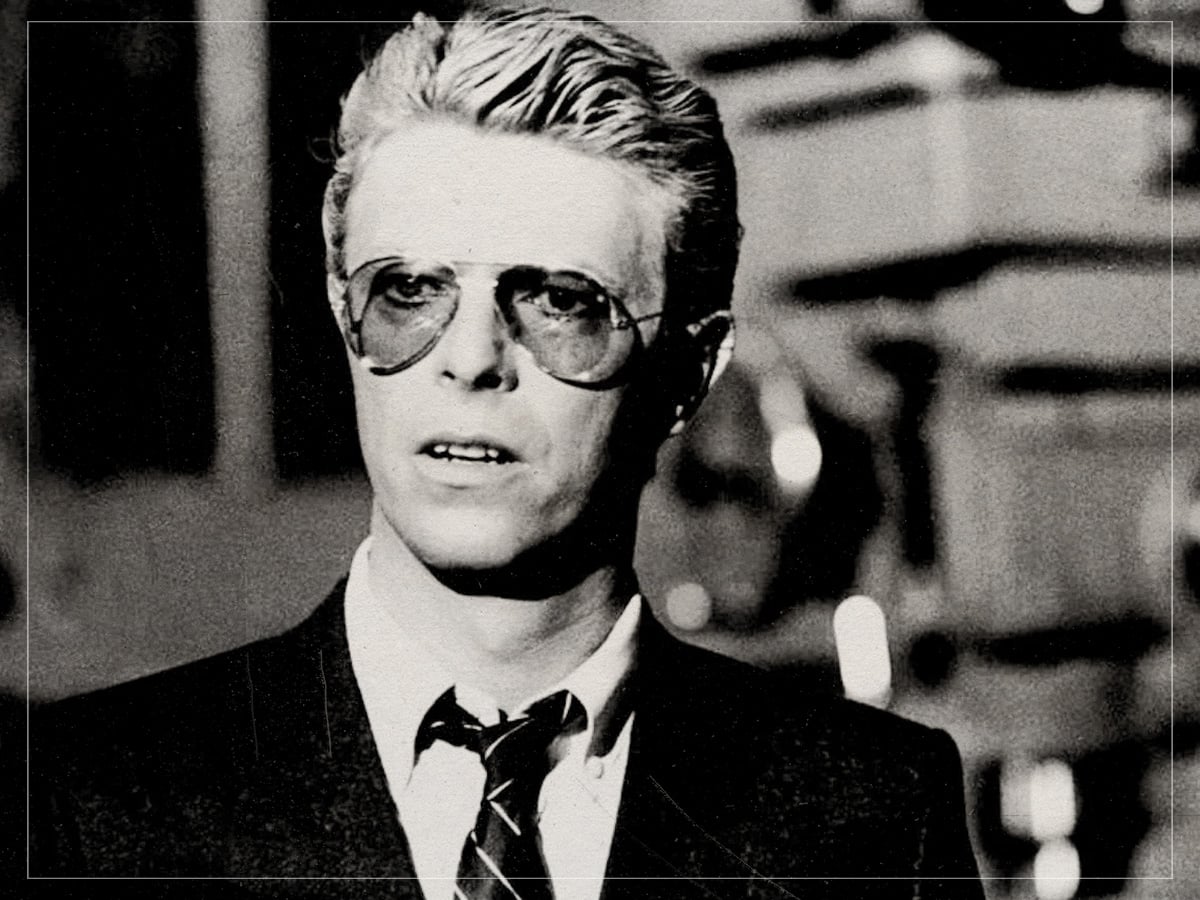
There is probably no other singer in rock and roll as identifiable as David Bowie. With his distinctive cadence, ‘The Starman’ could inhabit different characters within his own voice, adopting the sounds of ‘Aladdin Sane’ or ‘The Thin White Duke’ depending on which phase of his career he was in. Then again, Bowie was always about music more than the sound of his voice, and he all but disappears on Low.
While the front half of the record sees Bowie adopting the same strange eccentricities of his Berlin period, the second side is packed with instrumentals done by him and Brian Eno behind the scenes. Despite being unable to hear his singing, every piece of music is identifiably Bowie, from the strange sounds of ‘Subterraneans’ to the chilling atmosphere created on tracks like ‘Weeping Wall’.
Since this was kicking off his run of albums recorded in Berlin, it’s easy to spot Bowie’s influences as well, borrowing from Kraftwerk to create that assembly line structure of tunes while still maintaining his trademark Bowie-isms. After a decade in the business, Bowie was still innovating how everyone listens to music, and post-rock is still living in the shadow of every tune.
‘Session’ – Linkin Park
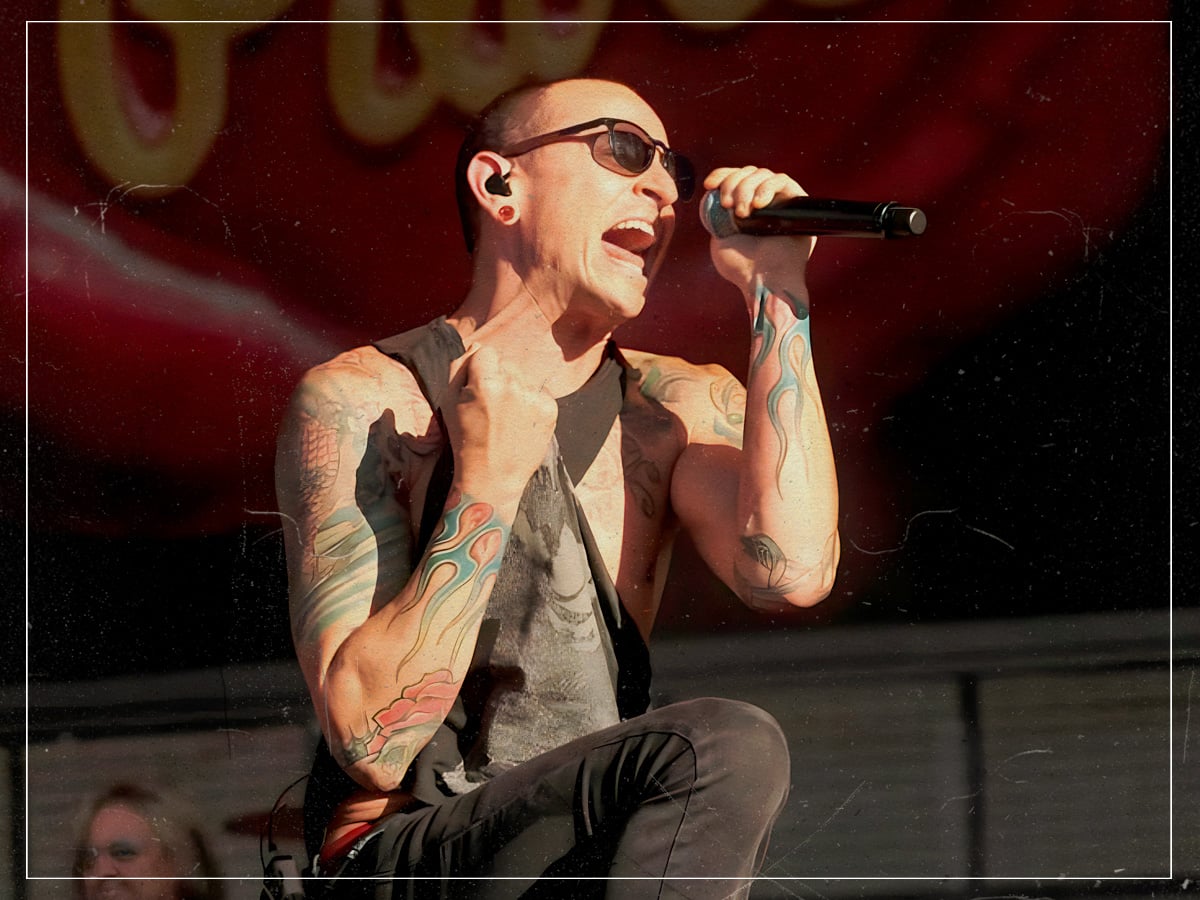
If there was one person who got a raw deal out of the nu-metal scene, it would have to be the DJ of every band. As opposed to the cool musicians brandishing guitars out front or even the frontman, standing behind the DJ booth would never fly with the rock crowd, especially those trying to look cool by playing old-school hip-hop beats. Joe Hahn was always thinking outside the box with Linkin Park, and what he did needed to be musical from the start.
While ‘Cure For the Itch’ off of Hybrid Theory works as a decent scratch track from Hahn, ‘Session’ is where he comes into his own as an auditory artist, putting different sounds of cellos together within glitchy soundscapes to create a sonic picture in the mind. By using just a few samples, there’s already momentum to the song, which Hahn makes even more exciting by speeding up and slowing down the beat to make the track sound like it will short-circuit at any moment.
Seeing how Linkin Park’s Meteora is about refusing to be kept down in the face of defeat, this is the sound of people on the ground floor looking up at this industrial city that has turned its back on them a long time ago. While there’s a clear time period stamped on the album because of the turntables alone, this is one of the best time capsules of the golden age of nu-metal.
‘Marwa Blues’ – George Harrison
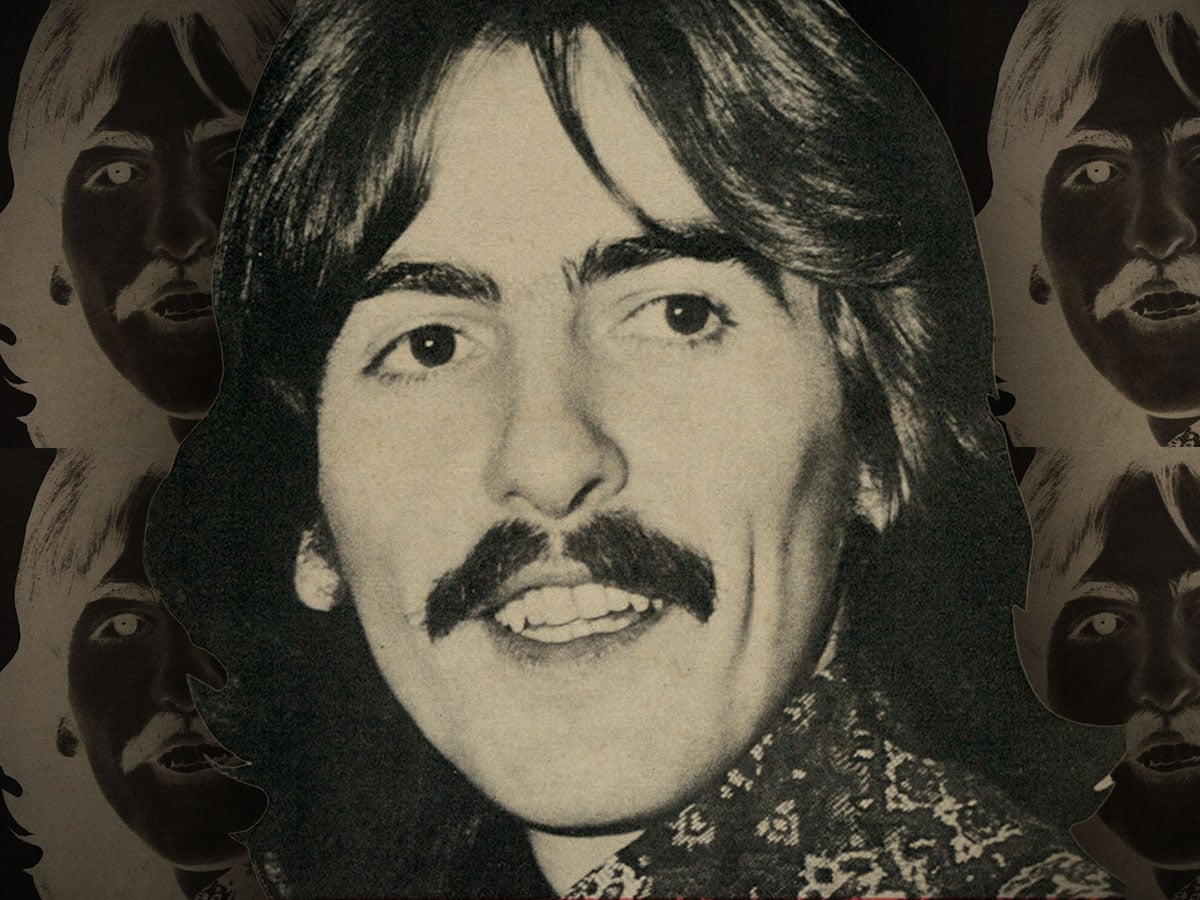
By the end of the ‘90s, George Harrison already knew his time on Earth was running short. After being stabbed by a crazed intruder at his home and a return of his lung cancer, ‘The Quiet Beatle’ decided to assemble the final pieces of his catalogue to create an album for fans to enjoy after he passed away. Although most of the album Brainwashed sounds like bits and pieces Harrison threw together, ‘Marwa Blues’ reads like a prayer without any words.
Adopted from a traditional Hindu song usually played at sunset, Harrison transfers the melody to his slide guitar, making every note cry out in pain. Since Harrison had a spiritual bent his entire life, the sounds of him playing this on what was to be his last album is the equivalent of him looking death in the face with little defiance.
Even with all of his faith coming full circle towards the end of his life, it’s fitting to see Harrison use his guitar to translate his feelings, being the instrument that brought him the lifestyle that had turned his world inside out. Just like he had alluded to all those years ago with The Beatles, Harrison does oblige in making his guitar gently weep.
‘The Call of Ktulu’ – Metallica

Metallica was never known to compose their songs like usual songwriters would. As opposed to sitting with a pencil and paper and trying to conjure up the right melody, James Hetfield and Lars Ulrich usually assembled different riff tapes until they found which ones worked with each other to create a song. Although Dave Mustaine had been kicked out by the time of Ride the Lightning, some of his leftover riffs were too good to fall by the wayside.
Starting with a haunting arpeggio, most of ‘The Call of Ktulu’ combines Hetfield’s grit and Mustaine’s initial sketches. Mustaine would eventually reuse some of the riffs in Megadeth as well, creating songs like ‘Hangar 18’ and ‘When’ from the original versions of the riffs he had. As far as this performance goes, most of the flash comes from Cliff Burton.
From front to back, Burton’s interpretations of Mustaine’s sketches sound like going down the pathway to Hell, especially towards the breakdown section, where Burton bends the life out of his strings depicting Ktulu rising from the ocean’s depths. While Metallica’s debut left something to be desired production-wise, this is where the thrash metal juggernauts finally found their footing.
‘Eruption’ – Van Halen

In the grand tradition of guitar heroes, Eddie Van Halen deserves to be in a class by himself. Although other guitarists may have revolutionised the instrument in ways no one had ever seen, Eddie’s touch on the guitar took rock and roll to new heights, being just as entertaining as any David Lee Roth scream or Alex Van Halen drum break. The rest of the band also knew what they had on their hands, based on the second song on their debut album.
After coming out of the head-trip of ‘Runnin’ With the Devil’, ‘Eruption’ is one of the greatest single guitar arrangements committed to tape, with Eddie Van Halen teaching a clinic on how to entertain an audience. Originally featured as a part of the stage show, most of the beginning of the solo is the equivalent of a cocaine-fueled blues player, playing some of the most furious 12 bar licks while incorporating hooks like the rapid-fire tremolo picking part towards the midsection.
Once the flashiness is out of the way, Eddie Van Halen lets the monster out of its cage, putting both hands on the fretboard and tapping out one of the most recognisable guitar pieces imaginable, eventually going through different scalar runs before finally putting the instrument out of its misery with a massive divebomb. Van Halen was always more than the sum of their parts, but Eddie is one of the only musicians whose flashy guitar playing is absolutely justified.
‘The Great Gig in the Sky’ – Pink Floyd

As prog rock was just starting to begin in England, Pink Floyd was on the verge of a musical breakthrough. Having already made one of their most ambitious masterpieces with ‘Echoes’, the next album saw Roger Waters exploring what makes the average person go insane. Although Dark Side of the Moon was supposed to be the main continuation of that theme spread across a vinyl record, ‘The Great Gig in the Sky’ captures that entire premise in just a few minutes.
After coming out of the song ‘Time’ with Waters’s warning about waiting too long to begin life, Richard Wright’s piano figure’s calming sounds bring us back down to Earth again before Clare Torre’s ethereal voice begins the main event. Although there is technically a voice on the track, Torre is using her vocal cords like an instrument, only making massive vocal runs after being told to think about death and the peril of the unknown.
As the drums crash in around her, Torre sounds like she’s undergoing an exorcism on the final take, almost like she’s being seen the afterlife for the first time and forcibly being pulled into the rapture. For all of the relatable tracks that have come and gone in rock music, ‘Great Gig’ is the closest that the genre has ever gotten to capturing an existential crisis on tape.
‘YYZ’ – Rush

Some of the best songs that Rush ever made generally aren’t given that accolade because of Geddy Lee’s vocals. No offence meant to the man, but it’s easy to get distracted by his infamous screaming voice when the instrumental sounds of the apocalypse are going on beneath him. Though any of their massive ten-minute+ instrumentals would do the trick, ‘YYZ’ is the closest they came to harnessing their jamming in a well-developed package.
Although earlier instrumentals like ‘La Villa Strangiato’ had complex parts and even storylines behind their different sections, Rush’s simple idea for this song was too perfect, just mimicking the sounds of the Morse code for the Toronto airport. While the sound indicates a homecoming for them, the final track recreates the hustle and bustle of being in an airport, being both playful and energetic for its four-minute runtime.
From its genesis as a bass and drum extravaganza, it took the rest of the band to turn it into something magical, from the lead bass and drum breaks to the Eastern tone-bending solo from Alex Lifeson, which makes it sound like the band has fully taken flight. While Rush always played the music that suited them at the moment, ‘YYZ’ is the purest version of what they can do as a power trio.
