


‘Ten Minutes Older’: Herz Frank’s inverted spectacle

The spectacle of art is often inevitably focused on the process of creation and its glorious result, fuelled by obsessions that have changed the course of human history. However, it’s impossible to measure artistic value without seeing a work’s impact on the people that encounter it and are transformed by it. That’s exactly what Latvian filmmaker Herz Frank attempted to capture in Ten Minutes Older, an unforgettable cinematic experiment.
Ten Minutes Older is rooted in the unique artistic frameworks of Riga’s Poetic School of Cinema, which had a huge impact on the structures of documentary filmmaking. Moving away from the lenses of rigid realism, the filmmakers working within this tradition believed that documentaries possessed artistic value in addition to informational value. It’s from that conviction that a strikingly original and mesmerising piece like Ten Minutes Older emerged.
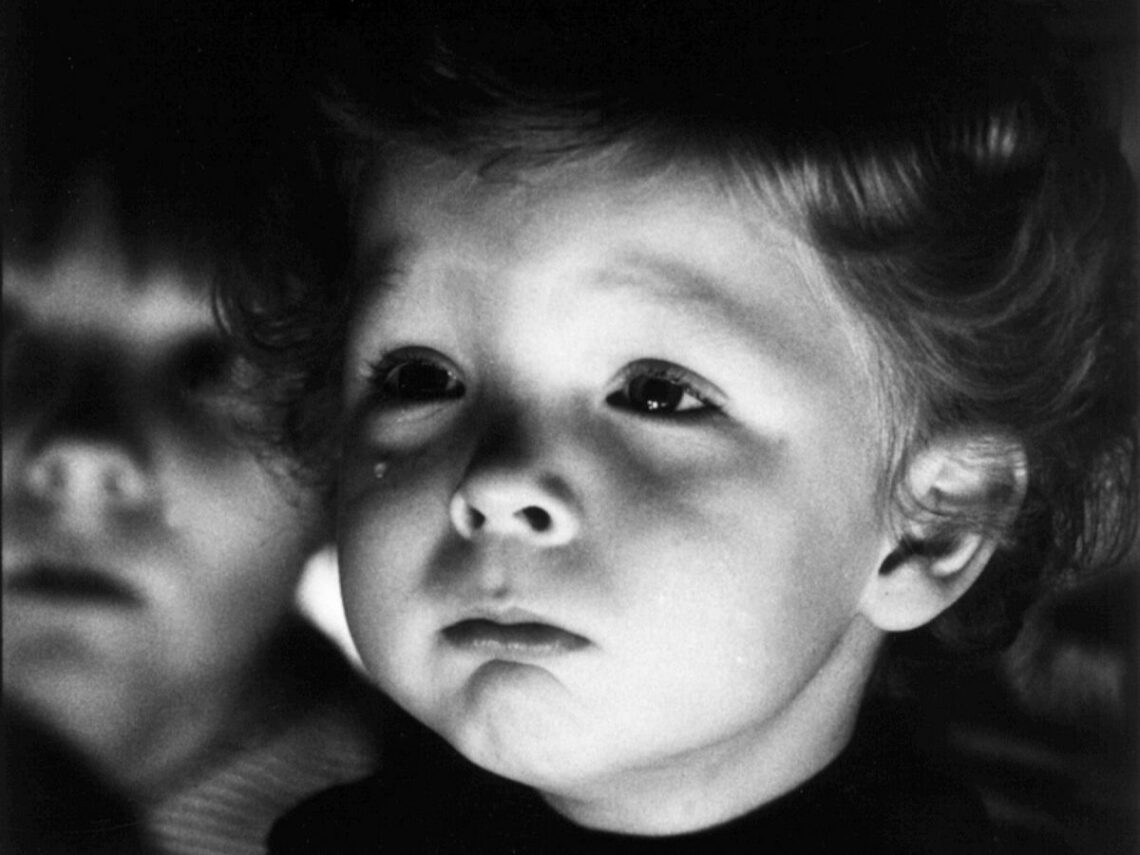
Relatively simple in conceptual terms, Frank’s 1978 project documents the incredible range of emotions that dance across the faces of children as they witness an unknowable production in a dark theatre. It’s impossible to tell what they’re watching, but it doesn’t matter because the landscape of human emotions painted on the children’s faces tells us everything we need to know. The relationship between art and the human condition is no longer an abstraction.
During a conversation with Takriv, Frank opened up about his approach to the project and explained how he wanted to prioritise the emotions on display. The filmmaker said: “I went to a theatre and saw a hundred children there, all watching a play. Of course, I could do reportage, how children watch a play. But I had a different goal in mind – I didn’t just come to see how they watch, I came to see what happens to their souls. And in that theatre, I didn’t create anything.”
Frank continued: “There was a play, a puppet show, and there were a hundred children. In one of those children, the one I observed for ten minutes in one shot, I found artistic value. I simultaneously convey information and create art. I observe a child’s face as he watches a play for ten minutes. Every genre of art deals with man and especially with his soul, what happens to his soul. It doesn’t really matter if he’s a doctor, an engineer or a labourer. To me, what matters is what he feels.”
This inversion of the artistic spectacle is fascinating for a number of reasons, inviting us to participate in a special experience that is simultaneously accessible and closed-off. Inverting the camera has become a very powerful way to engage with the limitations of the cinematic medium, famously being used in iconic projects like The End of Evangelion. But it’s rarely been more powerful than in Frank’s brilliant 1978 work.
Watch the film below.
