


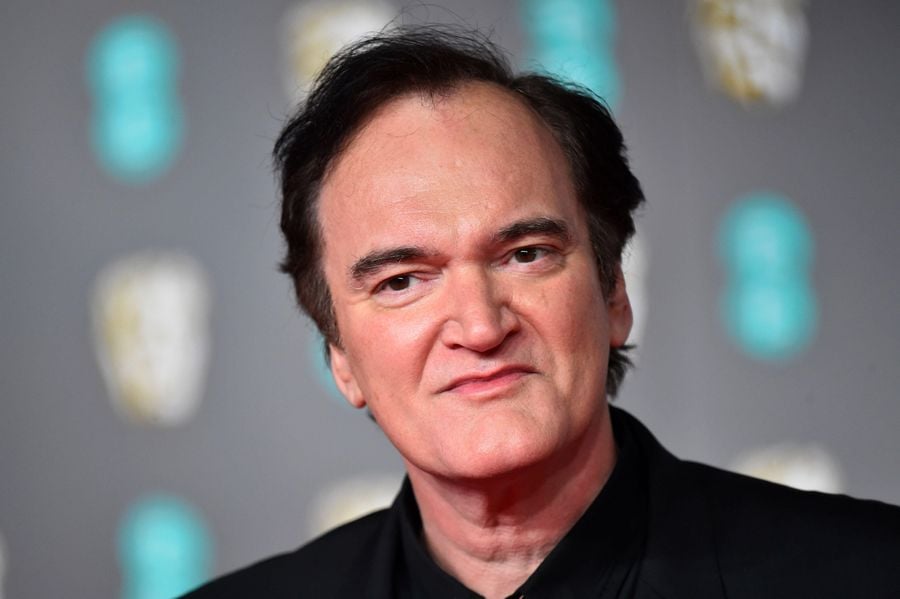
The technology Quentin Tarantino refuses to use

Quentin Tarantino is easily one of cinema’s most recognisable names, attracting mass audience appeal through his highly stylised, action-packed and witty movies. The director is a huge fan of setting his films in particular places and eras past, such as the Western The Hateful Eight or the late-1960s Once Upon a Time in Hollywood. By doing so, he gives his films a large appeal because of their ability to transport viewers to a specific world they’d never have otherwise experienced.
Because Tarantino is so preoccupied with the past, it is no surprise that the director has a strong aversion to modern technology. However, he is not the only filmmaker who has expressed a disinterest in technology. For example, French New Wave auteur Eric Rohmer refused to own a telephone and referred to cars as “immoral polluters”.
Timothy Olyphant, who appeared in Tarantino’s most recent film, Once Upon A Time In Hollywood, revealed in an interview that the filmmaker banned all use of phones on the film’s set. Olyphant said that Tarantino was very strict in enforcing his rule. He said: “None. You’re fired. Cellphone out? Done. No warning, nothing, you’re going home”. According to the actor, “If you needed to make a phone call, you go out onto the street, and you make a phone call”.
Another piece of technology that Tarantino finds himself better off without is email. The communication device that most of us log onto every day without a second thought is not interesting to the esteemed director. Brad Pitt revealed that Tarantino prefers not to communicate digitally. If you want to contact him, you must ring his landline and leave a message, which uses cassette tapes.
If you have something important to tell Tarantino and he’s not at home, he probably won’t find out for a while. In an interview with Ali Plumb on BBC Radio 1, Pitt was humorously asked if Tarantino communicates via telegram. However, the actor responded by saying, “basically”.
Tarantino also has a strong aversion to streaming services such as Netflix. He stated in a discussion with Tom Roston for his book I Lost it at The Video Store: A Filmmakers’ Oral History of a Vanished Era: “I am not excited about streaming at all. I like something hard and tangible in my hand. And I can’t watch a movie on a laptop. I don’t use Netflix at all. I don’t have any sort of delivery system”.
Instead, the filmmaker has a large physical collection of films: “I have the videos from Video Archives. They went out of business, and I bought their inventory. Probably close to eight thousand tapes and DVDs”. Alongside this, he often records films off the television to keep his “collection going”.
When Black Swan director Darren Aronofsky argued that we must accept that people are going to watch films on phones and use streaming services, Tarantino replied, “That’s the most depressing thing I’ve ever heard in my life”.
Finally, one of Tarantino’s biggest qualms with technology is the use of digital projection. Having shot all of his movies on film, the filmmaker has been quoted saying, “As far as I’m concerned, digital projection is the death of cinema”.
He went on a rant when Cannes Film Festival planned to screen Pulp Fiction digitally for its 20th anniversary. Tarantino responded: “The fact that most films aren’t presented in 35mm means that the world is lost. Digital projection is just television in cinema”.
He continued, “I’m hoping that while this generation is quite hopeless, that the next one will demand the real thing. I’m very hopeful that future generations will be much smarter than this generation and realise what they lost”.

Never Miss A Take
The Far Out Quentin Tarantino Newsletter
All the latest Quentin Tarantino content from the independent voice of culture.
Straight to your inbox.