


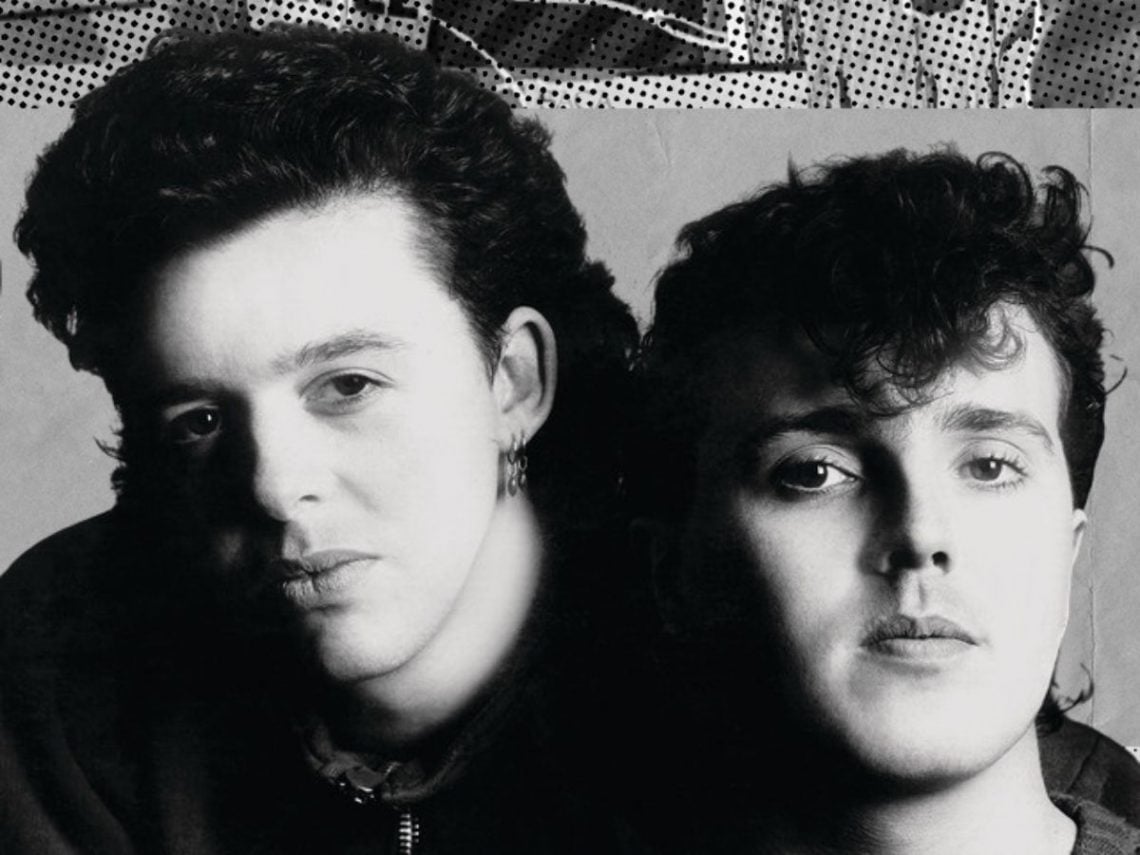
How a classic Tears for Fears song explored the science of dreams

Dreams are quite frequently the inspiration behind some of the best-ever written songs. Take Fleetwood Mac’s ‘The Green Manalishi’, for instance, which Peter Green wrote after a terrible dream about the dangers of wealth. One song that took note of the very nature of dreams was the iconic ‘Mad World’ by Tears for Fears.
‘Mad World’ is said to be about a young person with deep-seated feelings of depression at not feeling at one with the world. The empty-feeling lyric, “The dreams in which I’m dying are the best I’ve ever had”, may suggest that the narrator is considering suicide.
However, the writer of the lyrics, Roland Orzabal, claims that they were inspired by the work of psychologist Arthur Janov, who argued that our most intense and dramatic nocturnal imaginings are those that are able to release the most pressure from our waking lives.
Orzabal had written the song when he had been spending much time at home, while his girlfriend Caroline (who would later become his wife) was working three jobs so that Orzabel could pursue his career as a musician. “It’s a bizarre viewpoint to watch people go about their daily routine, having to work for a living when you’re sitting in a flat, unemployed,” Orzabel said. “That’s where it came from.”
He added: “It sounded pretty awful on guitar, though, with just me singing. However, we were fortunate enough to be given an opportunity by a guy called Ian Stanley to go to his very big house and muck about on his synthesizer. Ian became our keyboard player and he had a drum machine, too. All we needed was someone who knew how to work it. Eventually, we made the first demo of ‘Mad World’ still with me singing. But I didn’t like it. So I said to Curt: ‘Look, you sing it.’ And suddenly it sounded fabulous.”
The song explores how our dreams can release tension from the most troublesome parts of our lives and examine the feeling of alienation that began to tighten its grip on Western society in the second half of the 21st Century.
Orzabel also noted the influence of the band Dalek I Love You. He said: “One of their lyrics went something like, ‘I believe the world’s gone mad,’ which summed up my feelings of alienation from the rat race. I had suffered from depression in my childhood. My dad had been in the second world war, had electric shock treatment, suffered from anxiety and was abusive to my mum. I kept a lid on my feelings at school but, when I was 18, dropped out of everything and couldn’t even be bothered to get out of bed. I poured all this into the song.”
